Nuts for Salads Best Varieties and Pairings
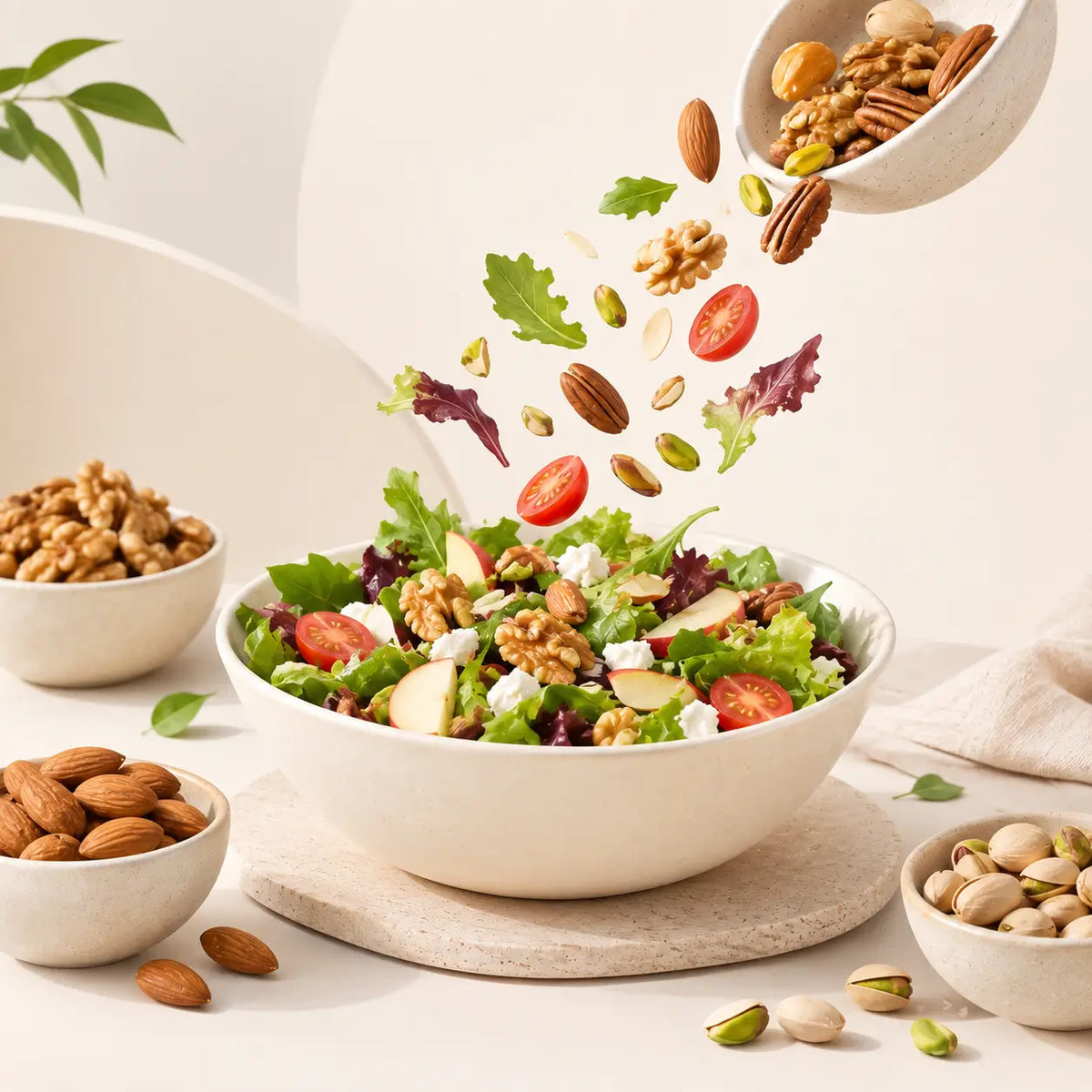
A handful of nuts can change how a salad tastes, feels, and satisfies your appetite. Choosing nuts for salads is not simply about adding crunch; each variety contributes a different balance of flavour, texture and nutrients. Walnuts have a gentle bitterness, pecans are naturally buttery, and almonds remain crisp beside moist ingredients. Even the dressing affects which variety works best. From adding walnuts in salad recipes to finding suitable almonds for salads, this guide covers practical pairings, sensible portions and quality choices available through Nutsoasis in the UK.
Best Nuts to Snack On for a Balanced Diet in UK
Why Adding Nuts to Salads Makes Such a Difference?
- A salad made mainly from leaves and chopped vegetables may not keep you satisfied for long. Nuts bring fat, fibre and protein into the meal, so it takes longer to digest and feels more substantial.
- There is another benefit that is easy to miss. According to research published in the American Journal of Clinical Nutrition, the natural fat in nuts helps the body absorb carotenoids from tomatoes, carrots and dark green leaves. These include lycopene, beta-carotene and lutein, all of which are fat-soluble and require some dietary fat to be absorbed properly.
- The type you choose matters. Walnuts offer alpha-linolenic acid, while almonds are particularly useful for vitamin E. Cashews provide copper, and pistachios bring vitamin B6 as well as potassium.
- Even good nuts for salads need sensible handling. Around 20–30 grams is usually plenty for one person; adding much more can quickly increase the meal's energy content.
- Plain, unsalted nuts are the most flexible option. You can season the salad yourself, avoid hidden sugar or excess salt, and still get plenty of flavour from fresh herbs, spices, or dressing.
Explore Our Pecan Collection
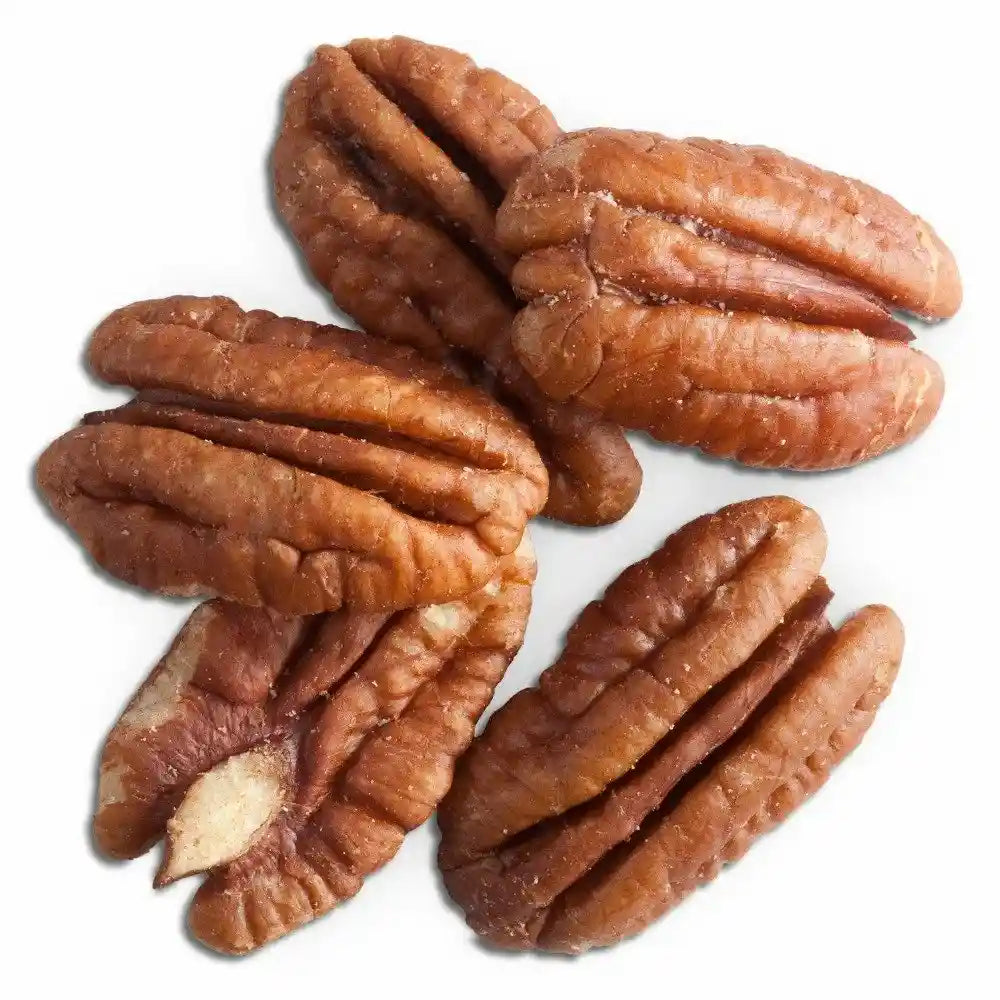
Discover our premium pecans, offering a naturally rich, buttery flavour and satisfying crunch. Perfect for snacking, baking, or adding a delicious nutty touch to your favourite recipes.
Shop PecansWhich Is Better: Raw vs Toasted Nuts for Salads?
| Point | Raw Nuts | Toasted Nuts |
|---|---|---|
| Flavour | Mild and clean. Better when the salad has fresh fruit, soft cheese, or a light dressing. | Deeper and nuttier. Better when the salad needs more warmth or a stronger finish. |
| Texture | Softer bite. Works well when you do not want the nuts to dominate the bowl. | Crisper bite. The dry surface helps the nuts hold their crunch after dressing is added. |
| Best salad match | Better for soft leaves, fruit-based salads and lighter dressings. | Better for grain bowls, cheese salads, roasted vegetables and richer dressings. |
| Preparation | Ready to use straight from the pack, but freshness still matters. | Use low heat, stir often, and let them cool before adding to the bowl. |
| Ingredients | Choose plain nuts if you want full control over salt, oil and seasoning. | Dry-toasted, unsalted nuts are simplest; oil-roasted or flavoured packs may add extra fat, salt or sugar. |
| Best choice | Choose raw when the salad is light, delicate or fruit-led. | Choose toasted when you want stronger flavour, aroma and lasting crunch. |
Raw nuts suit lighter salads, while toasted nuts give better crunch and aroma. For most salads, dry-toasted, unsalted nuts are the safest choice when you want flavour without extra oil, salt or sugar.
Omega-3 Rich Nuts Which Ones Have the Most ALA
What Are the Best Nuts for Salads?
- There is no single winner when choosing nuts for salads. The right option depends on whether the dish is delicate, creamy, fruity or built around roasted vegetables.
- Walnuts work well with beetroot, pear, blue cheese and bitter leaves. Their earthy edge stops sweeter ingredients from making the bowl taste flat.
- Almonds have a cleaner flavour and firm crunch. Sliced or flaked almonds suit couscous, salads and chicken without dominating the dressing.
- Pecans are softer and sweeter, making them useful with apple, squash or goat's cheese. Pistachios bring colour and a savoury note to citrus or grain salads.
- For creamy dishes, cashews are gentle enough to blend in. They are among the best nuts for chicken salad when you want crunch without the bitterness of walnuts.
- The best nut for salad should support the other ingredients rather than compete with them. Start with one variety, taste the combination, then adjust the cut or quantity before adding anything else.
Explore Our Walnuts Collection
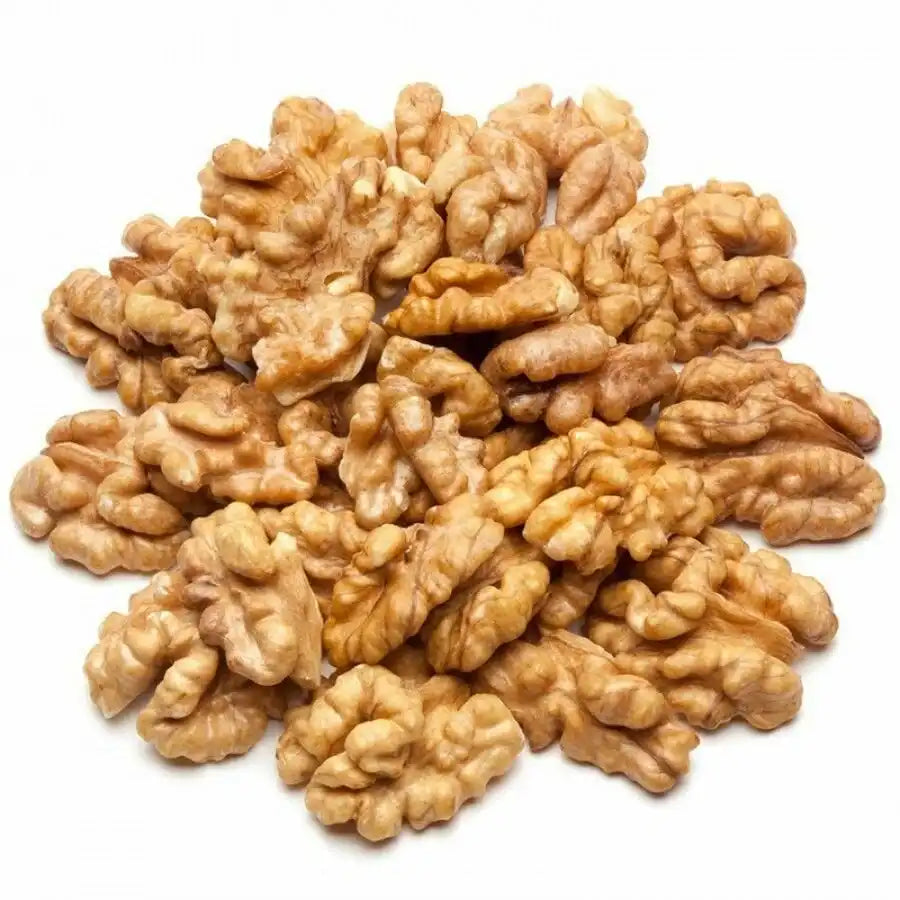
Discover our premium walnuts, known for their rich, distinctive flavour and satisfying texture. Enjoy them as a wholesome snack or add them to your favourite recipes for a delicious nutty crunch.
Shop WalnutsHow Can Walnuts Be the Best Salad Nut?
- Walnuts are particularly useful as nuts for salads because their slight bitterness balances sweeter ingredients such as fruit, beetroot, and squash.
- They are unusual among nuts because they contain a meaningful amount of alpha-linolenic acid, or ALA, the plant form of omega-3. It is not the same as the EPA and DHA found in oily fish, but it still contributes to a balanced diet.
- Using walnuts in salad is easier when the pieces are uneven rather than finely crushed. Larger fragments stay crisp; smaller ones catch the dressing and spread their flavour.
- The skin is edible and contains polyphenols, although it can taste bitter. If that bitterness is too strong, pair the walnuts with apple, pear or a yoghurt-based dressing.
- A candied walnut salad needs restraint. Add less sweetener and choose an acidic dressing so the bowl does not become dessert-like.
- Walnuts spoil faster than many nuts. Keep packs airtight in the fridge, and discard kernels that smell like old paint.
Best Nuts for Selenium Brazil Nuts Portions and Safety
What Are the Uses of Almonds in Salad?
- Flaked almonds are easy to use as nuts for salads because they spread evenly through the bowl. Their thin shape adds crunch without making each mouthful difficult to chew.
- Slivered almonds hold up better beside couscous, quinoa or shredded vegetables. Roughly chopped almonds are a better match for substantial chicken or roasted vegetable salads.
- Keeping the brown skin adds fibre and a slightly earthy taste. Blanched almonds are milder, so they work well when herbs, citrus or a delicate dressing should remain noticeable.
- Almonds provide vitamin E, magnesium and some plant protein. They are nutritious, but still energy-dense, so a small handful is enough for one serving.
- Candied almonds for salad can balance bitter leaves or sharp goat's cheese. Treat them as a sweet accent rather than the main topping, and avoid adding dried fruit or a sugary dressing at the same time.
- Add almonds shortly before serving. This protects their crunch, particularly in salads containing juicy tomatoes, warm vegetables, or plenty of dressing.
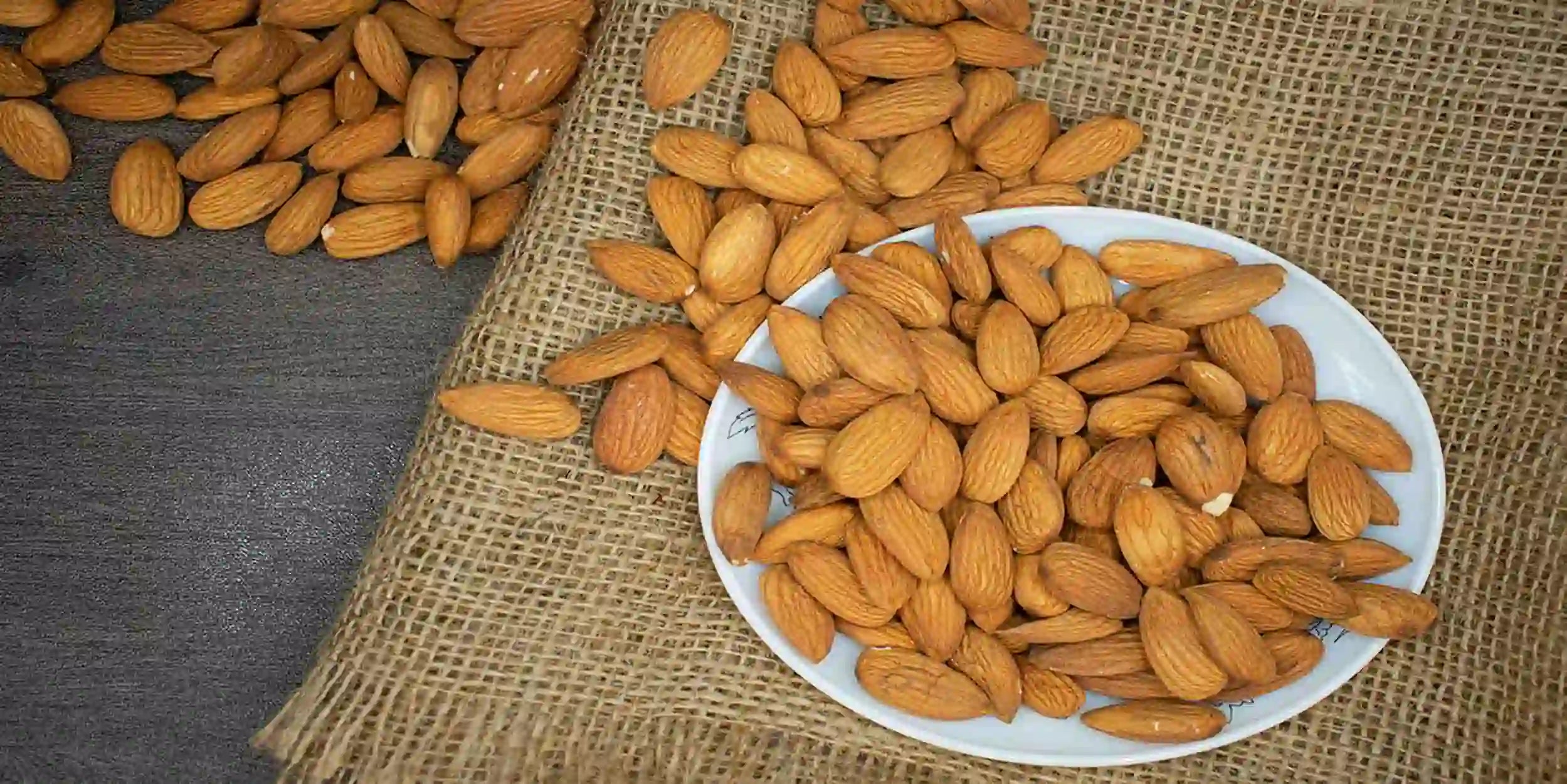
Explore Our Almond Collection
Discover our premium selection of almonds, available in a variety of delicious options to suit every taste. Perfect for everyday snacking, baking, or adding a satisfying crunch to your favourite recipes.
Shop AlmondsHow Can You Use Pecans in Salad?
- Pecans work well as nuts for salads; they have a sweetness and soft crunch, so they fit salads containing apple, pear, grapes, roasted squash or mild cheese without overpowering ingredients.
- Nutritionally, they supply mostly unsaturated fat, along with fibre, copper and manganese. They are energy-dense, so 20–30 grams is enough for a meal-sized salad.
- Halves look attractive but can be awkward to eat with a fork. Breaking one into two or three pieces distributes the flavour and makes the salad easier to handle.
- Glazing pecans for salads does not require a thick sugar coating. A small amount of maple syrup or honey, warmed with the nuts, can give a light finish. Let them cool before adding them.
- Because glazed pecans already bring sweetness, pair them with peppery leaves, vinegar, citrus or a salty cheese. Skip sweet dressings and sweetened dried fruit.
- For a savoury version, use paprika, cumin or black pepper. Add pecans last, particularly when the salad includes warm vegetables or dressing, so they do not soften too much before serving.
Nuts for Brain Function That Support Memory and Focus
How Can You Use Pistachios in Salad?
- Pistachios bring colour and a slightly sweet flavour. They are useful in salads with orange, pomegranate, fennel, mint, beetroot or grains, including bulgur.
- They provide protein, fibre, vitamin B6, potassium, lutein and zeaxanthin. Pistachios also provide copper, a mineral involved in normal energy metabolism.
- Choose unsalted kernels when the salad already contains feta, halloumi, olives or cured meat. Salted pistachios can push the sodium level up quickly and may hide the fresher flavours.
- Roughly chopping the kernels is usually better than grinding them. Small pieces cling to dressed leaves, while a little variation in size keeps the texture interesting.
- Pistachios do not need a sugary coating to work with fruit. Compared with candied nuts for salad, plain kernels leave you in control of added sugar and allow ripe fruit to provide the sweetness.
- Add them just before the dish reaches the table. Their green colour and crisp bite are best preserved when they are kept away from moisture, heat and direct light until needed.
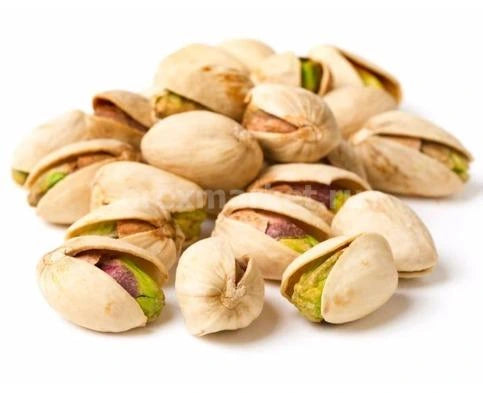
Explore Our Pistachios Collection
Discover our premium pistachios, carefully selected for their delicious flavour, satisfying crunch, and versatile appeal. Perfect for snacking, sharing, baking, or adding a delicious nutty touch to your favourite recipes.
Shop PistachiosHow Can You Use Peanuts in Salad?
- Although botanically legumes, peanuts can be used as nuts for salads, adding crunch, richness and a more filling element to the dish.
- They supply protein, fibre, niacin, folate and magnesium. Most of their fat is unsaturated, although flavoured or oil-roasted products may bring extra salt, sugar or added oil.
- Using peanuts in salad works well with cabbage, carrots, cucumber, spring onions, coriander and lime. These ingredients can handle their flavour without being lost beside it.
- Choose dry-roasted, unsalted peanuts. Chop them roughly rather than crushing them into powder; recognisable pieces stay crisp and are easier to spread evenly through the bowl.
- A dressing made with lime juice, rice vinegar or chilli cuts through their richness. If peanut butter is already used in the dressing, reduce the quantity of peanuts to keep the salad balanced.
- Peanut allergy can be severe. If the dish is being shared, label it clearly, use separate utensils, and never assume that removing visible pieces makes the salad safe.
Nuts for Hair Growth Which Types Work and How to Eat
When to Use Cashews and Hazelnuts?
- Cashews are the quieter choice. Their mild, creamy taste suits chicken, cabbage, cucumber, mango and yoghurt-based dressings, especially when ingredients need room to come through.
- They provide plant protein, copper and magnesium. Choose dry-roasted or plain kernels rather than salted or flavoured packs, since cashews absorb seasoning easily.
- Hazelnuts have a deeper, toastier character. Use them with beetroot, mushrooms, apple, pear, rocket or roasted vegetables. Their firm bite stands up to warm ingredients and stronger vinaigrettes.
- Hazelnuts are a useful source of vitamin E and mostly unsaturated fat. The brown skin is edible and adds fibre, though some of it may loosen after toasting.
- Neither nut works well left whole in a leafy salad. Roughly chop cashews; slice or crush hazelnuts so they can be picked up with a fork.
- The best nut for salad depends on the flavour you need: cashews soften sharp or spicy combinations, while hazelnuts add depth to earthy ones. For both, begin with a handful and adjust only after tasting.
Best Holiday Nuts for Sharing Gifting and Festive Bowls
Which Seeds Can Be Added with Nuts in Salads?
- Pumpkin seeds work when you want a firm bite. They bring magnesium, zinc and unsaturated fat, and they work well with grains, roasted vegetables and crumbly cheese.
- Sunflower seeds are smaller and milder. Scatter them through leafy salads or coleslaw when nut pieces would feel too heavy. They provide vitamin E.
- Sesame seeds suit dressings made with soy, ginger, lemon or tahini. Toasting them strengthens their flavour, but watch closely because they burn quickly.
- Chia and ground flaxseed behave differently. They absorb moisture rather than staying crisp, so use a little and mix them into the dressing instead of treating them as a crunchy topping.
- A balanced mix of nuts and seeds for salads does not need every variety at once. One nut and one seed usually give enough contrast while keeping the portion sensible.
- Sesame is a recognised allergen, and other seeds can also cause reactions. When serving someone else, check first, keep packaging available, and avoid using the same spoon across different toppings.

Explore Our Seeds Collection
Discover our premium selection of seeds, offering a delicious combination of natural flavour and satisfying texture. Perfect for snacking, baking, or adding a nutritious crunch to your favourite meals and recipes.
Shop SeedsHow to Match Nuts to Your Salad Dressing?
- Match nuts for salads to the main flavour in the bowl. Walnuts and hazelnuts need acidity to avoid heaviness, so balsamic vinegar, cider vinegar or lemon works well.
- Almonds and pistachios are milder. Pair them with citrus, herbs or a yoghurt dressing; a powerful mustard or smoky sauce can hide their flavour.
- Peanuts suit lime, rice vinegar, ginger and soy sauce. Check the label before adding salt, as soy sauce and seasoned peanuts may provide plenty.
- Cashews work with creamy or lightly spiced dressings. If the dressing contains yoghurt, tahini or nut butter, keep the portion modest because both elements add richness.
- When using candied nuts for salad, leave honey, maple syrup and sweet chutneys out of the dressing. Sharp vinegar or lemon gives a cleaner balance.
- Dress the leaves first, then scatter the nuts over the top. This gives you control of the amount and prevents them from soaking up liquid. Taste before serving: the dressing should brighten the nuts, not compete with them.
Sunflower Seeds vs Pumpkin Seeds Nutrition Compared
How Much Nut to Add to a Salad?
- For one person, 20–30 grams is a starting point. That is a small handful, although weighing the portion gives a clearer idea than relying on hand size.
- A side salad may need one tablespoon of chopped nuts. A meal-sized bowl can take 30 grams, particularly when the nuts are replacing croutons or protein.
- Count every rich topping, not just the nuts. If the salad contains seeds, avocado, cheese, olives or an oily dressing, use a smaller nut portion rather than full portions of everything.
- Chopping good nuts for salads helps a smaller portion spread evenly through the bowl. Pieces spread evenly across the bowl, so you are less likely to keep adding more because some mouthfuls have none.
- Sweetened, salted, or oil-roasted varieties deserve extra attention. Measure them before sprinkling, as eating directly from the packet makes quantity hard to judge.
- Adjust for appetite and the rest of the meal. The aim is to make the salad satisfying, not to bury the vegetables under a thick layer of nuts.
The Best Workout Nuts for Your Gym Bag
What Is the Best Store to Buy Raw or Toasted Nuts in the UK?
- NutsOasis is a UK option because its range includes raw and roasted varieties, with almonds, walnuts, pecans, pistachios, cashews and hazelnuts.
- For salads, begin with plain or unsalted products. They leave you free to control the salt, sugar and oil through the dressing rather than accepting extra seasoning from the packet.
- When buying almonds for salads, choose the cut according to use. Whole kernels can be chopped at home, while smaller pieces are easier to scatter but may lose freshness sooner after opening.
- Read the ingredient list even when the front says roasted. Dry-roasted nuts and oil-roasted nuts are not the same, and flavoured versions may contain added sugar, salt or allergens.
- NutsOasis offers several pack sizes, which helps when testing a variety before committing to a larger quantity. Buy only what you can store.
- Once opened, keep the pack sealed away from heat and light. Before serving, check for a stale, bitter, or paint-like smell, as this can indicate that the oils have deteriorated.
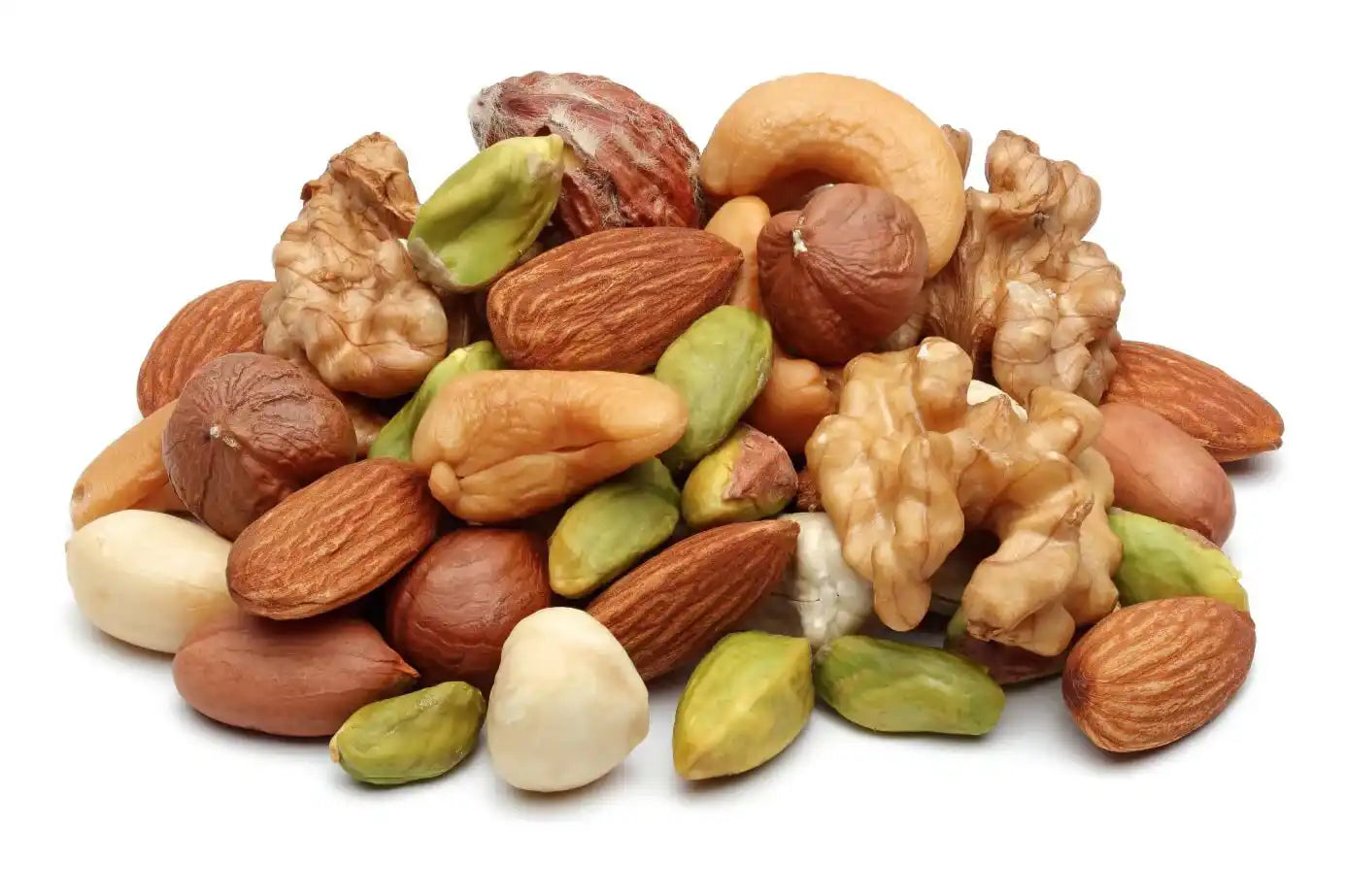
Explore Our Nuts Collection
Discover our selection of premium nuts, carefully chosen for their delicious flavour, satisfying crunch, and quality. From everyday favourites to indulgent varieties, find the perfect nuts for snacking, sharing, or adding to your favourite recipes.
Shop NutsConclusion
There is no single choice that suits every salad. The best nuts for salads depend on the other ingredients, the dressing and the texture you want in each bite. Plain or lightly toasted varieties give you more control over salt and sugar, while chopping them helps a sensible portion spread through the whole bowl. Start with a small amount, taste the salad once it is dressed, and add more only if it genuinely needs it. With the right pairing, nuts can make a simple salad more satisfying without covering up the freshness of the vegetables.
Best Luxury Nuts UK for Premium Snacking
FAQS
Do nuts need to be soaked before adding them to salad?
No, soaking is optional, and most people do not need to soak nuts before eating them. If you choose to soak them, drain and dry them thoroughly before adding them to a salad.
Are plain nuts naturally gluten-free?
Unseasoned nuts do not naturally contain gluten. Flavoured products may include additional ingredients or be processed where gluten is handled, so anyone with coeliac disease should check the label carefully.
How should nuts be packed for a lunch salad?
Keep nuts for salads in a small separate container and add them just before eating. This is particularly helpful when the salad will sit in a lunch bag for several hours.
Can ground nuts be added to salad?
Yes, but they act more like a coating than a crunchy topping. A light sprinkle can cling to vegetables or thicken dressing, while too much may make the salad feel dry.