Nuts for Brain Function That Support Memory and Focus
Nuts for brain function can make everyday eating feel smarter without turning food into a medical promise. The brain needs steady fuel, good fats, minerals, and a routine that supports focus, memory, and energy through the day. Walnuts bring alpha linolenic acid, while almonds, pistachios, and cashews add magnesium, texture, and useful nutrients for brain function. With Nutsoasis, it is easy to choose plain, quality nuts for breakfast bowls, work snacks, study breaks, and simple weekly meal planning without making the habit feel complicated.
Which Nuts Are Best for Brain Function?
| Nut | Why It Helps Brain-Focused Eating |
|---|---|
| Walnuts | The strongest starting point because they contain alpha linolenic acid, a plant omega-3 linked with wider omega 3 fatty acids brain health discussions. |
| Almonds | Useful for everyday focus because they provide vitamin E, magnesium and fibre, so the snack feels steadier than something sweet. |
| Pistachios | Helpful for studying or desk snacking because their shells slow eating and make the portion easier to notice. |
| Cashews | Add magnesium and a creamy texture, so they are useful when you want more than a dry snack. |
| Hazelnuts | Bring vitamin E and a naturally sweet taste, which makes them useful without relying on sugary toppings. |
For nuts for brain function, there is no single magic nut. A plain mixed routine gives a wider spread of nutrients for brain function.
Macadamia and Hazelnut Same? Discover the Key Differences
Are Walnuts Good for Memory?
- Yes, walnuts may support memory and cognitive function as part of a balanced diet. A 2025 University of Reading study found that healthy young adults who ate 50g of walnuts at breakfast showed better memory performance and faster reaction times later in the day than those eating a calorie-matched breakfast without nuts. Researchers noted that further research is needed.
- The reason walnuts get attention is alpha linolenic acid, a plant omega-3 fat. It is not the same as fish oil, but it gives walnuts a stronger brain-food angle than many snack nuts.
- They also bring polyphenols, vitamin E, copper and magnesium, so they fit well inside a brain food nuts routine rather than a last-minute exam-week fix.
- In real life, nuts for brain function work best in meals you will actually repeat: oats before work, yoghurt after school, salad at lunch or a small pot beside the laptop.
- Walnuts will not rescue poor sleep, dehydration or long gaps between meals. Memory still depends on the whole routine.
- Choose plain walnuts, keep the portion modest, and avoid turning a useful nut into a sugary or salty snack.
Walnut What Is It Good For Discover Its Top Benefits
Do Pistachios Improve Focus?
- Yes, but they don't boost focus as much as caffeine or a focus pill. Pistachios help more by making the snack around work or study less sugary and more steady.
- Their strength is the mix: fibre, some protein, unsaturated fats, vitamin B6, potassium and magnesium. That combination can keep a snack feeling satisfying instead of giving a quick sweet hit.
- For people who graze while revising, in-shell pistachios have a small advantage. Shelling them slows the pace, leaves a visible pile and makes portion creep easier to spot.
- This is where nuts for brain function should stay practical: pistachios support routine, not instant concentration.
- They also fit nicely with brain food nuts such as walnuts and almonds, giving crunch and colour without needing chocolate coatings.

Explore Our Pistachios Collection
Discover our premium Pistachios, selected for their rich flavour, satisfying crunch, and excellent quality. Perfect for snacking, sharing, baking, or adding a delicious nutty touch to your favourite recipes.
Shop PistachiosHow Many Nuts Should I Eat for Brain Health?
- A sensible amount is about 30g of nuts a day, roughly a small handful. That is enough to add useful fats, fibre and minerals without turning the snack into a heavy calorie load.
- For nuts for brain function, variety matters more than chasing a large portion. A mix of walnuts, almonds, pistachios and cashews gives wider nutrients for brain function than eating one nut every day.
- Do not make the full handful only walnuts. They are useful, but a mixed portion gives a better balance of crunch, taste, magnesium and healthy fats.
- Choose plain, unsalted nuts most days. Salted or sweet-coated packs can make a smart snack feel more like a treat.
Healthiest Nut for You Cashews Hazelnuts and Pecans
Can Nuts Improve Concentration?
- Yes, nuts may support concentration indirectly, but they do not act like a stimulant or give an instant mental lift.
- Concentration often drops when meals are skipped, breakfast is weak, or snacks are mostly sugar. A small nut portion can make eating steadier because it brings fibre, fats and some plant protein.
- For nuts for brain function, the useful point is food balance. Nuts can sit beside fruit, yoghurt, oats or wholegrain toast to make a snack feel more complete.
- Magnesium brain function discussions often include nuts because almonds, cashews and pistachios contain magnesium, but one mineral alone will not fix poor sleep or stress.
- Walnuts add a different angle because they contain alpha linolenic acid, a plant omega-3 linked with wider omega 3 for brain health research.
- The best result comes from routine: regular meals, enough fluids, sleep, movement, and plain nuts used as part of daily food, not as a concentration cure.
Benefits of Nuts for Heart, Weight, and Daily Snacking
Are Almonds Good for the Brain?
- Yes, almonds can support brain-friendly nutrition, but they should be seen as part of daily food quality, not as a direct memory or focus treatment.
- Their strongest point is vitamin E, an antioxidant nutrient. For the brain, this matters because antioxidant-rich foods help support the body's normal protection systems.
- Almonds also contain magnesium, which is why they fit naturally into magnesium brain function discussions. Magnesium is involved in normal nerve and muscle function, but one snack cannot fix poor sleep or stress.
- They bring fibre and some plant protein too, so they can make breakfast or a study snack feel steadier than a sweet pastry or chocolate bar.
- For nuts for brain function, almonds work best beside other foods: oats, yoghurt, fruit, wholegrain toast or a balanced lunch.
- They are useful, but not complete. The brain still needs regular meals, hydration, sleep and varied nutrients for brain function across the whole day.
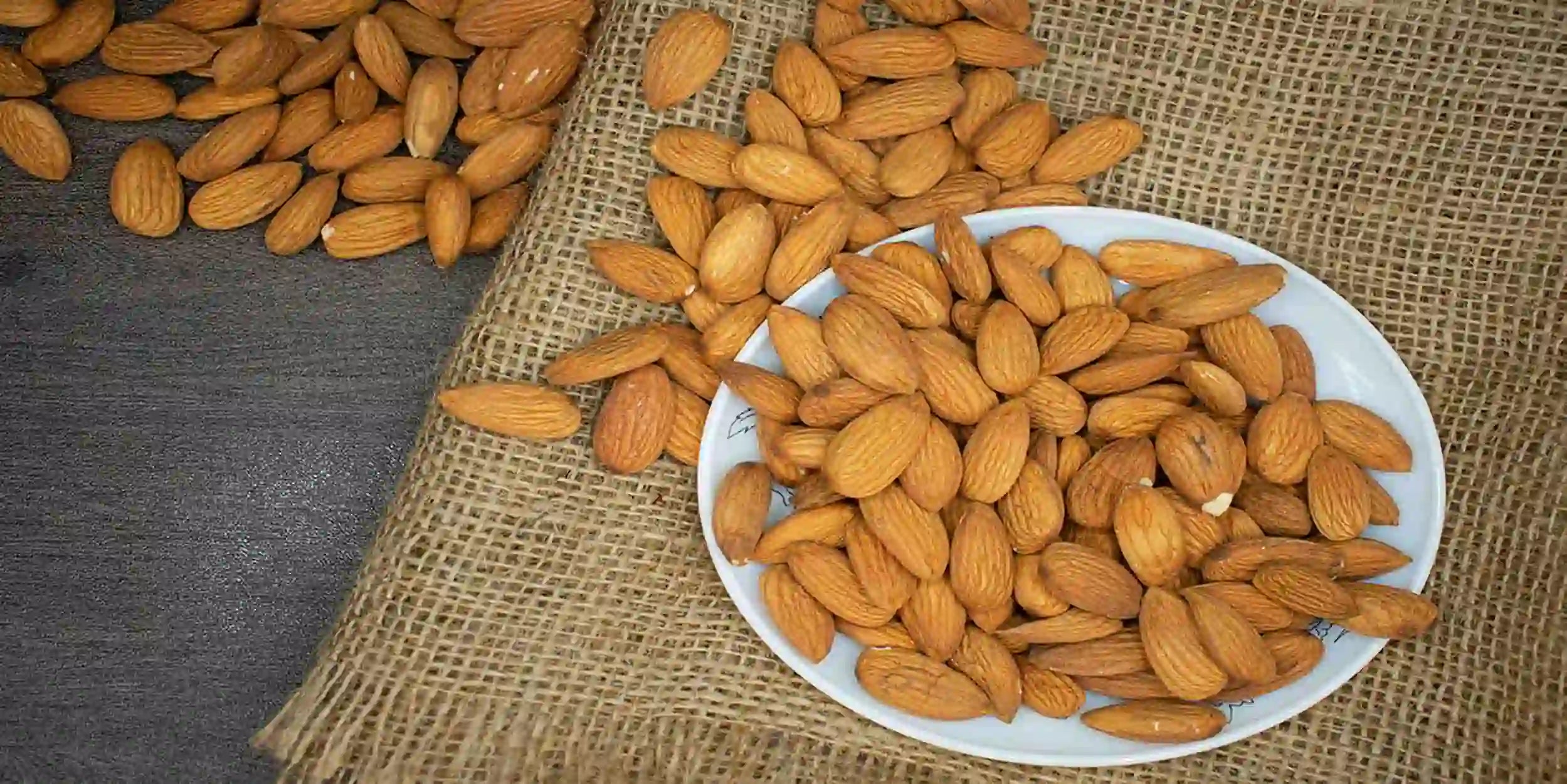
Explore Our Almond Collection
Discover our premium selection of almonds, offering a naturally delicious flavour and satisfying crunch. Perfect for wholesome snacking, baking, cooking, or adding a nutritious touch to your everyday diet.
Shop AlmondsDo Walnuts Contain Omega 3?
- Yes, walnuts do contain omega-3, but the type matters. They provide alpha linolenic acid, usually shortened to ALA.
- ALA is a plant-based omega-3. It is different from EPA and DHA, the long-chain omega-3 fats found mainly in oily fish and some algae-based foods.
- This is why walnuts are often discussed in omega 3 for brain health, but they should not be described as the same as salmon, sardines, or mackerel.
- The body can convert some ALA into EPA and DHA, but this conversion is limited, so walnuts are best seen as one useful plant source, not a full replacement for every omega-3 food.
- For nuts for brain function, walnuts stand out because many common nuts contain little ALA compared with them.
- They also bring fibre, minerals and polyphenols, which makes them one of the more complete brain food nuts inside a balanced diet.
walnuts purchase online UK The Complete Buying Guide
Can Eating Nuts Prevent Dementia?
- No, eating nuts cannot prevent dementia on its own. Dementia risk is shaped by age, genetics, blood pressure, diabetes, smoking, activity level, hearing, sleep, and the whole diet.
- Nuts may still belong in a brain-supportive eating pattern because they provide unsaturated fats, fibre, minerals, and plant compounds that fit well with healthier long-term food choices.
- Research has found that consuming 70g or more of nuts per week was associated with a 17% lower risk of cognitive impairment.
- For nuts for brain function, the honest point is risk support, not disease prevention. A handful of nuts cannot cancel poor sleep, smoking, heavy alcohol intake, or uncontrolled blood pressure.
- Walnuts are often discussed because of alpha linolenic acid, while almonds and pistachios add magnesium, vitamin E, and other nutrients for brain function.
- The strongest diet picture is usually wider than nuts: vegetables, fruit, pulses, wholegrains, oily fish or suitable alternatives, and less saturated fat, salt, and added sugar.
- Think of nuts as one part of foods for memory, not a shield against dementia.
Almond Nuts Nutritional Information for Better Health
Are Nuts Good for Students and Studying?
- Yes, nuts can be a good study snack, especially when revision days are long and meals become rushed or uneven.
- Their value comes from steady nutrition. Nuts bring fibre, natural fats and some plant protein, so they are less likely to feel like a quick sugar hit.
- For nuts for brain function, students should think about routine first: breakfast, lunch, water, sleep and planned snacks all matter before exam performance.
- Walnuts sit well among brain food nuts because of alpha linolenic acid, while almonds and cashews add magnesium and other nutrients for brain function.
- Nuts will not fix poor sleep, panic revision, or too much caffeine. They simply make the food side of studying more stable.
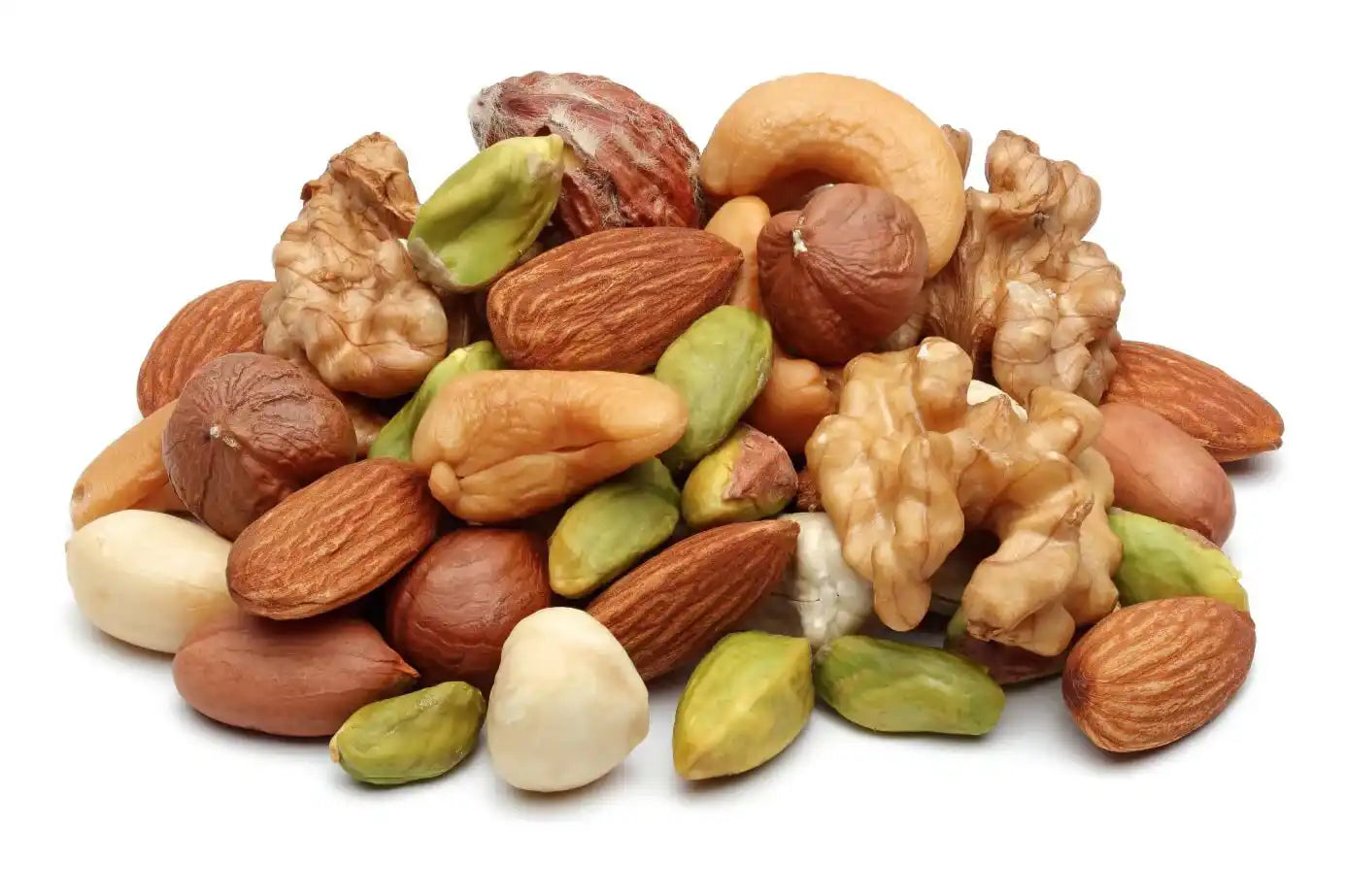
Explore Our Nuts Collection
Discover our premium selection of nuts, featuring a variety of delicious flavours and textures. Perfect for everyday snacking, sharing with family and friends, or adding a satisfying crunch to your favourite recipes.
Shop NutsIs a 30-Gram Serving of Nuts Enough for Brain Health?
- Yes, 30g is enough as a sensible nut serving, but not enough to cover every nutrient the brain needs.
- Think of it as one useful piece of the day. A small handful can add healthy fats, fibre, minerals and plant compounds without pushing the snack too heavy.
- The quality of the 30g matters. Walnuts bring alpha linolenic acid, almonds add vitamin E and magnesium, while pistachios and cashews add their own mix of minerals.
- For nuts for brain function, a mixed 30g portion gives wider nutrients for brain function than repeating only one nut.
- It still cannot replace proper meals. The brain also needs carbohydrates from quality foods, enough protein, fluids, fruit, vegetables, and steady energy across the day.
- For best nuts for brain health, keep the serving plain and unsalted, then treat it as daily support, not the whole brain-health plan.
difference between raw and roasted nuts Unveiling the Taste Gap
Are Raw Nuts Better Than Roasted Nuts for the Brain?
- No, raw nuts are not automatically better for the brain. A plain roasted almond can be a better choice than a raw nut mix with sugar, salt or chocolate pieces added.
- Raw nuts are useful when you want a short ingredient list and a softer taste. They suit oats, yoghurt, smoothies and homemade breakfast mixes.
- Dry-roasted nuts can still fit into nuts for brain function, especially if roasting helps you enjoy them regularly without needing sweet coatings.
- The real problem is not roasting itself. It is the extras that often come with flavoured packs: salt, syrup, honey, chocolate or added oils.
- Walnuts deserve extra care because their natural fats are more delicate. For omega 3 for brain health, freshness and storage matter more than choosing raw every time.
- Almonds, cashews and pistachios can work raw or roasted when the pack stays plain.

Explore Our Raw Nuts Collection
Discover our premium selection of raw nuts, carefully chosen for their natural flavour, quality, and wholesome goodness. Perfect for healthy snacking, baking, cooking, or adding a nutritious crunch to your favourite recipes.
Shop Raw NutsAre Salted Nuts Bad for Brain Health?
- No, salted nuts do not directly damage the brain, but they are not the best everyday choice for a brain-focused diet.
- The issue is sodium. Too much salt can raise blood pressure, and blood pressure matters for long-term brain health because the brain depends on healthy blood vessels.
- Salted nuts are also easier to overeat. A small handful can turn into repeated grazing, especially during work, revision or evening screen time.
- For nuts for brain function, plain unsalted nuts are a better routine choice because the focus stays on natural fats, fibre and minerals rather than seasoning.
- Salt does not add useful nutrients for brain function. It only changes flavour, and strong seasoning can make it harder to notice freshness or portion size.
- Salted nuts can still be occasional, but they should not be the main brain food nuts option.
pistachio snack for Lower Blood Pressure
What Is the Best Breakfast for Brain Function?
- The best breakfast for brain function is balanced, not heavy. It should give the brain steady fuel without a sharp sugar rush.
- Start with slow-release carbohydrates such as oats, wholegrain toast or a lower-sugar wholegrain cereal. The brain uses glucose, but it benefits more from a steady supply than from sweet spikes.
- Add protein from Greek yoghurt, eggs, milk, fortified soya yoghurt or cottage cheese. Protein helps the meal feel more complete and can reduce mid-morning hunger.
- Include healthy fats from walnuts, almonds or seeds. This is where nuts for brain function fit naturally into breakfast rather than being treated as a separate "brain hack".
- Magnesium brain function support can come from oats, nuts and seeds together.
Best Mixed Nuts Combination for Snacking Satisfaction
Can Nuts Improve Reaction Time?
- No, nuts do not directly improve reaction time in the way sleep, training, practice or quick visual attention can.
- Reaction time depends on the nervous system working smoothly: enough sleep, steady energy, hydration, fitness level, stress control and the task itself all matter.
- Nuts may help indirectly because they add fats, fibre, minerals and some protein, which can make a snack steadier than sweets or fizzy drinks.
- For nuts for brain function, the value is not instant speed. It is supporting the wider diet that the brain and nerves rely on every day.
- Walnuts add alpha linolenic acid, while almonds, cashews and pistachios can contribute magnesium and other nutrients for brain function.
Are Pistachios Healthy For You? Benefits And Nutrition
Should I Eat Walnuts Every Day for Memory?
- Yes, you can eat walnuts regularly, but daily walnuts should be seen as a food habit, not a memory treatment.
- Walnuts are useful because they contain alpha linolenic acid, a plant omega-3. That gives them a stronger brain-health angle than many ordinary snacks.
- The evidence is not strong enough to say walnuts improve memory by themselves. Some studies look promising, while others show little or no clear change in healthy adults.
- For nuts for brain function, the better question is whether walnuts improve the whole diet. They work best alongside proper meals, sleep, hydration, and regular activity.
- A small portion is enough. Eating more walnuts every day will not automatically mean better recall, and it can add extra calories quickly.
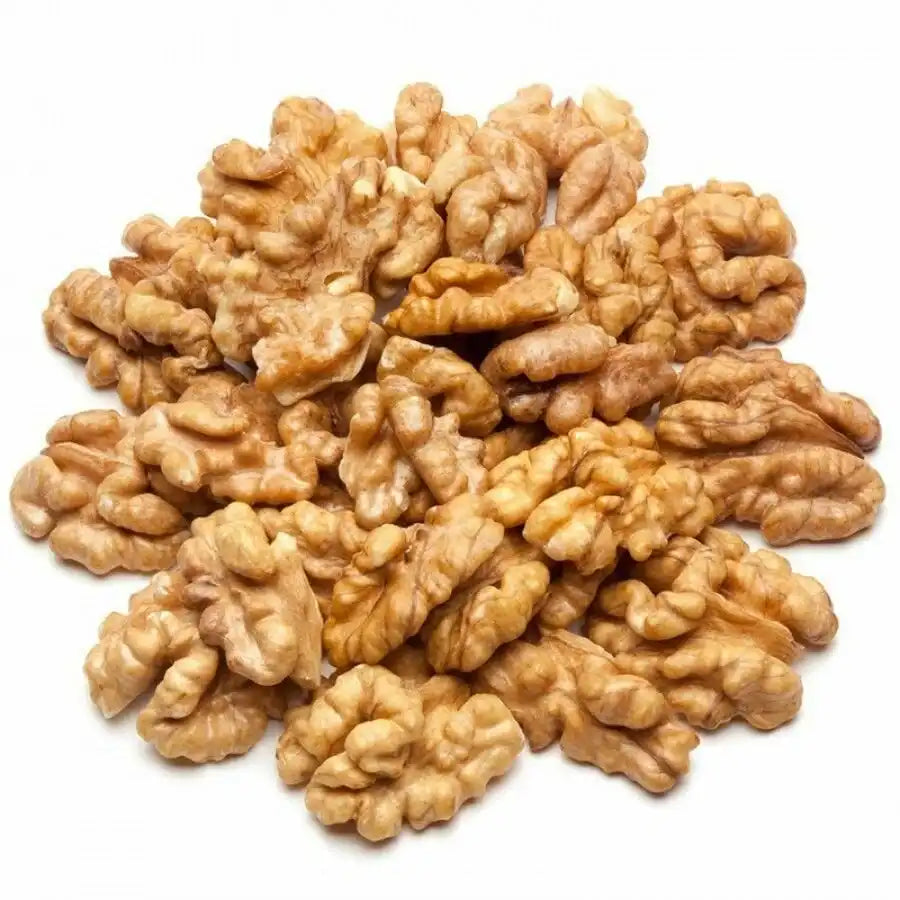
Explore Our Walnuts Collection
Discover our premium Walnuts, selected for their rich flavour, satisfying crunch, and natural goodness. Perfect for wholesome snacking, baking, cooking, or adding a delicious nutty touch to your favourite recipes.
Shop WalnutsWhere Can We Buy the Best Nuts in the UK?
- Buy nuts from a place that makes health details easy to check: ingredients, salt, added sugar, allergen notes and storage advice.
- For nuts for brain function, choose plain, fresh and unsalted packs rather than chocolate-coated, honey-roasted or heavily seasoned options.
- Freshness matters because bitter or oily nuts are less enjoyable and may stop the habit from feeling clean and easy.
- Avoid huge bags if they stay open too long or encourage grazing.
- A better UK buying habit is to compare labels first, then pick the pack that fits your weekly routine.
- Nutsoasis is a suitable UK option for plain nuts that can fit breakfast bowls, study snacks and balanced meals without extra salt or sugar.
Nut Store Near Me UK Guide to Fresh Raw and Roasted Nuts
Conclusion
Good brain health is not built from one food, so nuts should not be treated as a quick fix for memory, focus or concentration. Still, they can be a smart part of everyday eating because they bring healthy fats, fibre, minerals and plant nutrients in a simple portion. Walnuts, almonds, pistachios and cashews each add something different, so variety is better than relying on one type. The best way to use nuts for brain function is to keep them plain, unsalted and part of a wider routine that includes proper meals, water, sleep and movement. With Nutsoasis, choosing quality nuts for a healthier daily routine becomes easier and more practical.
Do nut butters count as nuts for brain function?
They can count, but the label matters. A peanut or almond butter made mostly from nuts is very different from a sweet spread with a little nut flavour. Use a spoon, not the jar, because nut butter is easy to overeat without noticing.
Can children have nuts in a healthy diet?
Children can have nut-based foods when it is safe for their age and allergy history. Whole nuts are the risky part for younger children, because they can choke on them.
Why do nuts sometimes upset the stomach?
Nuts are dense, fibrous, and fatty, so a big portion can feel heavy for some people. Eating them too fast can worsen the situation. A smaller amount, chewed properly, is usually easier to tolerate than a large handful eaten while distracted.
Are nut mixes always a healthy choice?
Not always. Some mixes are closer to party snacks than everyday food, especially when they include salted pieces, dried sweets or crunchy coatings. A better mix feels plain and simple, with enough variety to keep it interesting without turning it into dessert.