Best Nuts for Studying and How Many to Eat Each Day
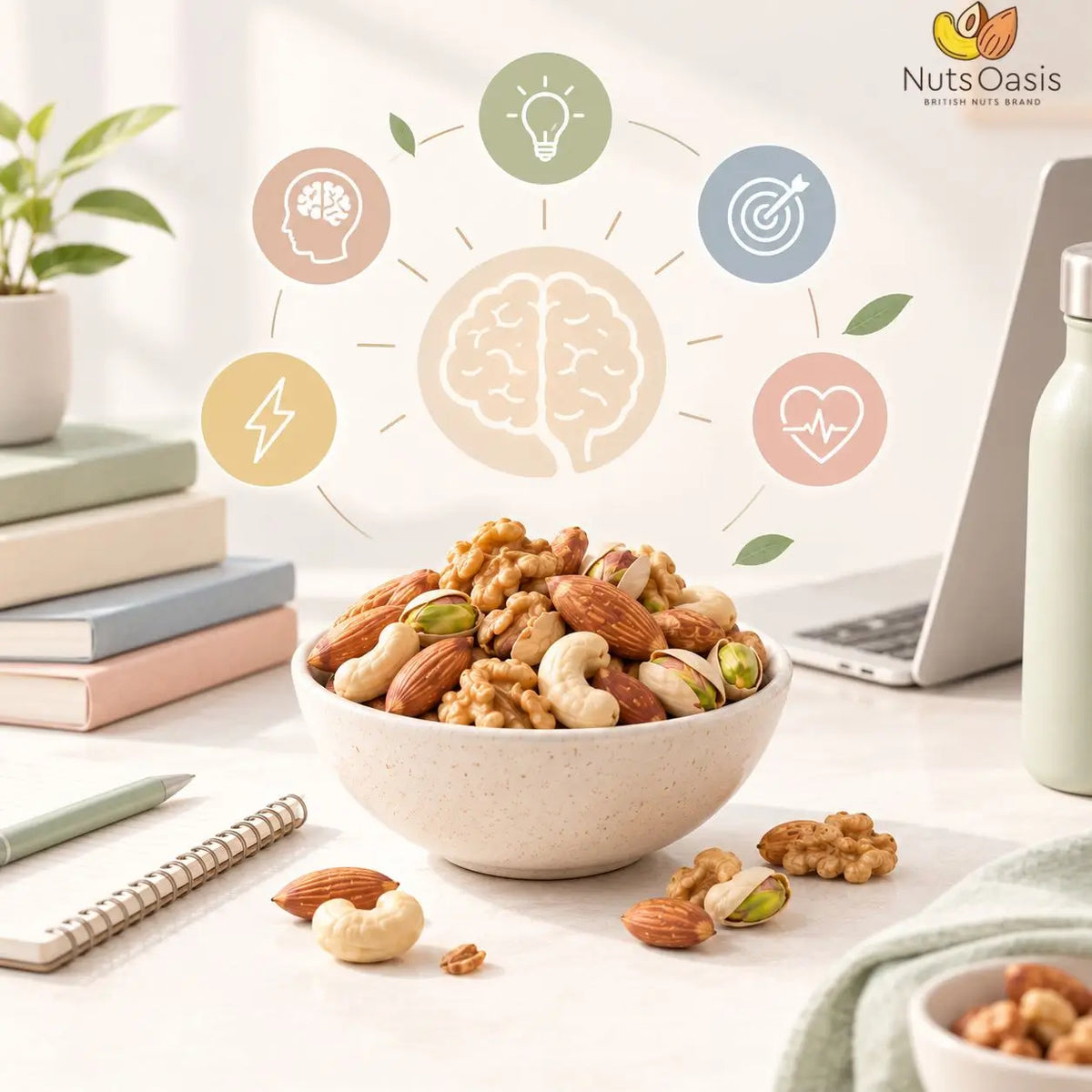
The Best Nuts for Studying are the ones you can actually keep around and enjoy without turning revision into another diet project. A handful of nuts is easy to carry, easy to eat between tasks, and gives you protein, fibre, and unsaturated fats in one small snack. They will not suddenly sharpen your memory, but they can be a sensible swap when you are tired of sweets or energy drinks. This guide looks at useful nuts for concentration, portions, timing, and simple ways to fit them into student life.
Can Nuts Really Help You Study Better and Beat Brain Fog:
- Yes, nuts can support normal brain function, but they are not a quick fix for brain fog or poor concentration.
- Their value comes from the nutrients they add to the diet. Walnuts provide alpha-linolenic acid, a plant omega-3 fat, while almonds and hazelnuts contribute Vitamin E.
- Cashews and pistachios also supply minerals involved in normal nervous-system function, which makes them useful everyday foods rather than "brain boosters".
- The Best Nuts for Studying are therefore most helpful as part of a balanced routine, not as something that suddenly improves memory before an exam.
- People looking for brain food for memory and concentration should also think about sleep, hydration, regular meals, and stress, because these can affect focus just as much as snack choice.
- Nuts can be a practical option during long study sessions, especially when they replace sweets or heavily processed snacks.
- If brain fog is frequent or unusually severe, it is worth looking beyond food, as poor sleep, stress, medication, or nutrient deficiencies can also contribute.
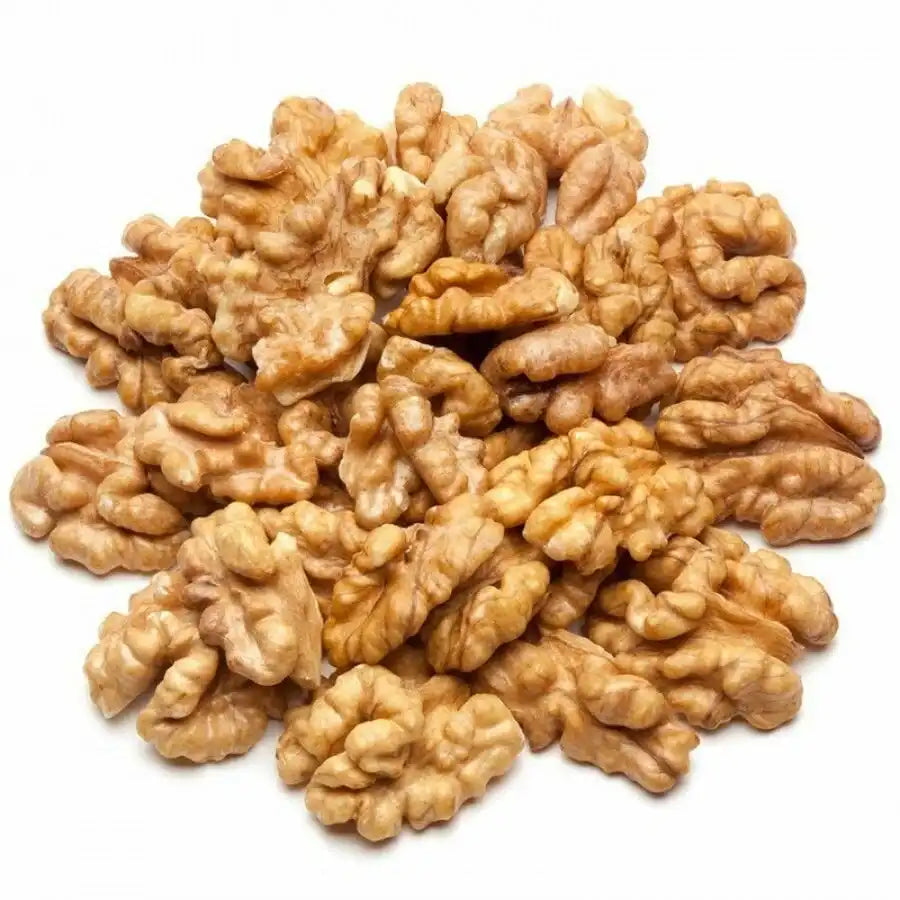
Explore Our Premium Walnuts Collection
Discover the rich, earthy flavour and satisfying crunch of our premium walnuts. Naturally packed with omega-3 fatty acids, fibre, and essential nutrients, they're a delicious choice for snacking, baking, or adding extra texture to your recipes.
Shop WalnutsThe Best Nuts for Studying and Focus, Ranked by Omega-3:
| Nut | Omega-3 (ALA) per 30g | What to Know |
|---|---|---|
| Walnuts | ~2.72g | The clear ALA leader, with unsaturated fats and copper. Useful for a study snack, but not a proven memory booster. |
| Pecans | ~0.30g | Contain some ALA, but much less than walnuts. Also offer unsaturated fats and manganese, so they add variety. |
| Pistachios | ~0.09g | Low in ALA, but provide protein, potassium and vitamin B6. A filling option when you need a study snack. |
| Hazelnuts | ~0.03g | Very little ALA. Better known for vitamin E and monounsaturated fats than for omega-3. |
| Almonds | <0.01g | Almost no ALA, but supply vitamin E and fibre. Practical for studying, not a meaningful omega-3 source. |
| Cashews | ~0.02g | Very low in ALA, but provide copper and magnesium. They bring minerals rather than much omega-3. |
For the best nuts for studying, walnuts lead in plant omega-3. The others bring useful nutrients of their own. ALA is not the same as EPA or DHA, and nuts alone have not been proven to improve memory or focus.
Best Nuts for Sleep Ranked by Magnesium and Melatonin
Nuts vs. Energy Drinks and Snacks:
| Feature | Nuts | Energy Drinks | Sugary Snacks |
|---|---|---|---|
| Main benefit | Protein, fibre and natural fats help make a study snack more filling. | Caffeine may boost alertness for a short time. | Sugary snacks can raise blood glucose quickly, but they often contain less protein and fibre than a balanced snack. |
| Focus | Useful when hunger is distracting you during longer study sessions. | Can make you feel awake, but too much may leave you jittery. | May satisfy a craving briefly, then leave you hungry again. |
| Nutrition | A source of useful nutrients without relying on added sugar or caffeine. | Often focused on stimulation rather than food-based nutrition. | Usually lower in protein and fat than nuts. |
| Sleep | Plain nuts fit naturally into a regular eating routine. | Too much caffeine, especially later in the day, can disrupt sleep. | A sugary snack does not replace a balanced meal or good sleep. |
| Best use | Pair a small handful with fruit, yoghurt or wholegrain crackers. | An occasional choice for some adults, not a substitute for meals or rest. | Better as an occasional treat than the main study snack. |
For nuts for concentration, the real advantage is balanced food, not instant stimulation. Nuts can help keep hunger at bay during a study session, which may make it easier to stay focused on the task rather than on food.
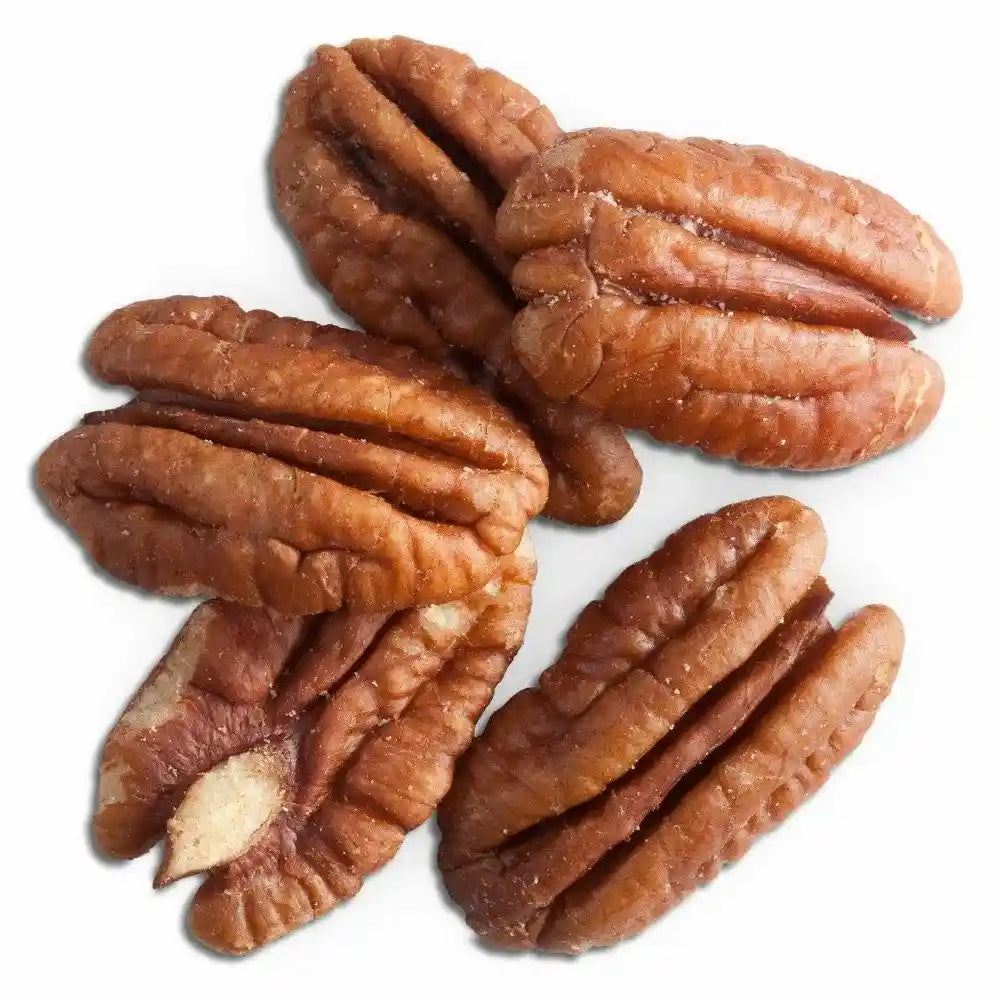
Explore Our Premium Pecan Nuts Collection
Discover the rich, buttery flavour and naturally delicate crunch of our premium pecan nuts. A delicious source of healthy fats, fibre, and essential minerals, pecans are perfect for snacking or adding a nutty twist to your recipes.
Shop Pecan NutsRaw vs Roasted Nuts: Which Keep More of Their Nutrients?
- Raw nuts may keep a little more of some heat-sensitive nutrients, but the gap is usually quite small. Light roasting does not suddenly turn nuts into a poor nutritional choice.
- Vitamin E is one of the nutrients that can drop with heat, especially when roasting goes on for longer or uses a higher temperature.
- Some B vitamins and carotenoids can change too, although this is not the same for every nut. Almonds, hazelnuts and pistachios do not all react to heat in exactly the same way.
- The fats in nuts tend to hold up reasonably well with gentle roasting, so lightly roasted varieties still keep most of their useful fatty acids.
- Roasting can even increase the availability of some plant compounds in certain nuts, which is why raw is not automatically "better" in every respect.
- For the Best Nuts for Studying, the bigger question is often what has been added. A lightly roasted nut with no heavy coating can still be a perfectly sensible study snack.
- Salt, sugar, and extra oils can change the nutritional picture much more than a simple roast.
- If you are comparing the best nuts for brain health, choose plain nuts you genuinely enjoy. Raw and lightly roasted versions can both fit comfortably into a balanced diet.
difference between raw and roasted nuts Unveiling the Taste Gap
When Is the Best Time to Eat Nuts While Studying?
- There is no proven "perfect" time to eat nuts for better memory or exam performance. Timing matters less than the overall quality of your diet and whether you are actually hungry.
- Before an exam, a small portion can work well as part of breakfast or a light snack because nuts are filling without needing a large meal.
- Nuts are most useful when they help you avoid going into a long revision session distracted by hunger rather than when they are eaten at a specific clock time.
- For nuts for concentration, pairing them with fruit, yoghurt or wholegrain toast can make the snack feel more complete.
- Late-night studying is different. A very large meal close to bed may leave you uncomfortable, and poor sleep can affect learning and concentration the next day.
- If you need something during a late session, keep it light rather than turning it into a heavy meal. In overnight-work research, smaller snacks have sometimes performed better than large meals for alertness, but that finding should not be treated as a specific study-food rule.
- The practical rule is simple: eat when you need fuel, keep the portion sensible, and do not sacrifice sleep for another round of revision.
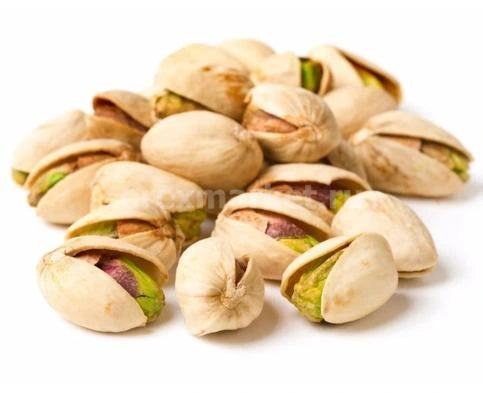
Explore Our Premium Pistachios Collection
Discover the delicious taste and satisfying crunch of our premium pistachios. Naturally rich in protein, fibre, and healthy fats, these flavourful nuts are perfect for snacking, sharing with friends, or adding a delightful crunch to recipes.
Shop PistachiosWhere to Buy the Best Quality Study Nuts in the UK?
- NutsOasis is a useful UK option if you want to compare several nut varieties in one place rather than shop across different stores.
- When choosing the Best Nuts for Studying, start by checking the actual ingredients. Plain or raw nuts make it easier to judge what you are eating without extra sugar, heavy coatings or too much salt.
- NutsOasis offers raw walnuts, raw almonds and raw cashews alongside a wider nut collection, so you can choose by taste, budget and study routine.
- If you are comparing which nuts are good for brain and memory, do not choose by a marketing label alone. Look at the nut itself, the portion size, and whether anything has been added during processing.
- Pack size is worth thinking about too. Smaller packs may suit occasional study snacks, while larger bags make more sense if nuts are already part of your everyday diet.
- You can browse the range at NutsOasis and choose the variety and pack size that fits your routine best.
Nuts for Brain Function That Support Memory and Focus
How Many Nuts Should You Eat While Studying?
- Around 30g, roughly a small handful, is a practical serving for most adults and works well as a study snack without turning into a large calorie load.
- The Best Nuts for Studying do not need to be eaten in large amounts. Nuts are nutrient-dense, but they are also fairly high in calories, so portion size still matters.
- If you are studying for several hours, it is usually better to portion the nuts into a small bowl rather than keep eating straight from the bag.
- A mixed handful can be useful if you want variety, but there is no need to combine every type at once.
- When choosing brain food for studying, the snack should fit around normal meals rather than replace them. If you are genuinely hungry, pairing nuts with fruit or yoghurt may be more satisfying.
- Nut butter can work too, but it is easy to use more than expected. Around 30g, roughly two heaped teaspoons, is a useful reference portion.
- The best amount ultimately depends on your appetite, overall diet and energy needs, not on how difficult the study session feels.
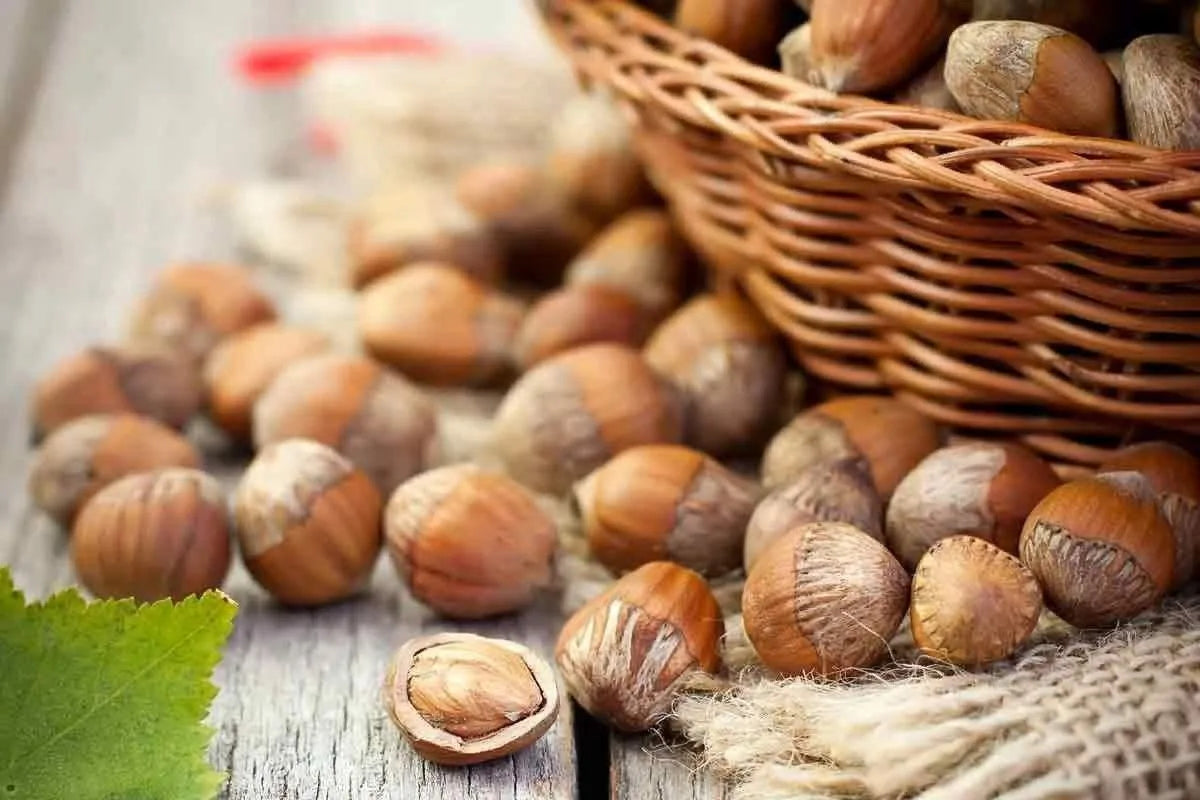
Explore Our Hazelnuts Collection
Discover the deliciously rich, nutty flavour of our premium hazelnuts. Naturally packed with healthy fats, fibre, and vitamin E, these versatile nuts are perfect for everyday snacking, baking, or adding a satisfying crunch to recipes.
Shop HazelnutsNut Allergies and Shared Study Spaces:
- Nut allergies can cause serious reactions, so check the rules before eating nuts in libraries, halls, or shared study rooms.
- Some universities and schools restrict nuts in certain areas. If you share a desk with someone who has an allergy, keep your nuts sealed and wash your hands after eating. Never offer nuts to others without checking first.
Omega-3 Rich Nuts Which Ones Have the Most ALA
Simple Ways to Add Nuts to Your Daily Student Routine:
- The easiest way to use nuts regularly is to make them part of meals you already eat rather than treating them as a special "study food".
- Keep a small portion in your bag or desk drawer for days when lectures run long and there is little time to prepare anything.
- Chopped almonds or walnuts work well over porridge, yoghurt or cereal, while cashews and pistachios can be mixed into rice dishes or salads.
- The Best Nuts for Studying can also be blended into smoothies, although whole or chopped nuts usually make portion size easier to judge.
- Nut butter is useful on toast, oatcakes or sliced apple when you want something quick before heading to the library.
- Students asking whether walnuts improve memory should remember that adding walnuts to breakfast is simply one practical way to include them; it is not a guaranteed memory boost.
- Batch-preparing small nut mixes at the start of the week can make busy days easier and reduce the temptation to grab whatever snack is closest.
- Variety helps too. Rotating walnuts, almonds, pistachios and cashews keeps the routine less repetitive and gives you a broader mix of nutrients.
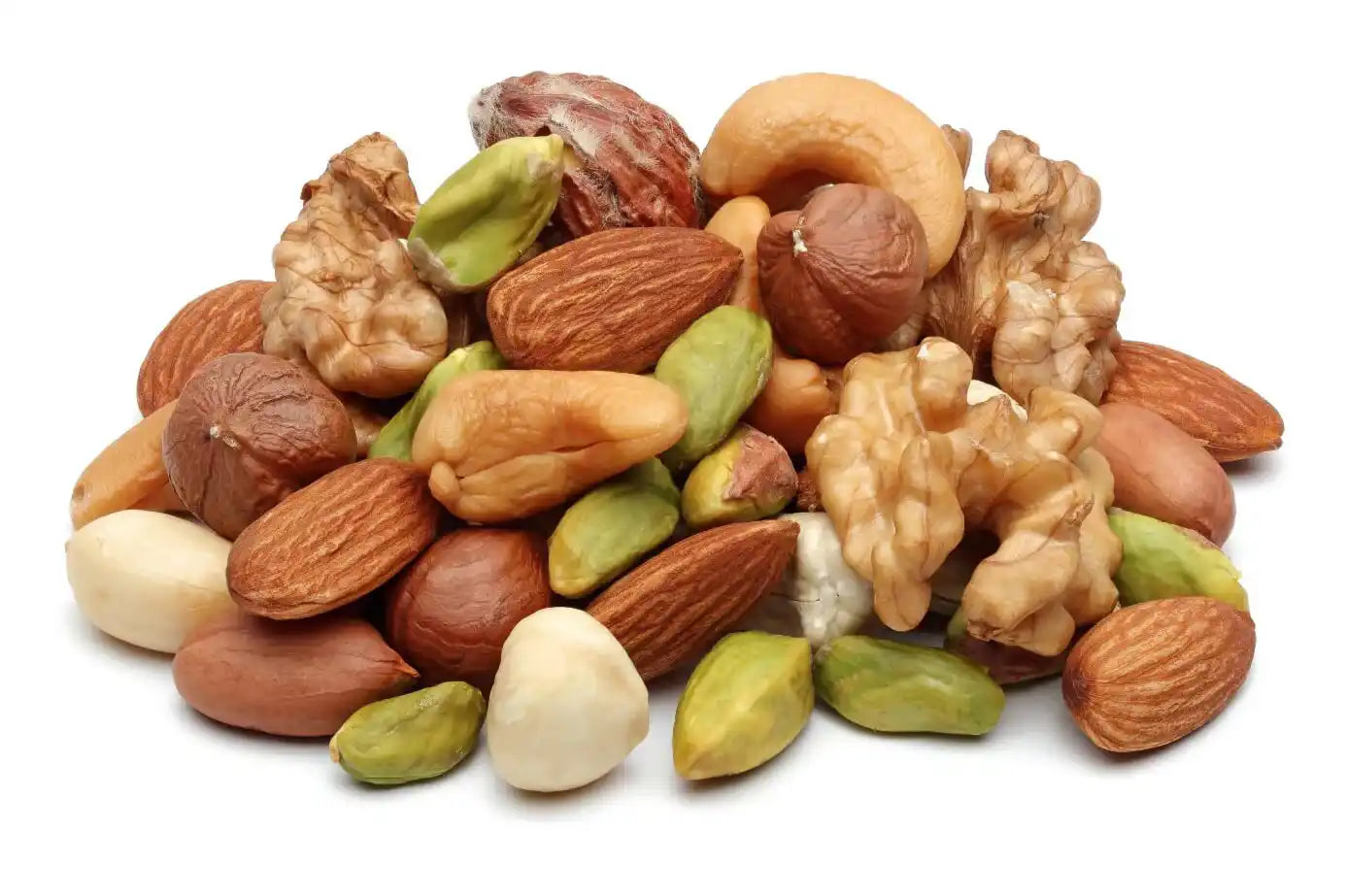
Explore Our Premium Nuts Collection
Discover our delicious selection of premium nuts, from crunchy almonds and creamy cashews to rich walnuts and mixed nuts. Naturally packed with protein, healthy fats, and essential nutrients, our nuts are perfect for everyday occasions.
Shop Premium NutsConclusion
The Best Nuts for Studying are simply the ones that fit easily into your day and give you something more useful than another sugary snack. Walnuts, almonds, pistachios and cashews all have different strengths, so there is no real need to pick just one and stick with it. Keep the portion sensible, choose the varieties you actually enjoy, and use nuts as part of normal meals and snacks rather than expecting them to fix tiredness or poor focus. If you are ready to stock up, have a look at the range from NutsOasis and choose the nuts that suit your taste and study routine.
FAQS
Is it okay to eat nuts while revising for several hours?
Yes. They are easy to keep nearby and can be a practical snack when you do not want to interrupt your study session for a full meal. Just avoid turning the bag into something you keep picking from without noticing.
Are mixed nuts worth buying for students?
They can be. A mixed bag gives you different flavours and textures, which may simply make the snack less boring. Check what is actually inside, though, because some mixes contain a lot of salt, chocolate pieces or sweet coatings.
Can I keep nuts in my backpack all day?
Yes, keep them in a sealed container, and try not to leave them somewhere very hot. If they smell stale, taste bitter or feel unusually soft, it is better not to eat them.
Can eating too many nuts make you feel sluggish while studying?
Yes, a very large portion may feel heavy because nuts are energy-dense and relatively high in fat. A modest serving is usually more comfortable during study.
How can I tell if nuts have gone off?
Your senses are usually enough. Rancid nuts often develop a bitter or paint-like taste and an unpleasant smell. When in doubt, throw them away rather than trying to use them up.
Do I need to buy expensive nuts to get the benefits?
No. Price does not automatically mean better nutrition. What matters more is the type of nut, how fresh it is, what has been added to it and whether it fits comfortably into your normal diet.