Omega-3 Rich Nuts Which Ones Have the Most ALA
Walnuts have an unusual place among nuts because a meaningful part of their polyunsaturated fat comes from alpha-linolenic acid (ALA), the essential omega-3 found in plants. Most other commonly eaten nuts contain considerably less, despite being valuable sources of other unsaturated fats. This distinction matters when selecting Omega-3 Rich Nuts for nutritional rather than purely culinary reasons. Fatty-acid ratios, processing, and serving size also influence how each variety fits into the wider diet.
What Are Omega-3 Fatty Acids?
- Omega-3s belong to the polyunsaturated fat family. ALA is the form found in plant foods, including some nuts, and it has to come from the diet.
- Adults in the UK generally need around 1.6g of ALA a day for men and 1.1g for women — a single 28g serving of walnuts already exceeds both figures. EPA and DHA are different forms, found mainly in oily fish and other marine sources.
- With Omega-3 Rich Nuts, ALA is the key fat to look at. The body can turn some ALA into EPA and DHA, but only in limited amounts — typically 5–10% converts to EPA, and less than 1% to DHA. This is why nuts can contribute to omega-3 intake without being nutritionally identical to fish or algae-based sources.
Walnut What Is It Good For Discover Its Top Benefits
Do Nuts Actually Contain Omega-3?
- Yes, some nuts naturally contain omega-3, but almost entirely as alpha-linolenic acid (ALA), rather than the EPA and DHA associated with oily fish.
- Walnuts are the clear leader. Around 28g of English walnuts provides roughly 2.5g of ALA, giving them a distinctly different fatty-acid profile from most common nuts.
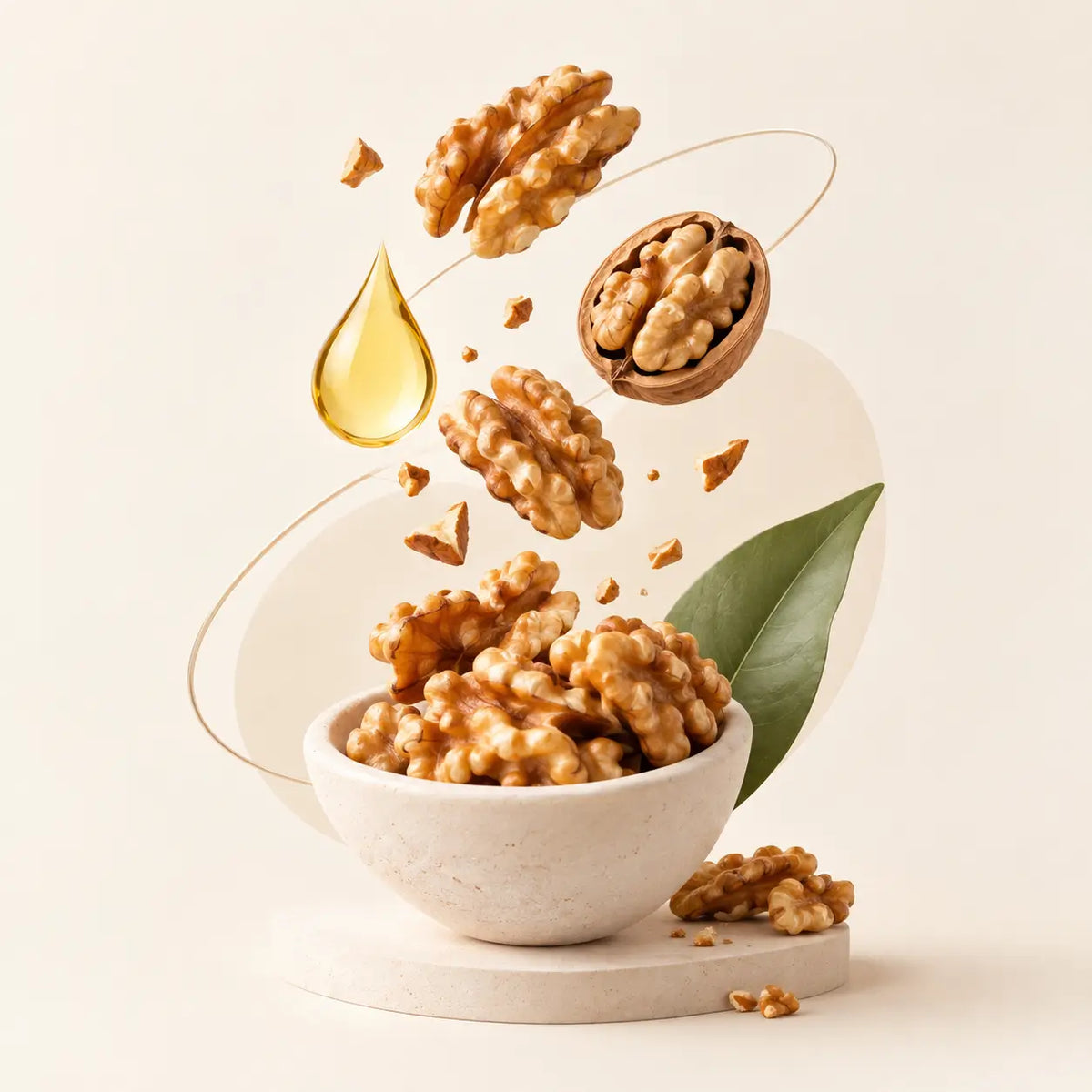
- Walnut omega 3 content comes from the oil naturally stored inside the kernel; it is not added during processing or preparation.
- Almonds, cashews, pistachios and hazelnuts contain little ALA. Their unsaturated fat comes predominantly from other fatty acids, particularly oleic acid.
- This distinction matters when comparing nuts high in omega 3. A nut can be rich in unsaturated fat without being a meaningful omega-3 source.
- Among Omega-3 Rich Nuts, walnuts therefore make the largest practical contribution to ALA intake per normal serving.
- Nuts also provide their fats within a whole-food structure containing protein, fibre and naturally occurring micronutrients, rather than as isolated fatty acids.
Walnuts vs Pecans Nutrition Omega 3 Fibre and Taste
Which Nut Is Highest in Omega 3?
- Walnuts rank first among commonly eaten nuts for omega-3. A 28g serving provides about 2.5g of ALA, making the difference from most other nuts substantial.
- This answers which nuts have high omega-3 quite clearly: walnuts are the main nut to prioritise when ALA content is the deciding nutritional factor.
- English walnuts contain roughly 9g of ALA per 100g. Black walnuts also contain ALA, although their fatty-acid profile and typical serving use differ.
- The best nuts for omega 3 should not be judged by total fat. Macadamias, for example, are high in fat but contain only a small amount of ALA.
- Walnuts also supply polyphenols, particularly in the papery skin surrounding the kernel, alongside copper and manganese.
- Among Omega-3 Rich Nuts, walnuts therefore offer an unusual combination of ALA and other plant compounds within the same food.
- Ground walnuts retain their natural fats, but once broken up, their larger exposed surface makes the oils more vulnerable to oxidation during storage.
Explore Our Walnuts Collection
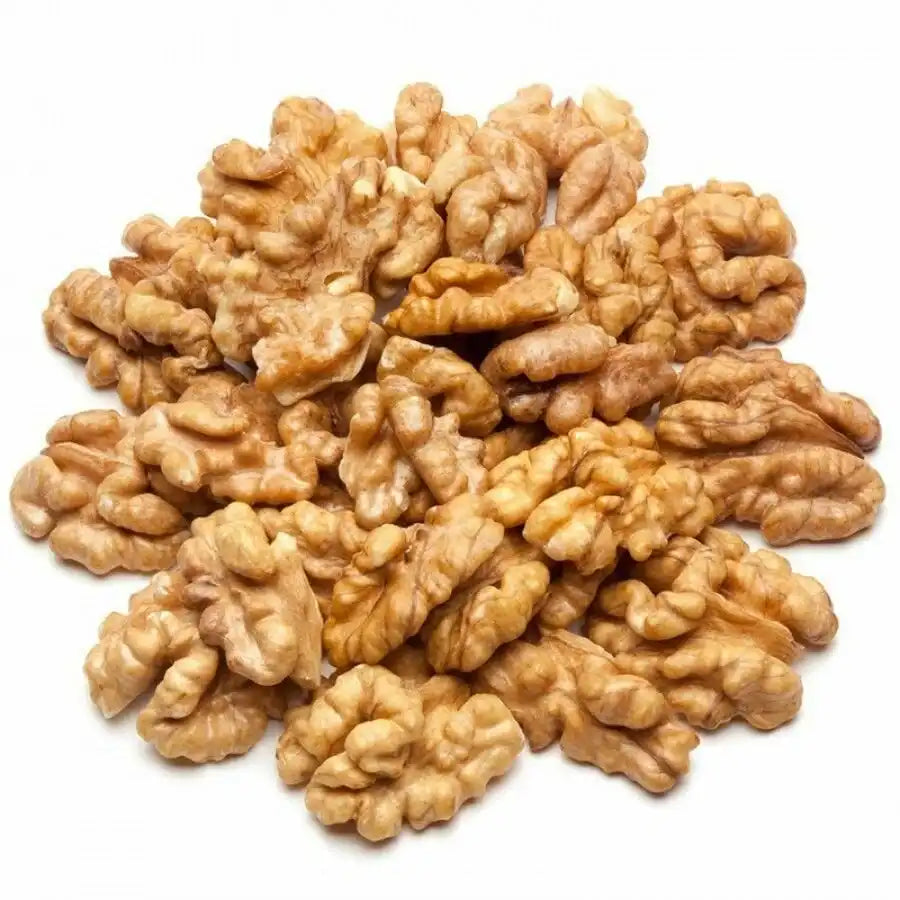
Discover our premium walnuts, offering a naturally rich flavour and satisfying crunch. Perfect for snacking, baking, or adding a delicious nutty touch to your favourite recipes.
Shop WalnutsWhy Does the Omega-6 to Omega-3 Ratio in Walnuts Matter?
- The omega-6 to omega-3 ratio describes the relative amount of these two families of polyunsaturated fats in a food. It should not be confused with the total quantity of either fat.
- Walnuts have a ratio of roughly 4:1. This gives them a different fat balance from almonds, hazelnuts and cashews, where omega-6 generally outweighs omega-3 by a much wider margin.
- Interest in nuts with high omega-3 to 6 ratio comes partly from this difference, but there is no single ratio that every diet must achieve.
- Current nutrition evidence places greater importance on obtaining enough omega-3 and replacing saturated fat with unsaturated fats than on chasing a precise dietary ratio.
- Omega-6 should not be treated as an undesirable fat; linoleic acid is essential and has recognised roles in normal health.
- For Omega-3 Rich Nuts, the ratio is therefore most useful as a comparison tool, not as a standalone measure of whether a food is healthy.
Nuts for Brain Function That Support Memory and Focus
What Other Omega-3 Rich Nuts Are There?
- Pecans contain some ALA, although the amount is modest. Their contribution is therefore relatively small compared with stronger plant sources.
- Pine nuts also contain ALA, together with pinolenic acid, a less common polyunsaturated fatty acid naturally present in several pine species.
- Hazelnuts provide only a small amount of omega-3. Most of their fat is oleic acid, so they are better known for their monounsaturated-fat content.
- Pecans contribute plant sterols and several polyphenols as well, meaning their nutritional value is not limited to their fatty-acid profile.
- For omega 3 for vegans, nuts can form part of the overall intake, but lower-ALA varieties should be combined with richer plant sources such as chia, flaxseed, or hemp seeds.
- Using several types of nuts across the week adds different fatty acids, minerals, and plant compounds without treating every nut as an equally strong omega-3 source.
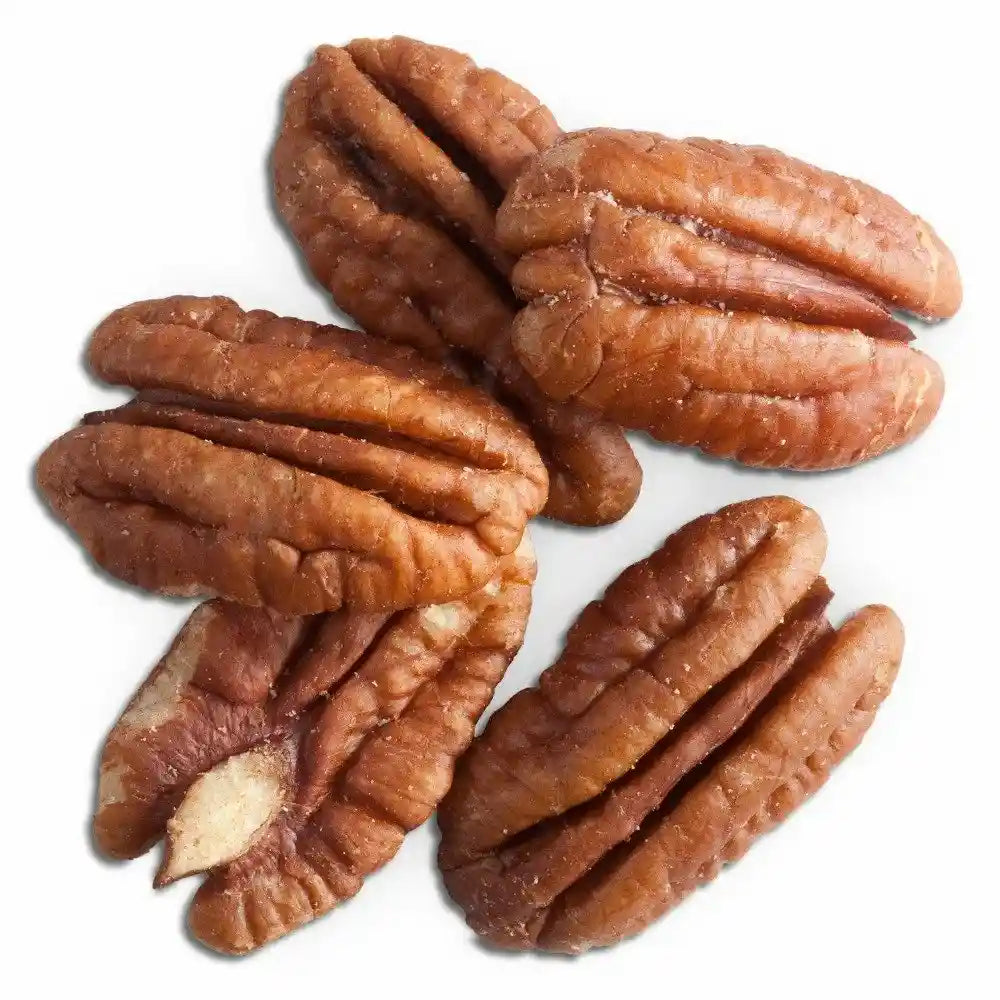
Explore Our Pecan Nuts Collection
Discover the rich, buttery flavour and satisfying crunch of our premium pecan nuts. Perfect for snacking, baking, or adding a delicious nutty touch to your favourite recipes.
Shop Pecan NutsAre Omega-3 Rich Nuts Suitable for Vegans?
- Yes, nuts are entirely plant-based, so they fit naturally into vegan diets without relying on fish-derived ingredients.
- For omega 3 for vegans, the important issue is not simply eating nuts, but obtaining enough ALA across the whole diet. Vegan diets contain no oily fish, one of the main direct dietary sources of EPA and DHA.
- Chia seeds, ground flaxseed, and hemp seeds can complement nuts because they provide additional ALA in relatively concentrated amounts.
- Algae-derived oils are different. They can supply DHA, and sometimes EPA, directly without using fish, making them relevant when longer-chain omega-3 intake is required.
- Pregnancy, breastfeeding and older age can make DHA intake particularly relevant because DHA is an important structural component of the brain and retina.
- Vegan omega-3 intake should therefore be assessed across foods and, where appropriate, fortified products or algae-based supplements rather than assuming all plant foods provide equivalent fatty acids.
Healthiest Nut for You Cashews Hazelnuts and Pecans
What Health Benefits Do Omega-3 Rich Nuts Have?
- ALA from plant foods can contribute to cardiovascular health, particularly when it replaces part of the saturated fat in the diet. This aligns with NHS and NICE guidance, which recommends including plant-based omega-3 sources like walnuts as part of a heart-healthy dietary pattern.
- A daily intake of ALA supports the maintenance of normal blood cholesterol, which is one reason omega-3-containing nuts can fit well into a heart-conscious eating pattern.
- Omega-3 fats also take part in pathways linked with inflammatory signalling and oxidative balance. These effects are complex, so nuts should not be described as an anti-inflammatory treatment.
- Interest in omega 3 brain health needs careful wording. DHA has the strongest established structural role in the brain, whereas evidence for ALA alone is less direct.
- ALA can be converted into EPA and DHA, but the conversion is limited, so nut-based omega-3 should not be treated as nutritionally equivalent to marine sources.
- The overall benefit comes from regular intake within a balanced diet rather than from using one food as a therapeutic source.
Benefits of Nuts for Heart, Weight, and Daily Snacking
Does Roasting Affect the Omega-3 Content of Walnuts?
| Point | Raw Walnuts | Roasted Walnuts |
|---|---|---|
| Omega-3 | Avoid heat during preparation, so their original omega-3 profile is better protected at this stage. | Roasting does not automatically remove the omega-3. The effect depends on temperature, roasting time, and later storage. |
| Oxidation | Can still deteriorate if left exposed to air, light, or heat for too long after opening. | Higher heat or prolonged roasting can create more conditions for oxidative damage. |
| Heat exposure | No roasting heat is applied during preparation. | Lower temperatures and shorter roasting times generally cause less oxidative change than prolonged high-heat roasting. |
| Texture | Softer and more natural in flavour, with slightly more moisture. | Drier, crunchier, and warmer in flavour because roasting reduces moisture. |
| Added oil | Their fatty-acid profile reflects the walnut itself without fats contributed by cooking oil. | Oil-roasted products can contain additional fatty acids from the oil used during processing. |
| Storage | They need sealing after opening to protect their oxidation-sensitive oils. | They also need sealing and should be kept away from heat and light after opening. |
In Raw vs Roasted Walnuts, roasting does not automatically remove omega-3. Gentle roasting, good storage, and avoiding added oils or very dark roasting matter more than the label alone.

Explore Our Hazelnut Collection
Discover the rich, naturally sweet flavour and satisfying crunch of our premium hazelnuts. Perfect for snacking, baking, or adding a delicious nutty touch to your favourite recipes.
Shop HazelnutsAre Nuts Good for Muscle Recovery After a Workout?
- Yes, nuts can support recovery after exercise, although their role differs from that of a high-protein recovery food. They provide energy, minerals, and unsaturated fats that can complement a post-workout meal.
- Muscle repair depends heavily on adequate protein. Nuts contain protein, but most are relatively low in leucine, an amino acid that helps stimulate muscle protein synthesis.
- Pairing nuts with yoghurt, milk, eggs, soy or another protein-rich food gives a stronger recovery meal than eating nuts alone.
- Magnesium in almonds and cashews contributes to normal muscle function and normal energy metabolism, both of which are relevant to physically active diets.
- Nuts also provide energy after exercise, which can be useful when total calorie intake needs to rise alongside training volume. Their relatively high fat content, however, means they digest more slowly than many carbohydrate-rich recovery foods.
- After demanding exercise, carbohydrate intake also matters because it helps restore muscle glycogen depleted during training.
The Best Workout Nuts for Your Gym Bag
How to Get More Omega-3 From Nuts Every Day?
- Keep walnuts ready for meals rather than depending on them only as a snack. Chopped walnuts can be added to porridge, yoghurt, salads or grain dishes without changing the rest of the meal substantially.
- Use ground walnuts where texture matters. They mix easily into overnight oats, homemade granola or fillings and still provide the naturally occurring fats found in the whole kernel.
- Pair nuts with other plant sources such as ground flaxseed, chia seeds or rapeseed oil. This increases total ALA intake without requiring unusually large portions of nuts.
- Walnut butter made from 100% walnuts can provide the same naturally occurring ALA as the nuts themselves, provided no other fats replace part of the walnut content.
- Salt or sugar does not remove the ALA naturally present in walnuts, but coatings can substantially alter sodium, sugar, and energy intake, so the overall nutritional profile changes even when the omega-3 remains.
- For omega 3 for vegans, regular inclusion matters more than occasionally eating a very large serving. A varied plant-based diet can provide ALA from several foods across the day.
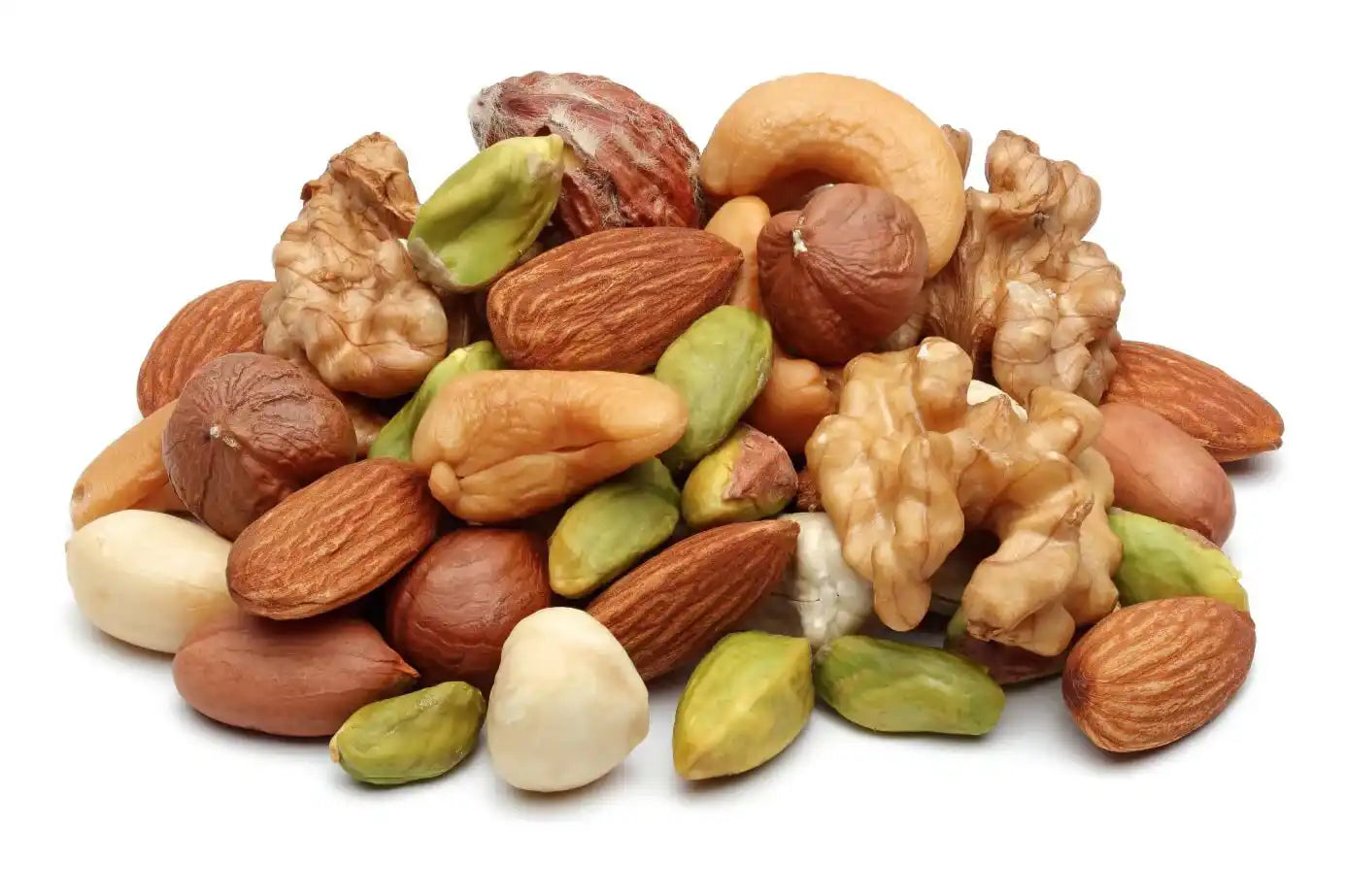
Explore Our Nuts Collection
Discover our selection of premium nuts, carefully chosen for their delicious flavour, satisfying crunch, and quality. From everyday favourites to indulgent varieties, find the perfect nuts for snacking, sharing, or adding to your favourite recipes.
Shop NutsWhere Can I Buy the Best Nuts in the UK?
- NutsOasis is a specialist UK option with a broad nut range, including walnuts, pecans, almonds, pistachios, Brazil nuts, cashews, hazelnuts and macadamias.
- For shoppers prioritising ALA, raw walnuts are the most relevant option in the range. Nutsoasis currently lists them without added salt or oil and offers several pack sizes, from 100g to 800g.
- Buying plain nuts also makes the ingredient list easier to assess. Coated, sweetened or heavily salted varieties serve a different nutritional purpose and should not be treated as equivalent to raw nuts.
- Pack size matters with walnuts because their unsaturated oils are vulnerable to deterioration after prolonged exposure to air, heat and light.
- Nutsoasis also lists raw pecans, allowing UK shoppers to combine different nuts rather than relying on a single variety.
- For buyers prioritising omega-3 content, raw walnuts are the clearest choice within the current Nutsoasis range, while other nuts can be selected for variety, flavour and their different nutritional profiles.
Best Nuts to Lower Cholesterol and Support Healthy Heart
Conclusion
The amount of omega-3 found in nuts varies widely, and a higher total fat content does not necessarily mean more omega-3. Walnuts are particularly rich in ALA, while other nuts offer their mix of healthy fats, minerals and natural plant compounds. UK shoppers can find a useful range at Nutsoasis for snacking, cooking or baking. Whichever type you choose, buy fresh, plain nuts and keep them in a sealed container to protect their flavour and natural oils.
FAQS
Can people with a nut allergy get plant omega-3 elsewhere?
Yes, ground flaxseed and chia are two useful alternatives, and ALA is also present in oils such as rapeseed oil. People with diagnosed allergies still need to read product labels carefully because cross-contact warnings vary between brands and manufacturing sites.
Which nuts have high omega-3?
Walnuts are the one to reach for here, as they contain noticeably more omega-3 than other nuts. Pecans and hazelnuts have some too, but only in modest amounts.
How many nuts should I have after exercising?
You do not need a large portion. A small handful is usually enough, particularly if you are also having yoghurt, fruit or another snack. Nuts are filling, but it is surprisingly easy to eat more than intended straight from the packet.
Can I eat nuts instead of having a protein shake?
Yes, you can, although the two are not nutritionally identical. A typical serving of nuts contains less protein than most shakes. If recovery is your priority, try eating them with Greek yoghurt or milk rather than treating them as the only protein source.