Best Nuts for Elderly Easy to Chew and Nutritious
A handful of nuts may look simple, but for older adults, it can bring several useful nutrients into the diet without requiring a large meal. Protein, unsaturated fats, magnesium, fibre, and vitamin E are just some of the nutrients found across different varieties. The Best Nuts for Elderly people, however, should also be comfortable to chew and suitable for individual health needs. In this guide, we compare the best nuts for over 60s, look at softer options, discuss heart and bone health, and explain when certain nuts may need to be limited. The aim is to make choosing nuts easier, safer, and more practical for everyday eating.
Why Nuts Matter More as We Age?
- As we age, preserving muscle, maintaining a steady appetite, and getting enough nutrients from smaller meals can become more important than simply eating "healthy" foods in general.
- Nuts can help because they are energy-dense and provide protein, unsaturated fats, fibre and minerals in a relatively small serving.
- The best nuts for elderly adults are useful partly because they can add nutritional value without making meals much larger, which may help when appetite is reduced.
- Protein matters more with age because muscle mass naturally declines over time. Nuts are not a complete protein source on their own, but they can still contribute to daily intake.
- Their unsaturated fats can also help improve the overall quality of fat in the diet when they replace foods higher in saturated fat.
- Fibre is another advantage, especially as constipation becomes more common with age.
- Some of the healthiest nuts also provide magnesium, vitamin E, zinc and copper, nutrients involved in normal nerve, immune and tissue function.
- The main point is not to eat more nuts simply because you are older, but to use them where they make meals more nutritious, practical and enjoyable.
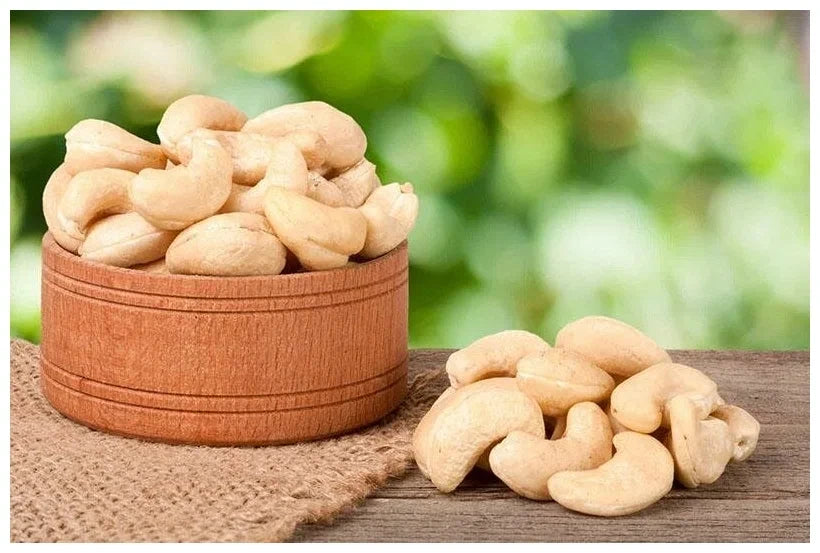
Explore Our Cashew Nuts Collection
Discover the deliciously creamy taste and satisfying crunch of our premium cashew nuts. Naturally rich in healthy fats, plant-based protein, and essential minerals, cashews are perfect for snacking or adding to recipes.
Shop Cashew NutsThe Best Nuts for Elderly Ranked by Chewability:
When chewing becomes more difficult, texture matters just as much as nutrition. Among the best nuts for elderly adults, softer varieties are often easier to manage than very hard, dry nuts.
| Nut | Chewability |
|---|---|
| Cashews | Cashews are usually one of the easiest whole nuts to chew because of their naturally softer, creamier texture. |
| Walnuts | Walnuts come next. Their structure is lighter and more brittle, so they break apart more easily than almonds or hazelnuts. |
| Pecans | Pecans are similarly tender and can work well for older adults who still manage whole nuts comfortably. |
| Macadamias | Macadamias have a softer bite than wider varieties, although their smooth, round shape means they should still be eaten carefully. |
| Pistachios | Pistachios are slightly firmer but can be manageable when shelled and chewed slowly. |
| Almonds and hazelnuts | Almonds and hazelnuts sit towards the harder end and may be difficult for people with dentures, missing teeth or reduced jaw strength. |
For anyone searching for the best nuts for seniors, texture should be judged individually. Chopped nuts, ground nuts, or smooth nut butter can be safer when whole nuts are difficult to chew or swallow.
Best Nuts for Zinc and How Much You Need Daily
What if Swallowing Is Difficult During Eating Nuts?
- Whole nuts and large pieces can be a choking risk for people with swallowing difficulties (dysphagia), including after a stroke or with some neurological conditions. Nuts are often not suitable in their whole form if a person has been advised to follow a texture-modified diet.
- If an older person coughs or chokes when eating, has food sticking in the throat, or has been assessed by a speech and language therapist, check with their GP, dietitian or therapist before offering nuts in any form. Smooth nut butter or finely ground nuts stirred into soft food may be considered, but only if the person's care team agrees.
- For anyone who is confident swallowing, sit upright when eating, take small amounts, and chew slowly.
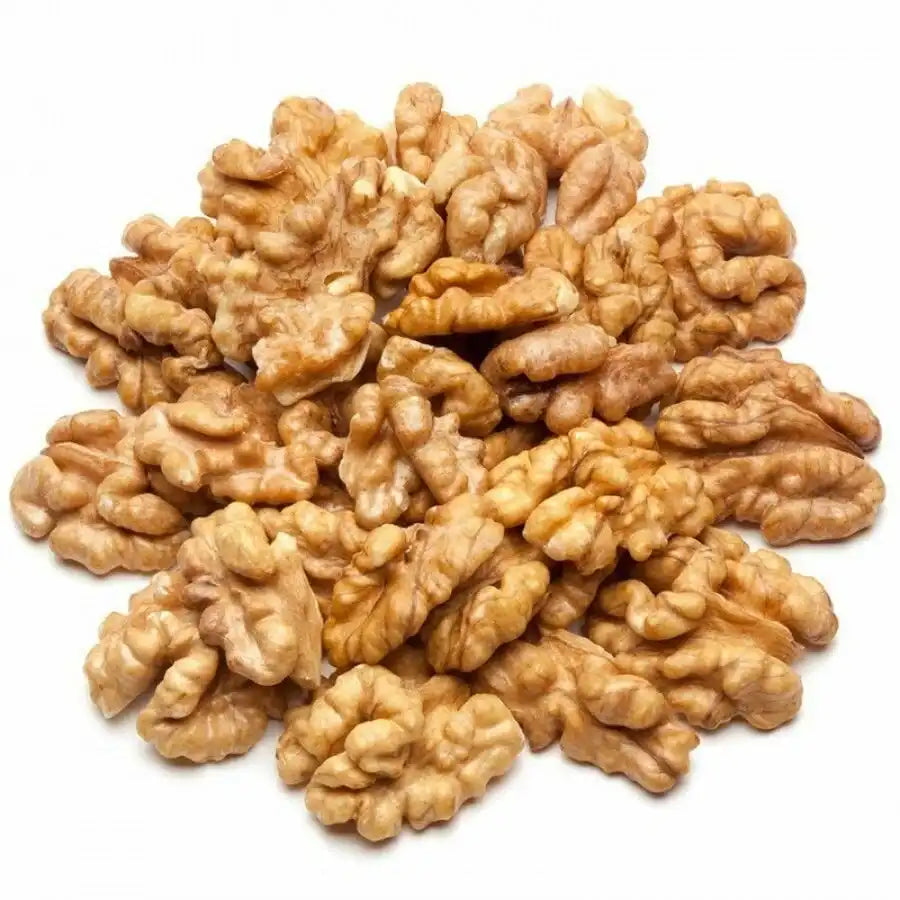
Explore Our Walnuts Collection
Discover the rich, earthy flavour and natural goodness of our premium walnuts. A source of plant-based omega-3 fatty acids, fibre, and essential nutrients, walnuts are perfect for snacking, baking, or adding to salad.
Shop WalnutsWhat Are the Best Nuts for Cognitive Health and Dementia Prevention?
- No nut can prevent dementia on its own, but regular nut intake can still fit well within a brain-friendly eating pattern built around whole foods, vegetables, fish, and healthy fats.
- Among the best nuts for elderly adults, walnuts are often discussed because they provide alpha-linolenic acid, a plant-based omega-3 fat involved in normal brain and cardiovascular function.
- Almonds and hazelnuts add vitamin E, an antioxidant that helps protect cells from oxidative stress.
- Pistachios and cashews contribute B vitamins and minerals that support normal nervous-system function, although they should not be treated as memory boosters.
- Research on nuts and cognitive ageing is promising, but most studies look at overall dietary patterns rather than a single type of nut.
- Walnuts, almonds, hazelnuts, pistachios and pecans can all contribute different nutrients to an older adult's diet.
- The strongest evidence still supports combining nutritious foods with physical activity, good sleep, social engagement, and proper management of blood pressure, diabetes, and cholesterol.
Best Nuts for Sleep Ranked by Magnesium and Melatonin
How Can Nuts Support Heart Health and Blood Pressure?
- Heart health becomes especially important with age, and nuts can fit well into a diet designed to support healthy cholesterol levels and normal blood pressure.
- Among the best nuts for elderly adults, walnuts, almonds, and pistachios are useful choices because they provide mostly unsaturated fats rather than large amounts of saturated fat.
- Replacing some foods high in saturated fat with nuts can help improve the overall fat profile of the diet, which is more meaningful than simply adding nuts on top of everything else.
- Pistachios also provide potassium, a mineral involved in normal blood-pressure regulation. That is why pistachios for blood pressure often appear in heart-health discussions.
- Almonds contribute magnesium, while walnuts provide plant omega-3 fats, giving each variety a slightly different nutritional role.
- Plain and unsalted nuts are usually the better option for older adults who are trying to control sodium intake.
- The healthiest nuts for the heart are not necessarily one single variety; regular rotation between different types can provide a broader mix of nutrients.
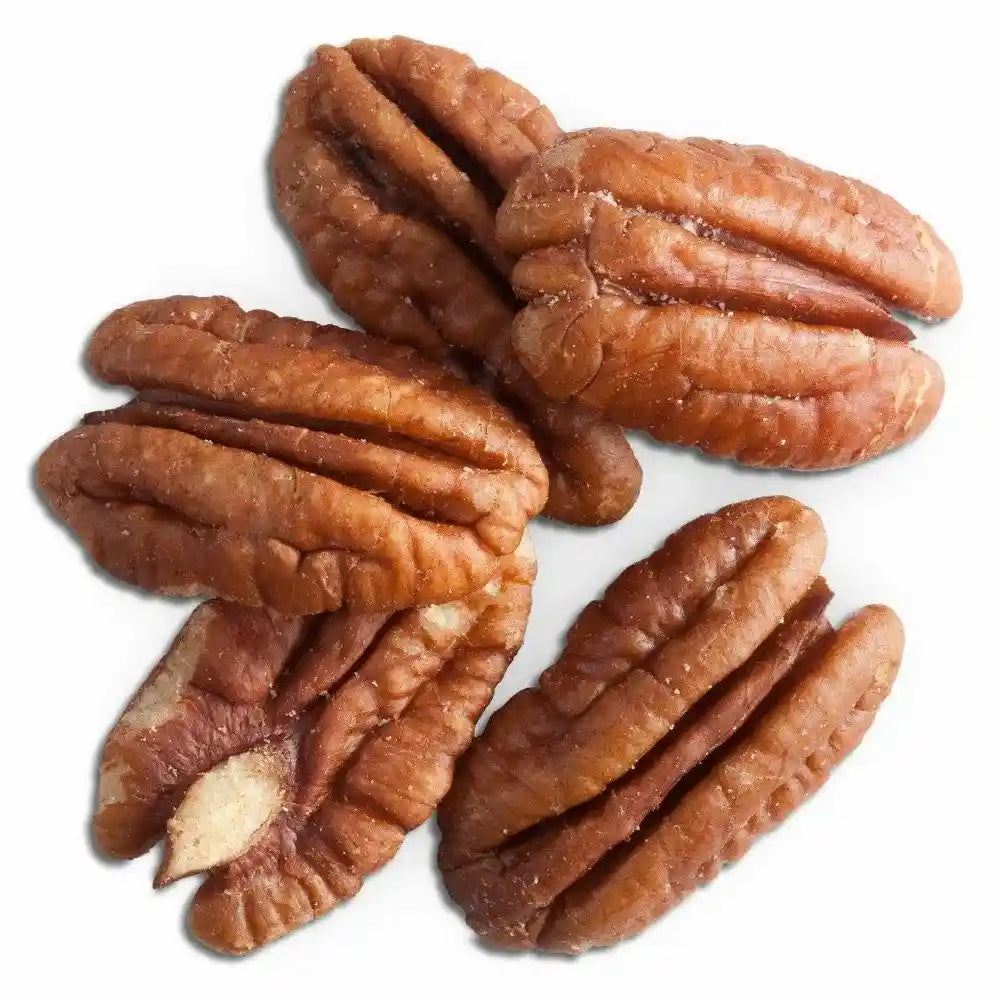
Explore Our Pecan Nuts Collection
Discover the rich, buttery flavour and delicate crunch of our premium pecan nuts. Naturally rich in healthy fats, fibre, and essential minerals, pecans are perfect for everyday snacking, baking, or adding to your recipes.
Shop Pecan NutsCan Nuts Help Support Bone Density and Joint Health?
- Bones naturally lose some density with age, so a diet that provides enough protein, calcium and other minerals becomes increasingly important alongside weight-bearing activity and adequate vitamin D.
- Almonds, cashews and Brazil nuts can contribute magnesium, while almonds also provide a modest amount of calcium. They can be useful additions to a varied diet, rather than the main source of either mineral.
- Magnesium plays a part in maintaining normal bones and also contributes to processes involving vitamin D and calcium in the body.
- Protein matters here too. Maintaining muscle strength can help support mobility and physical function, both of which become particularly important later in life.
- For anyone searching for the best nuts for osteoporosis, it is worth keeping expectations realistic. Nuts can contribute useful nutrients, but they cannot replace calcium-rich foods, adequate vitamin D or osteoporosis treatment when it has been prescribed.
- Walnuts provide alpha-linolenic acid, a plant omega-3 fat. They can form part of a healthy overall eating pattern, although there is not enough evidence to regard walnuts as a specific treatment for arthritis or joint problems.
- Brazil nuts are especially rich in selenium, so they are better eaten in small amounts rather than several every day.
Omega-3 Rich Nuts Which Ones Have the Most ALA
Are Nuts Good for Elderly People with Diabetes?
- Yes, nuts can fit well into a diabetes-friendly diet because they are naturally low in available carbohydrates compared with many biscuits, cakes or sweet snack foods.
- Among the best nuts for elderly adults with diabetes, almonds, walnuts, pistachios and peanuts can all be reasonable choices when portions are kept sensible.
- Their fat, protein and fibre can slow digestion when nuts are eaten with carbohydrate-containing foods, which may help reduce a sharp rise in blood glucose after a meal.
- Plain nuts are generally low in available carbohydrate, so they usually have a relatively small direct effect on blood glucose compared with carbohydrate-rich snack foods.
- Older adults using insulin or glucose-lowering medicines should not rely on nuts to treat low blood sugar. Hypoglycaemia needs a fast-acting source of glucose instead.
- Honey-roasted, chocolate-coated and caramelised nuts can contain much more added sugar than plain varieties, so checking the label matters.
- People with kidney disease may need individual advice, as potassium or phosphorus restrictions can affect which nuts are suitable.
- Nuts are best used as part of the person's normal diabetes meal plan, not as a special food that manages diabetes on its own.

Explore Our Macadamia Nuts Collection
Indulge in the rich, buttery flavour and delicate crunch of our premium macadamia nuts. Naturally rich in healthy unsaturated fats, these delicious nuts are perfect for snacking, baking, or adding a luxurious touch to your recipes.
Shop Macadamia NutsWhich Nuts Should Older Adults Limit or Avoid?
- There is no universal list of nuts to avoid after 60, because suitability depends more on health conditions, allergies, chewing ability, and medication than age alone.
- Among the best nuts for elderly adults, most plain nuts can still fit into a balanced diet, but some situations call for extra care.
- Brazil nuts are exceptionally rich in selenium, so portion size matters. For most adults, 1–2 Brazil nuts a day is usually enough to provide plenty of selenium without making excess intake more likely.
- Salted nuts may be less suitable for people who have been advised to restrict sodium because of heart failure, kidney disease or difficult-to-control blood pressure.
- Sugar-coated nuts can add a surprising amount of sugar, particularly when they are caramelised, honey-roasted or covered in chocolate.
- Very hard nuts may be unsuitable for anyone with dentures, poor teeth or swallowing difficulties, even if their nutritional profile looks excellent.
- People asking what are the worst nuts to eat should also remember that allergies matter more than rankings. Any nut that has previously caused an allergic reaction should be avoided completely.
- For older adults with chronic kidney disease, individual advice is important because some nuts can contribute significant potassium or phosphorus.
Best Nuts for Selenium Brazil Nuts Portions and Safety
Where to Buy the Best Quality, Easy-to-Chew Nuts in the UK?
- NutsOasis gives UK shoppers a simple way to look through different nut varieties without jumping between several stores.
- If you are buying the best nuts for elderly adults, texture should be one of the first things you check. Softer nuts such as cashews, walnuts and pecans may be easier for some older people to manage.
- It is also worth reading the ingredients instead of choosing by the front label alone. Plain nuts are usually easier to assess than products covered with extra coatings or flavourings.
- Think about how quickly the pack will actually be used. A smaller bag can be a better choice in homes where nuts are eaten only now and then.
- Packaging matters after opening too. Nuts keep their flavour better when the bag can be closed properly or the contents are moved into an airtight container.
- If whole nuts are difficult to chew, chopped nuts or smooth nut butter can be much easier to add to breakfast, yoghurt or softer meals.
- You can browse the range at NutsOasis and choose a variety and pack size that feels practical for everyday use.
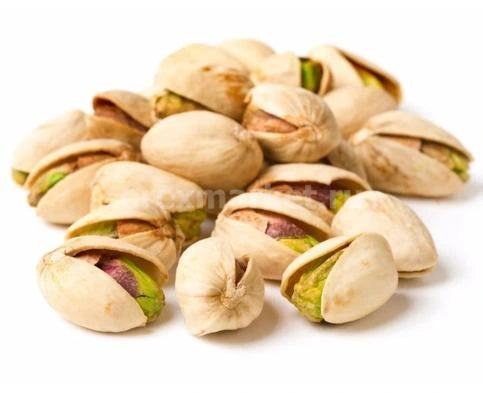
Explore Our Pistachios Collection
Discover the delicious taste and satisfying crunch of our premium pistachios. Naturally rich in plant-based protein, fibre, and healthy fats, they're a delicious choice for everyday snacking and sharing.
Shop PistachiosHow Many Nuts Should the Elderly Eat Daily?
A sensible daily amount for most older adults is around 25–30g, roughly a small handful. It is enough to add nutritional value without turning a snack into a large calorie load.
| Nut | Calories | Protein | Fat | Fibre | Practical Note |
|---|---|---|---|---|---|
| Almonds | 174 kcal | 6.3g | 15.0g | 3.8g | Vitamin E and fibre; quite firm, so chopped or ground almonds may be easier. |
| Pistachios | 171 kcal | 6.3g | 13.5g | 3.0g | Potassium and protein; remove shells and choose unsalted. |
| Cashews | 171 kcal | 4.5g | 13.8g | 0.9g | Copper and magnesium; creamy texture and often easier to chew. |
| Walnuts | 195 kcal | 4.5g | 19.5g | 2.0g | Plant omega-3 (ALA); crumbly texture works well in porridge. |
| Hazelnuts | 189 kcal | 4.5g | 18.3g | 2.9g | Vitamin E; hard texture, so chop finely or grind. |
| Pecans | 207 kcal | 2.7g | 21.6g | 2.8g | Manganese and unsaturated fat; softer than many nuts. |
| Macadamias | 216 kcal | 2.4g | 22.8g | 2.4g | Energy-dense with mostly monounsaturated fat; cut up round nuts. |
| Brazil nuts | 198 kcal | 4.2g | 20.1g | 2.3g | Exception: exceptionally high selenium. Do not use a 30g serving as a daily target. |
- Brazil nuts are an exception: selenium varies widely, and a 30g portion can exceed safe daily intake. Keep servings much smaller and consider any selenium supplements.
- The best nuts for elderly adults are not decided by a nuts ranked best to worst list. Choose the best nuts to eat based on appetite, ease of chewing, medical needs, and variety throughout the week.
Nuts for Brain Function That Support Memory and Focus
How to Incorporate More Nuts into an Elderly Person's Diet?
- Nuts do not have to be eaten on their own. For many older adults, they are easier to include when they become part of familiar meals rather than a separate snack.
- A spoonful of finely ground almonds can be stirred into porridge after cooking, adding richness without noticeably changing the meal.
- Crushed walnuts or pecans work well over soft fruit, stewed apples or yoghurt and give a little texture without dominating the dish.
- The best nuts for elderly adults can also be blended into homemade sauces or dressings, particularly when whole nuts are not appealing.
- Finely milled cashews can add body to vegetable soups or creamy sauces while keeping the texture smooth.
- Nuts can also be folded into soft baked foods such as banana bread, oat muffins or homemade flapjacks, provided the pieces are small enough to eat comfortably.
- Savoury meals are another option. Ground nuts can be scattered over cooked vegetables, rice or pasta just before serving.
- Rather than changing the whole diet at once, adding a small amount to one familiar meal each day is usually easier to maintain.
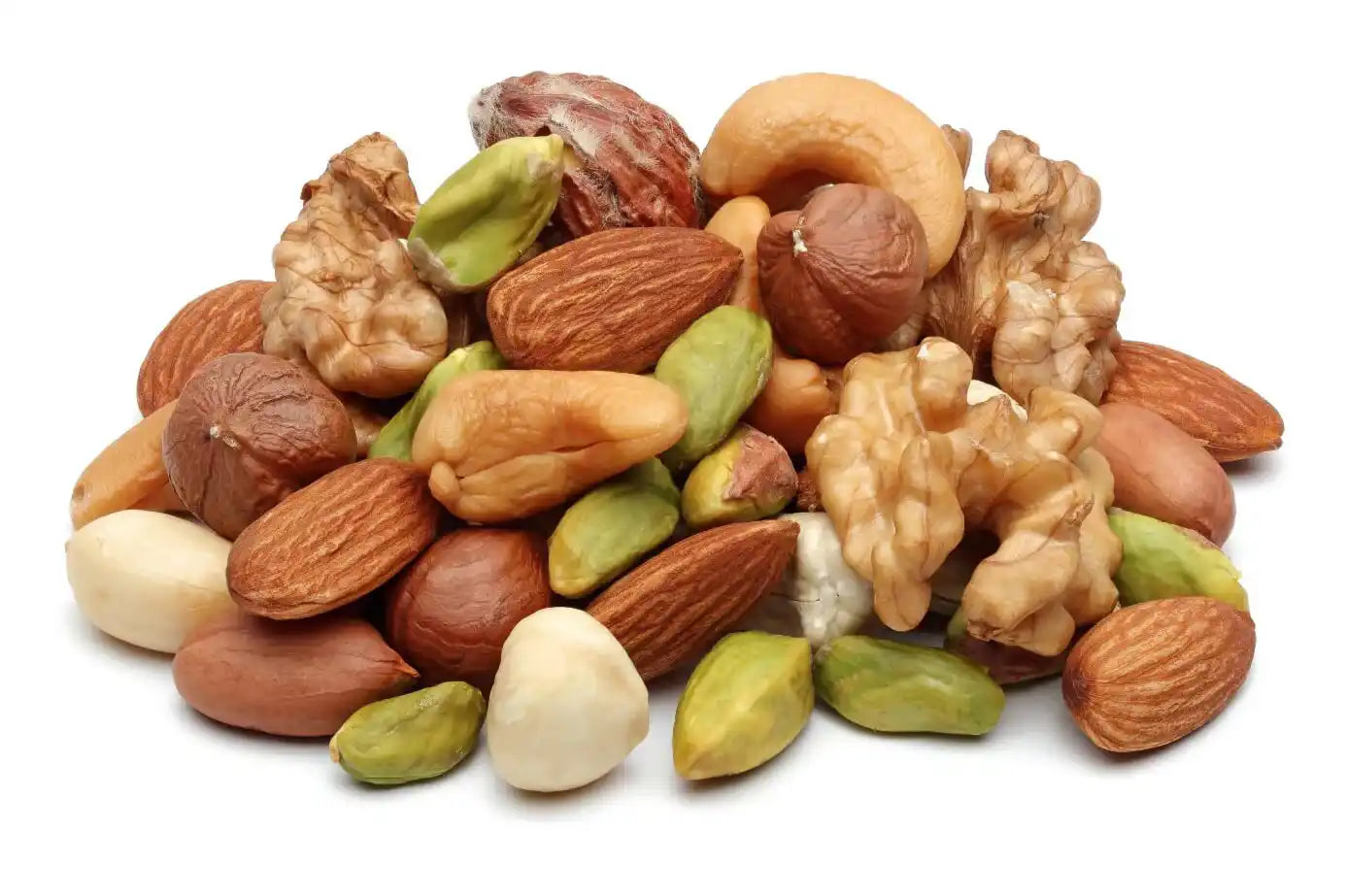
Explore Our Premium Nuts Collection
Discover our delicious selection of premium nuts, from crunchy almonds and creamy cashews to rich walnuts and mixed nuts. Naturally packed with protein, healthy fats, and essential nutrients, our nuts are perfect for everyday occasions.
Shop Premium NutsConclusion
Choosing the best nuts for elderly adults is really about finding options that fit the person, not chasing one "perfect" nut. Texture, appetite, existing health conditions, and how easily the nuts can be added to everyday meals all matter. A varied approach is usually more useful than relying on the same type every day, and simple forms such as chopped nuts or nut butter can make them much easier to enjoy. If you are shopping in the UK, explore the range at NutsOasis and choose the varieties, textures and pack sizes that best suit your needs. Start with a small selection, see what is easiest to eat regularly, and build from there.
FAQS
What are the top 5 healthiest nuts?
There is no official top-five ranking, but walnuts, almonds, pistachios, cashews and pecans are all nutrient-rich choices. Each offers a slightly different mix of fats, protein, vitamins and minerals, so rotating between them is more useful than relying on one variety.
What are the healthiest nuts?
The healthiest nuts are generally plain, minimally processed varieties without heavy coatings, excess salt or added sugar. The best choice also depends on the person's health needs, appetite and ability to eat them comfortably.
Are peanuts good for old people?
Yes, although peanuts are technically legumes, they provide protein, unsaturated fats, niacin and other nutrients. Plain peanuts or smooth peanut butter can be useful options, provided there is no peanut allergy and the product suits the person's diet.
Is nut butter as nutritious as whole nuts?
It can be very similar nutritionally when it is made mainly from nuts. Check the ingredients, as some products contain added sugar, palm oil, or large amounts of salt. A 100% nut butter is usually the simplest option.
Are roasted nuts still healthy for older adults?
Yes, dry-roasted nuts can still provide valuable nutrients. Roasting may slightly alter certain heat-sensitive compounds, but it does not remove the overall nutritional value of the nuts.