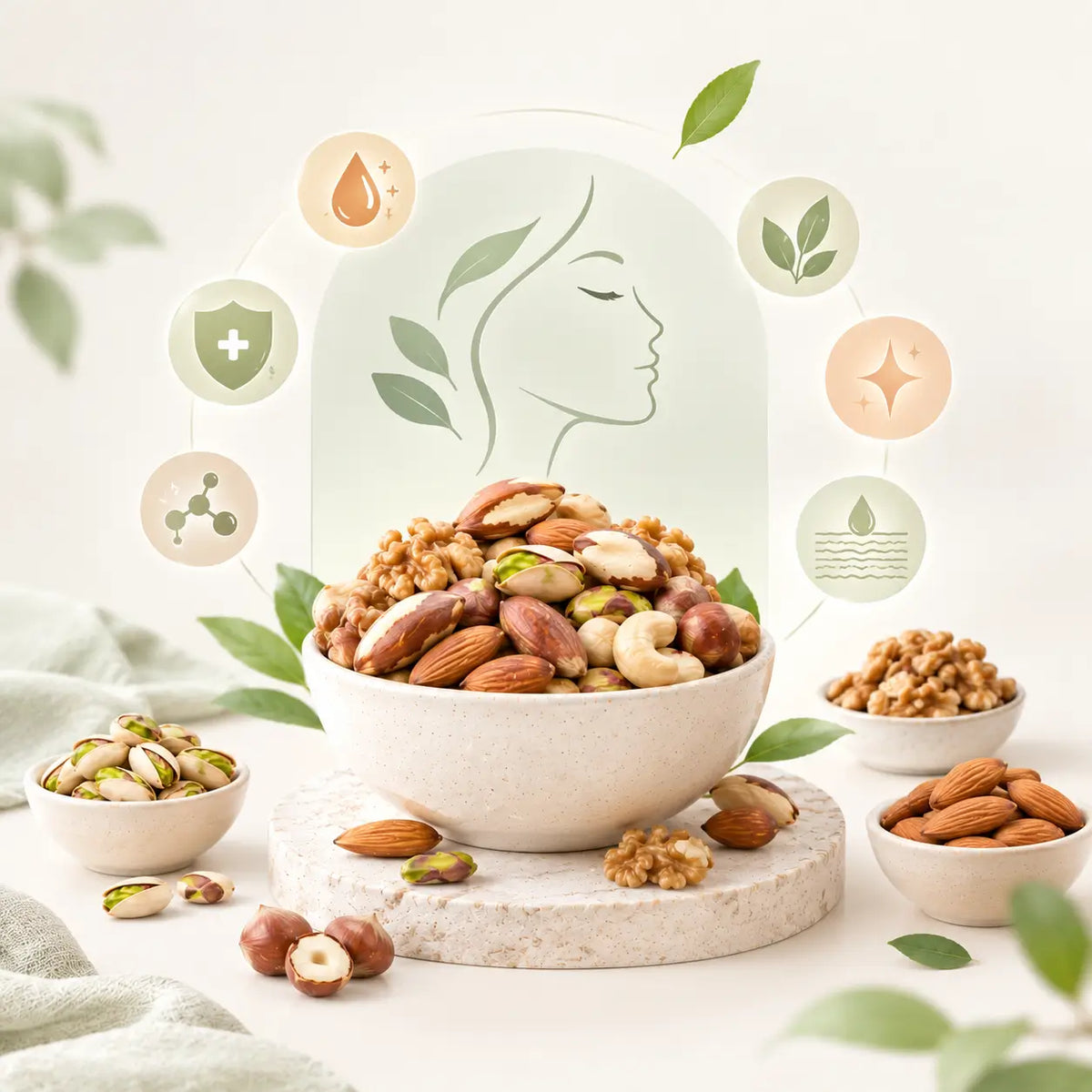

Best Nuts for Zinc and How Much You Need Daily
Do nuts have zinc? Yes, but not all nuts provide the same amount, and even the strongest choices should be viewed as part of a varied diet. Cashews, pine nuts, and pecans each offer different nutritional advantages, while several seeds supply considerably more zinc per serving. Rather than relying on vague rankings, this guide compares the Best Nuts for Zinc using practical 30g portions. You will also learn how preparation affects absorption, when supplements require caution, and how to choose zinc-rich nuts from NutsOasis for meals and snacks.
Healthiest Nut for You Cashews Hazelnuts and Pecans
What Is Zinc?
- Only a small amount of zinc is needed. Even so, this mineral takes part in hundreds of enzyme reactions, including those linked to cell growth, DNA production, immunity, and tissue repair. Taste and smell depend partly on adequate zinc levels.
- Zinc intake can be below recommended levels in some UK population groups, particularly among certain children and teenagers, making food sources such as nuts and seeds worth paying attention to.
- Zinc is involved in cell growth and division, DNA and protein synthesis, immune function and wound healing. Adequate zinc is also important for normal taste and smell, while zinc deficiency can affect both senses.
- The body has no dedicated zinc store to draw upon for long periods, so food needs to provide it regularly. Zinc from meat and shellfish is generally absorbed more readily than zinc from many plant foods, but plant foods still make a useful contribution. Nuts, seeds, beans and wholegrains all contain zinc. Looking at the Best Nuts for Zinc shows which varieties provide more within a serving.
Benefits of Nuts for Heart, Weight, and Daily Snacking
Can Nuts Provide Enough Zinc?
- Not usually on their own. Nuts can make a useful contribution, but an ordinary serving rarely provides an adult's full daily zinc requirement.
- The UK Reference Nutrient Intake (RNI) places daily needs at about 9.5mg for men and 7mg for women. A 30g serving of most nuts provides only part of that amount.
- Cashews and pine nuts are stronger choices, yet portion size matters. Eating several servings to obtain all the required zinc would also add substantial energy.
- Nuts for Zinc work as one part of a varied diet containing beans, lentils, wholegrains, dairy foods, eggs, meat or shellfish, according to dietary preference.
- Zinc from plant foods is not absorbed as readily as zinc from many animal foods. Phytate, a natural compound in nuts, seeds and grains, can bind some of the mineral during digestion.
- A person eating a varied diet can still obtain adequate zinc from food. Anyone with a restricted diet, digestive disorder, or suspected deficiency should seek professional advice rather than increasing nuts or taking supplements without assessment.
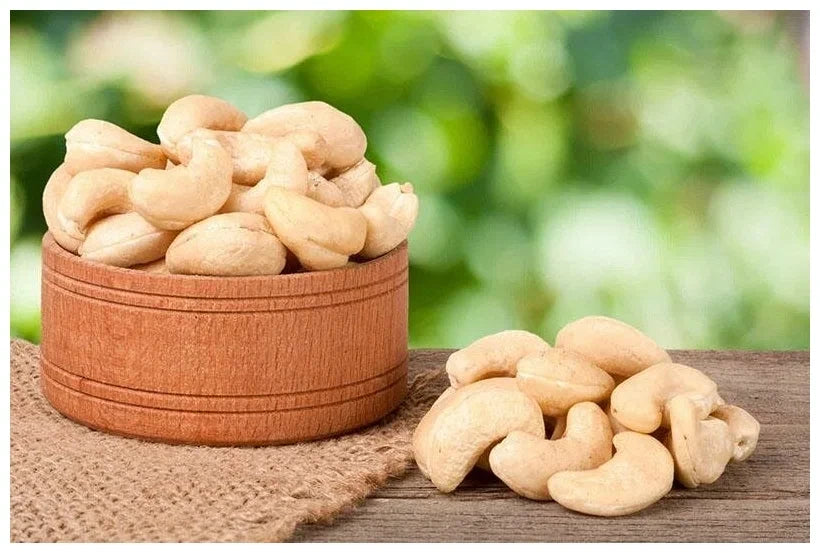
Explore Our Cashew Collection
Discover our premium cashews, loved for their naturally creamy texture, delicate flavour, and satisfying crunch. Perfect for snacking, baking, cooking, or adding a delicious touch to your favourite recipes.
Shop CashewsWhat Is the Best Nut for Zinc?
- Cashews stand out because a 30g portion usually provides about 1.5–1.8mg of zinc, depending on the product and database.
- That amount is meaningful for a serving, yet it should be counted as a contribution rather than a complete daily supply.
- Searches for which nuts have the most zinc can produce different rankings. Pine nuts sometimes rank slightly higher, although values vary by source and product.
- Cashews are available, easy to portion, and suitable for porridge, yoghurt, salads, curries, and nut butter. These qualities make them easier to eat regularly.
- The Best Nuts for Zinc include plain or dry-roasted cashews without added salt, sugar, or flavoured coatings. Roasting does not significantly reduce the zinc content of cashews, although the amount per 100g may change slightly as moisture is lost.
- Cashews also provide copper, magnesium, protein and unsaturated fat. These nutrients add value, but they do not turn a large serving into a low-energy food.
- A 30g portion offers a balance between zinc intake and energy, especially when used to replace sweets or heavily processed snacks.
Different Types of Nuts Explained with Health Benefits
What Are the Best Nuts for Zinc?
Using a fixed 30g portion makes comparison easier because the weight of a typical handful varies considerably between nut varieties.
| Nut | Approximate Zinc per 30g |
|---|---|
| Pine nuts | 1.9mg |
| Cashews | 1.7mg |
| Pecans | 1.4mg |
| Brazil nuts | 1.2mg |
| Almonds | 0.9mg |
| Walnuts | 0.9mg |
| Hazelnuts | 0.8mg |
| Pistachios | 0.7mg |
This comparison of the Best Nuts for Zinc answers which nuts have the most zinc by weight, although quantity is not the only buying consideration. Cost, flavour, allergies, and the amount normally eaten also matter.
Best Nuts for Selenium Brazil Nuts Portions and Safety
What Are Seeds That Outperform Nuts for Zinc?
- Hemp seeds usually provide close to 3mg of zinc per 30g, placing them above most nuts.
- Pumpkin and squash seeds supply around 2.2–2.4mg per 30g. They are easy to add to porridge, yoghurt, salads or bread without changing the meal.
- Sesame seeds can provide 2.2mg in the same portion, although 30g is more than a light sprinkle. Tahini may be a practical way to eat that quantity.
- Sunflower seeds contain about 1.5mg per 30g, so they exceed many nuts but sit below pine nuts and cashews.
- Chia seeds contribute about 1.4mg per 30g. Their value includes fibre and plant omega-3, rather than zinc alone.
- Looking only at nuts can overlook seeds that provide more zinc in the same serving. The Best Nuts for Zinc have a place, but combining them with seeds improves nutritional variety.
- Figures can vary by product. Plain, unsalted seeds make comparison easier and avoid turning a useful source of zinc into a heavily salted or sugar-coated snack.

Explore Our Seeds Collection
Discover our premium selection of seeds, offering a delicious combination of natural flavour, texture, and versatility. Perfect for snacking, baking, or adding a nutritious crunch to your favourite meals.
Shop SeedsNuts vs Seeds (Comparison Per 30g):
| Point | Nuts | Seeds |
|---|---|---|
| Serving | A 30g serving keeps the comparison fair because handfuls vary by nut size. | A 30g serving also helps compare seeds, where tablespoons can be misleading. |
| Highest | Pine nuts lead the nut group at about 1.9mg zinc per 30g. | Hemp seeds lead the seed group at around 3 mg of zinc per 30g. |
| Strong options | Cashews provide about 1.7mg, while pecans provide about 1.4mg. | Pumpkin seeds provide about 2.3mg, and sesame seeds about 2.2mg. |
| Moderate options | Almonds and walnuts each provide around 0.9mg per 30g. | Sunflower seeds provide close to 1.5mg, higher than almonds and walnuts. |
| Practicality | The Best Nuts for Zinc bring texture, plant protein, and unsaturated fat in an easy snack portion. | Seeds are more zinc-dense, but eating 30g of sesame seeds may feel less natural than a handful of cashews. |
| Absorption | Nuts contain phytates, which can reduce zinc absorption. | Seeds also contain phytates, which can reduce zinc absorption. |
| Best use | Use nuts for easier snacking, crunch and steady weekly variety. | Use seeds to raise mineral intake in porridge, salads, yoghurt and homemade mixes. |
Seeds are generally more zinc-dense per 30g, but nuts are often easier to eat as a regular snack. Using both across the week is more practical than treating them as rivals.
Nuts and Seeds Online Packs for Every UK Kitchen
How to Improve Zinc Absorption From Nuts?
- Phytate in nuts can bind zinc, reducing the amount absorbed. This does not make nuts unhealthy; it affects how their zinc value should be interpreted.
- Soaking may lower phytate, but evidence for nuts is inconsistent. If nuts are soaked, keep them refrigerated and dry them to limit microbial growth.
- Roasting improves flavour and texture, yet it should not be treated as a guaranteed way to release more zinc.
- Eating nuts in a varied meal is more useful than relying on preparation tricks. Eggs, dairy foods, meat or fish can add zinc that is absorbed more readily, where suitable for the diet.
- Fermentation and yeast leavening can reduce phytate in grain-based foods. This may lower the total phytate content of the meal, but it should not be presented as a guaranteed way to increase zinc absorption from the nuts themselves.
- Nuts rich in zinc need sensible portions. Increasing the amount adds energy without ensuring that every extra milligram is absorbed.
- Vitamin C improves non-haem iron absorption, but it should not be presented as an equally reliable zinc-absorption solution.
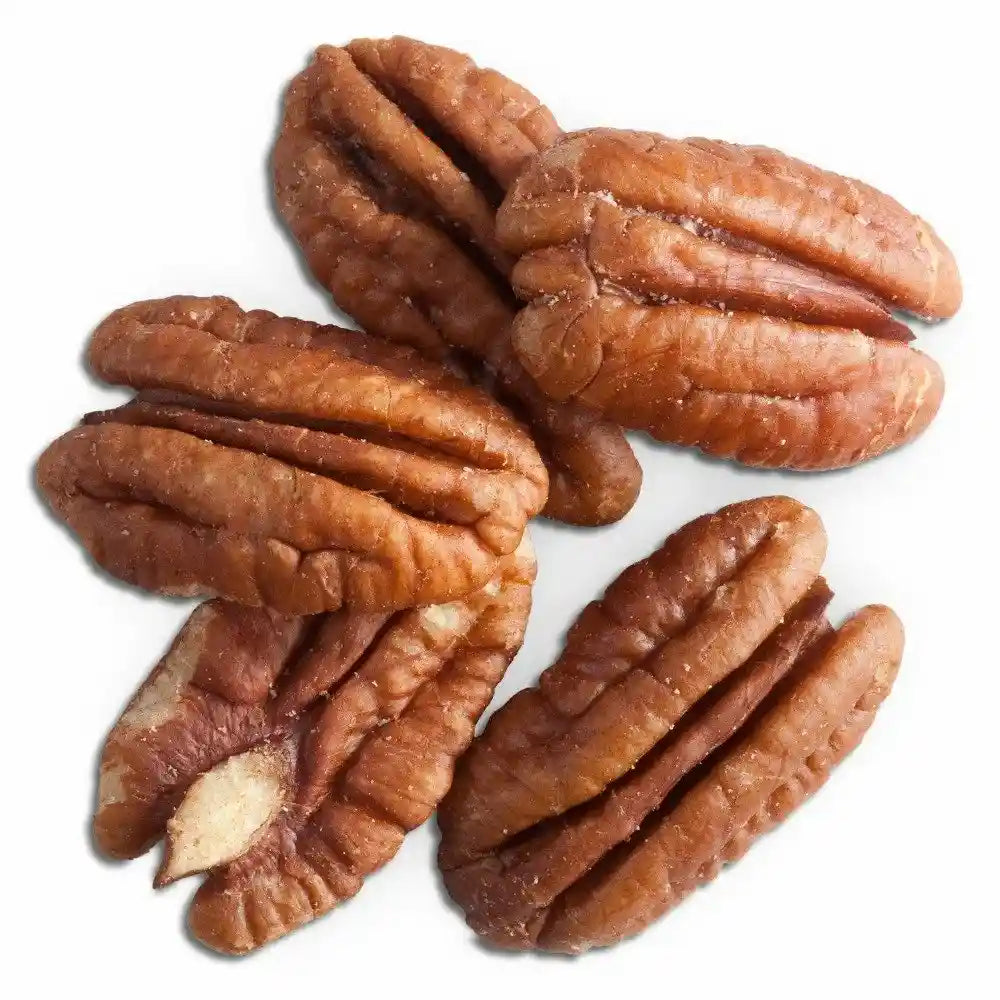
Explore Our Pecan Collection
Discover our premium pecans, known for their naturally rich flavour, delicate crunch, and buttery texture. Perfect for snacking, baking, or adding a delicious touch to your favourite recipes.
Shop PecansWhat Are the Health Benefits of Zinc?
- Zinc has an essential role in immunity. It helps immune cells respond; it does not make the body resistant to infection. This matters when considering zinc for immune system support.
- Cuts and damaged skin require repair work. Cells divide, build proteins, and replace tissue — processes that use zinc. This is the basis for linking zinc to wound healing, particularly when someone is deficient.
- Skin renewal continues. Adequate zinc for skin health supports that turnover, but zinc tablets are not a stand-alone answer for acne, eczema, or an unexplained rash.
- Taste and smell may become weaker when zinc intake is too low. Appetite can fall.
- Growth and reproductive health need zinc as well. It participates in hormone metabolism and sperm development, though taking extra zinc will not automatically raise testosterone.
- Nuts high in zinc offer a food-based contribution rather than a treatment. Cashews, pine nuts and pecans bring protein, fats and minerals, making them more useful within a diet than as a single-purpose "zinc fix".
Omega-3 Rich Nuts Which Ones Have the Most ALA
Best Nuts for Zinc by Health Goal:
- Cashews are a practical everyday choice for increasing dietary zinc. Thirty grams makes a sensible snack, and the flavour works in porridge, curry or a lunchbox.
- Pine nuts contain slightly more zinc by weight. They are usually eaten as a topping or in pesto, not by the handful, so the amount eaten may be smaller.
- For zinc for hair loss, look beyond zinc. Cashews add zinc, protein and iron, but hair shedding may come from genetics, illness, thyroid problems, stress or medicines.
- This caution applies to zinc for testosterone. Correcting a deficiency can matter; taking extra zinc when levels are adequate is unlikely to create a rise.
- Walnuts contain less zinc, yet their ALA omega-3 makes sense when heart health shapes the choice. Pistachios offer moderate zinc with protein and fibre for a filling snack.
- High-zinc nuts therefore change with the purpose. Cashews suit regular snacking, pine nuts provide greater zinc density, and walnuts or pistachios may better fit the wider diet. Symptoms still require assessment.
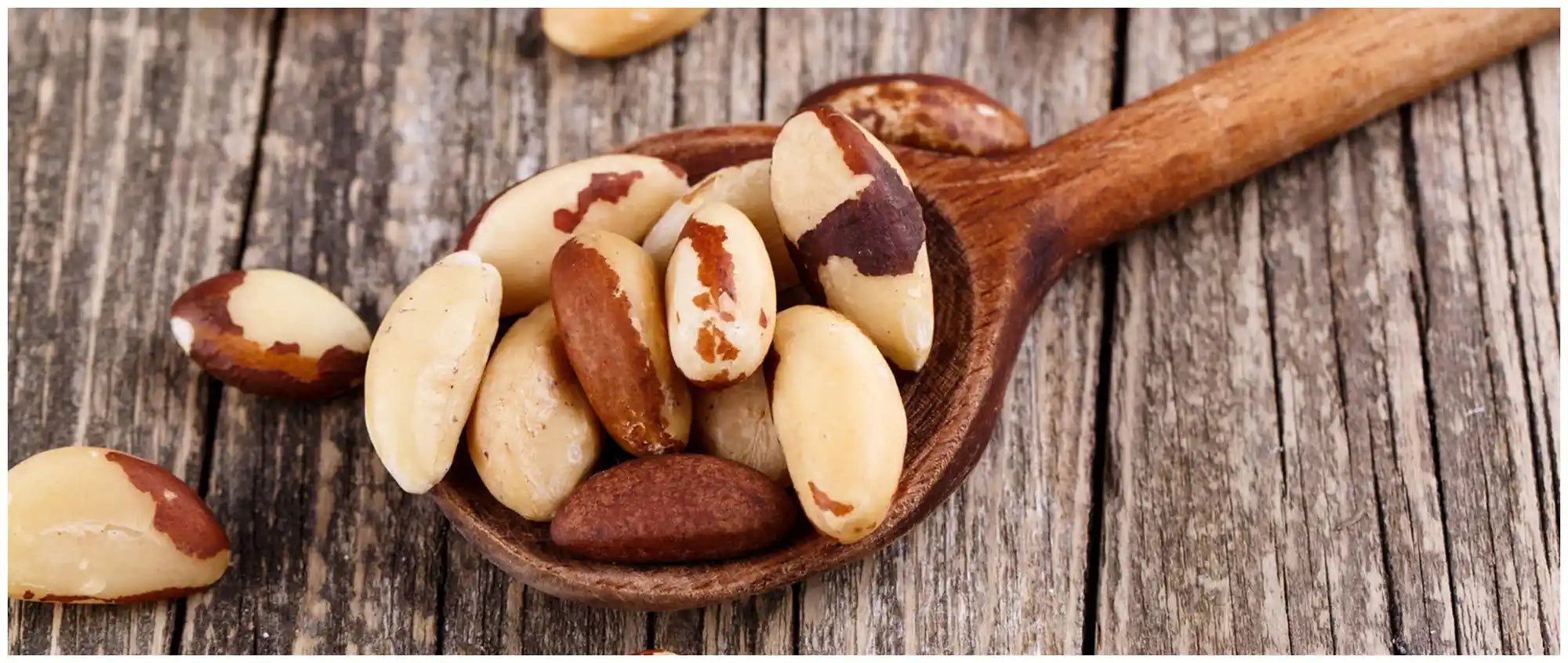
Explore Our Brazil Nuts Collection
Discover our premium Brazil nuts, known for their rich, creamy flavour and satisfying crunch. Enjoy them as a convenient snack or add them to your favourite recipes for a delicious and naturally nutritious choice.
Shop Brazil NutsHow Much Zinc Is Safe to Get From Nuts and Supplements?
- Zinc from portions of nuts is unlikely to reach a harmful level. The practical limits are energy intake, allergies and the balance of the diet.
- The UK Reference Nutrient Intake (RNI), set by the Department of Health, gives daily zinc requirements of about 9.5mg for men and 7mg for women aged 19 to 64. These are target intakes, not maximum limits.
- The NHS advises taking no more than 25mg of zinc from supplements unless a doctor recommends it. It refers to supplements, not a target to reach.
- Check labels before combining a multivitamin, a zinc tablet and cold lozenges. Each product may add to the daily total.
- Too much supplemental zinc can cause nausea, stomach pain, vomiting or diarrhoea. Continued high intake may interfere with copper absorption and contribute to anaemia or neurological problems.
- Zinc supplements can interact with tetracycline or quinolone antibiotics and penicillamine. Anyone using these medicines should ask a pharmacist or doctor how to separate the doses safely.
- The Best Nuts for Zinc provide food-based amounts. Supplements are better reserved for a need, a restricted diet, or professional advice rather than taken for immunity, hair, or hormones.
Nuts for Hair Growth Which Types Work and How to Eat
How to Eat More Zinc-Rich Nuts Every Day?
- Measure 30g portions into containers each week. This keeps the serving visible and discourages eating directly from a large bag.
- Scatter chopped cashews over porridge; they stay crisp and remove the need for a snack.
- Blend pine nuts or cashews into pesto for savoury dishes. They need not be eaten plain.
- Keep the Best Nuts for Zinc near everyday foods. A jar is more helpful than a forgotten packet at the back of a cupboard.
- Mix cashews with pumpkin or hemp seeds. The seeds raise the zinc content, while nut pieces make the mixture easier to eat slowly.
- Use unsalted nut butter on toast, apple slices or oatcakes. Check that nuts are the main ingredient and watch for added sugar or palm oil.
- Replace biscuits or crisps with nuts several times a week, rather than adding them on top of existing snacks.
- For children, use ground nuts or smooth nut butter because whole nuts can be a choking hazard. Follow allergy advice when introducing them.
Are Brazil Nuts Good for You? Selenium Portions and Risks
Where Can I Buy the Best Nuts for Zinc in the UK?
- UK shoppers can order zinc-containing nuts from NutsOasis, which lists raw cashews, raw pecans, mixed raw nuts and other varieties.
- Raw cashews are a practical choice for shoppers who want a zinc-rich nut that works for both snacking and cooking. NutsOasis offers them in 100g, 250g, 500g and 1kg packs, so buyers can choose a quantity that matches how often they eat them.
- Mixed raw nuts are useful for shoppers who prefer several varieties in one pack. The blend includes cashews, almonds, pecans, Brazil nuts, hazelnuts, walnuts and pistachio kernels, although its zinc content will vary with the pieces in each portion.
- When shopping for the Best Nuts for Zinc, choose plain products. Honey, chocolate, salt or flavoured coatings do not improve zinc content and may add sugar or sodium.
- Read the ingredient and allergen sections. NutsOasis states when items are handled alongside peanuts, sesame, dairy or other tree nuts.
- Compare the price per 100g rather than the bag price. A larger pack may cost less per 100g, but it offers good value only when it can be used before the nuts lose their freshness.
- Before checkout, confirm delivery charges and current offers. Store the order carefully as directed once it arrives.
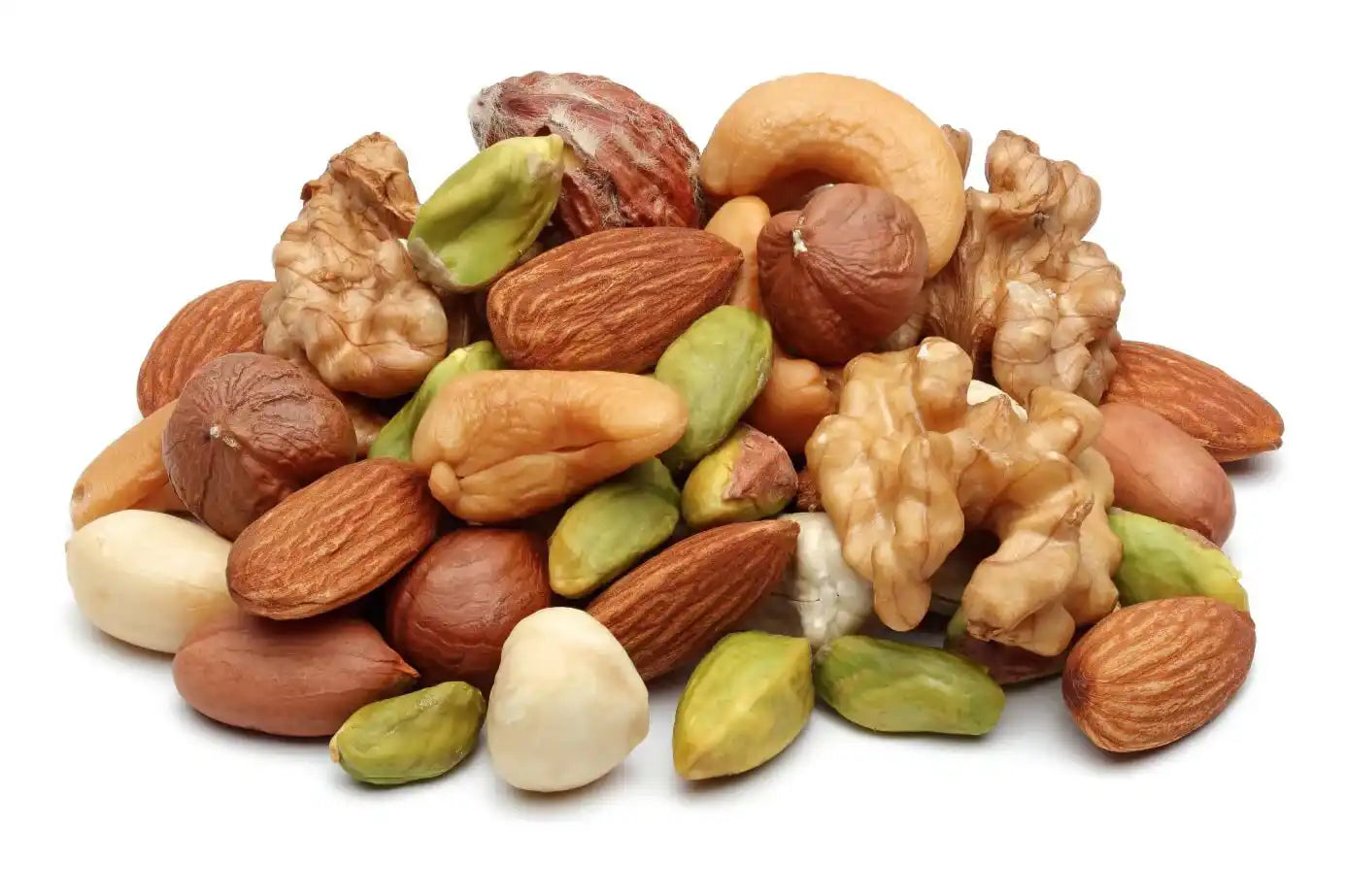
Explore Our Nuts Collection
Discover our selection of premium nuts, from classic favourites to delicious mixed varieties. Carefully selected for their quality, flavour, and satisfying crunch, they’re perfect for everyday snacking, sharing, or adding to recipes.
Shop NutsConclusion
Nuts can contribute to zinc intake without needing to dominate the diet. Pine nuts provide the highest amount by weight, while cashews are often easier to buy, portion and use regularly. Seeds remain the stronger option when zinc concentration is the priority. Choosing the Best Nuts for Zinc therefore means balancing mineral content with serving size, flavour and the rest of the diet. Plain nuts, sensible portions and varied food sources offer a more dependable approach than relying on one product or taking supplements without a clear need.
FAQS
What happens to zinc when nuts are roasted?
Zinc does not break down in oven heat in the way some vitamins can. Any difference shown per 100g usually comes from moisture loss rather than the mineral disappearing.
Is nut butter a useful zinc source?
Yes, when it is made mostly from nuts. The amount eaten still counts: one spoonful may be much smaller than a 30g handful. Added chocolate, sugar or oils do not contribute extra zinc.
What about zinc in nut milk?
It depends on the brand. Water makes up most of the drink, and the nut content may be quite low. The nutrition panel is more reliable than the product name, especially when zinc has been added during manufacturing.
Can low zinc be recognised from symptoms alone?
No, poor appetite, altered taste, hair shedding and skin changes overlap with many other problems. Diet, medicines and medical history all need considering before zinc deficiency is blamed.
Does grinding release more zinc?
Grinding changes the physical form of the nuts but does not create additional zinc. It may make nuts easier to incorporate into meals, but phytates can still affect zinc absorption. Grinding alone should therefore not be assumed to cause a large improvement in zinc absorption.