
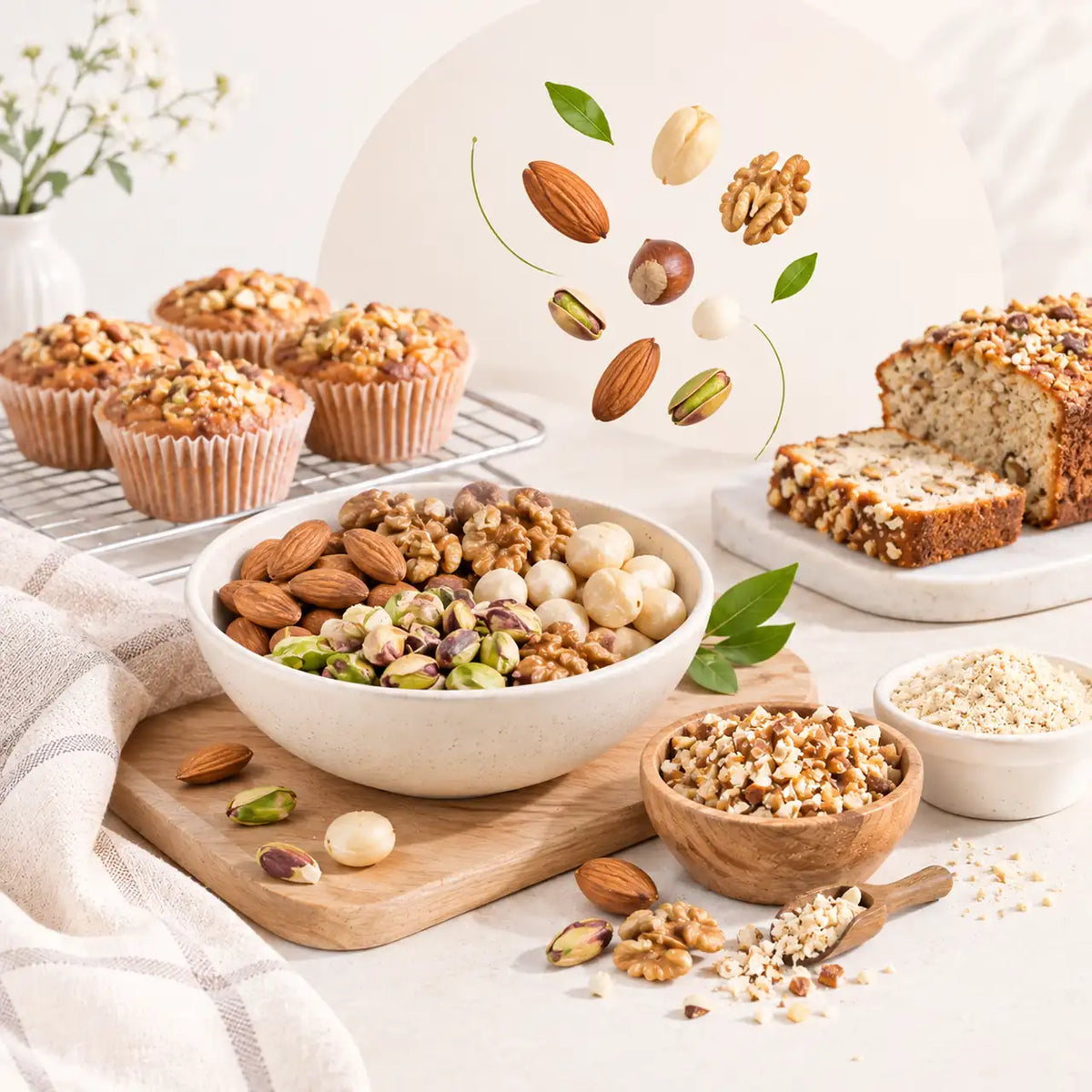
Nuts for Baking How to Choose and Store Them
A successful nut-based bake depends on more than adding a handful to the mixture. Different varieties respond to heat in their own way, and the same nut can produce a different result when used whole, chopped or ground. The right nuts for baking can improve flavour, enrich texture and give a familiar recipe a more distinctive finish. From preparing almonds and hazelnuts to handling walnuts, pecans and pistachios, this guide offers practical guidance for choosing and storing quality products available from NutsOasis in the UK.
Why Nuts Make Such a Difference in Baking?
- Good nuts for baking add contrast that flour, sugar and butter cannot create alone. A soft cake feels more interesting with a scattered crunch, while a crisp biscuit gains a richer centre from chopped kernels.
- Oven heat releases aromatic compounds within the nuts. This is why their flavour often becomes warmer and more pronounced during baking, even when the recipe uses only a modest amount.
- Nuts can also balance sweetness. Walnuts and hazelnuts bring a slight bitterness, whereas pecans and cashews have a gentler, naturally sweeter character.
- Size changes the final result. Ground nuts blend into the crumb, fine pieces distribute flavour, and larger chunks remain clearly visible in cookies, brownies or traybakes.
- Toasting nuts is useful when the recipe has a short cooking time, but it is not always necessary. Nuts placed on top of a loaf or cake will already receive direct heat, so pre-toasting them may leave the edges too dark.
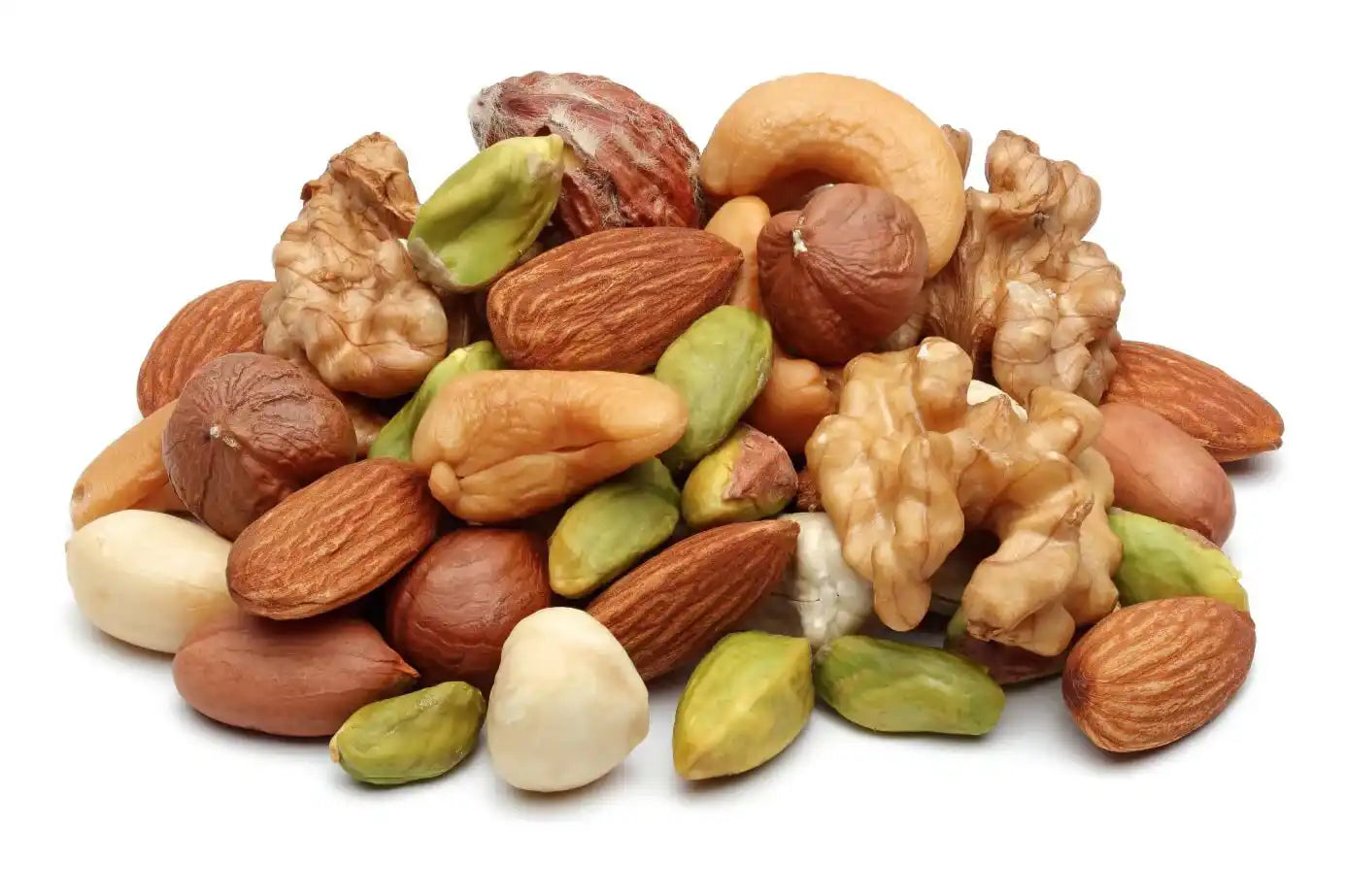
Explore Our Nuts Collection
Discover our wide selection of premium nuts, from classic favourites to delicious mixed varieties. Perfect for everyday snacking, sharing, baking, or adding a satisfying crunch to your favourite recipes.
Shop NutsThe Golden Rules of Baking with Nuts:
- Measure nuts for baking with scales rather than handfuls. Too many can make a cake heavy, spoil slices, and upset the balance between batter and pieces.
- Cut them to similar sizes for even baking. Large chunks may scorch while fine crumbs disappear into the bake.
- Taste a kernel first. Fresh nuts should smell clean, never waxy, sour or paint-like. Heat cannot repair rancid oils.
- If nuts are toasted beforehand, let them cool completely. Warm kernels may soften butter, loosen dough, or begin melting chocolate before baking.
- Fold them in at the end and stop once they are distributed throughout the mixture. Extra mixing may develop more gluten in wheat-based batter and produce a tougher result.
- Use wide varieties thoughtfully. Macadamia nuts for baking contain fat, so modest pieces often work better than large amounts.
- Watch exposed toppings near the end. Nuts brown faster than the cake beneath them; cover loosely with foil if they darken before the centre is baked.
Nuts for Salads Best Varieties and Pairings
When to Use Each of Coarsely Chopped, Finely Chopped, or Ground Nuts?
| Cut Size | Purpose & Characteristics | Suitable Uses |
|---|---|---|
| Coarsely Chopped | Provides pockets of flavour and a bite. | Cookies, brownies, fruit cakes and loaf cakes. |
| Finely Chopped | Spreads evenly through batter or dough. Prevents pieces from making slicing awkward. | Muffins, traybakes and biscuits. |
| Ground Nuts | Acts like a dry ingredient. Softens the crumb, adds richness, and can make a bake denser (contains fat but no gluten). Do not replace flour unless the recipe was designed for it, as it affects structure, moisture, and how the bake sets. | Recipes specifically designed for ground nuts. |
Additional Baking Tips:
-
Processing Almonds: Use short pulses. Continuous processing warms the oils and may turn the nuts into a smooth paste.
-
Match the Cut to the Mixture: Thick dough can hold larger pieces, while thin batter usually distributes fine or ground nuts more reliably.
-
Measuring Weight: Whichever form you choose, measure nuts for baking after chopping or grinding if the recipe gives a prepared weight.
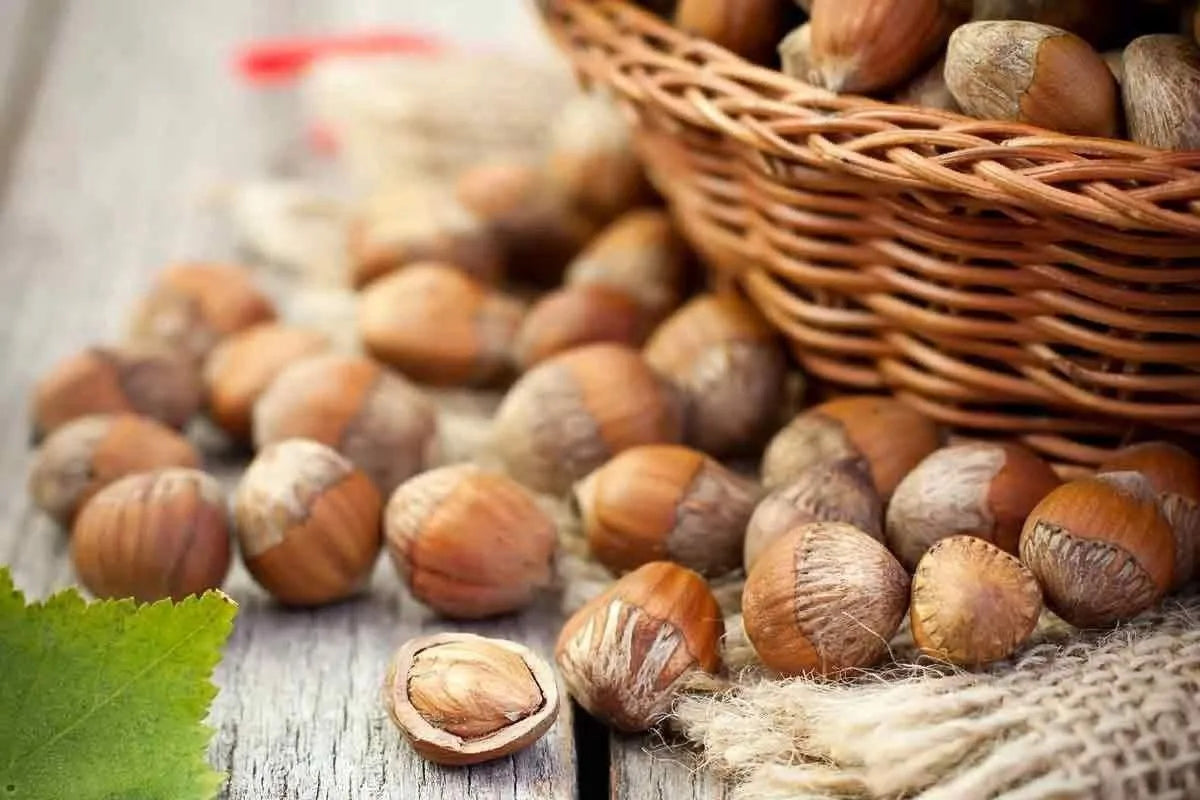
Explore Our Hazelnut Collection
Discover the rich, naturally sweet flavour and satisfying crunch of our premium hazelnuts. Perfect for snacking, baking, or adding a delicious nutty touch to your favourite recipes.
Shop HazelnutsWhy Blanch Almonds and Hazelnuts for Baking?
- Removing the skins gives nuts a paler colour and smoother finish. This matters in marzipan, frangipane, macarons and light-coloured cakes where dark flecks show.
- Almonds are blanched by covering them with boiling water, draining, then slipping off the skins while the kernels are warm.
- Hazelnuts behave differently. Their skins loosen after roasting, so rub the warm nuts in a tea towel rather than soaking them.
- Skin removal can soften bitterness, but it is not compulsory. Keeping the skin adds colour, flavour and fibre, which may suit darker cakes, biscuits or rustic loaves.
- If you plan to bake hazelnuts into a pale sponge or grind them for a filling, removing most of the skin gives a cleaner result.
- Dry blanched nuts thoroughly before grinding or adding them to dough. Surface moisture can produce a paste in the food processor and alter the mixture.
- Choose the preparation according to the recipe; nuts do not always need to look perfectly pale.
Nuts for Brain Function That Support Memory and Focus
How to Use Almonds in Baking?
- Ground almonds work in sponge cakes, friands and frangipane because their oil keeps the crumb tender and adds moisture.
- They contain no gluten, however, so do not swap them gram for gram with wheat flour unless the recipe was developed for that substitution; the cake may lose structure or remain undercooked in the centre.
- Roughly chopped almonds give biscotti, cookies and fruit loaves a firm bite. Cut them evenly so small fragments do not burn before the larger pieces are toasted.
- Flaked almonds make a light topping for buns and tarts. Press them gently into the surface, then cover with foil if they colour before the bake is finished.
- Skin-on almonds bring a deeper, earthier flavour, while blanched ones suit pale batters and smooth fillings.
- Properly baked almonds smell warm and nutty; a sharp, bitter taste usually signals scorching.
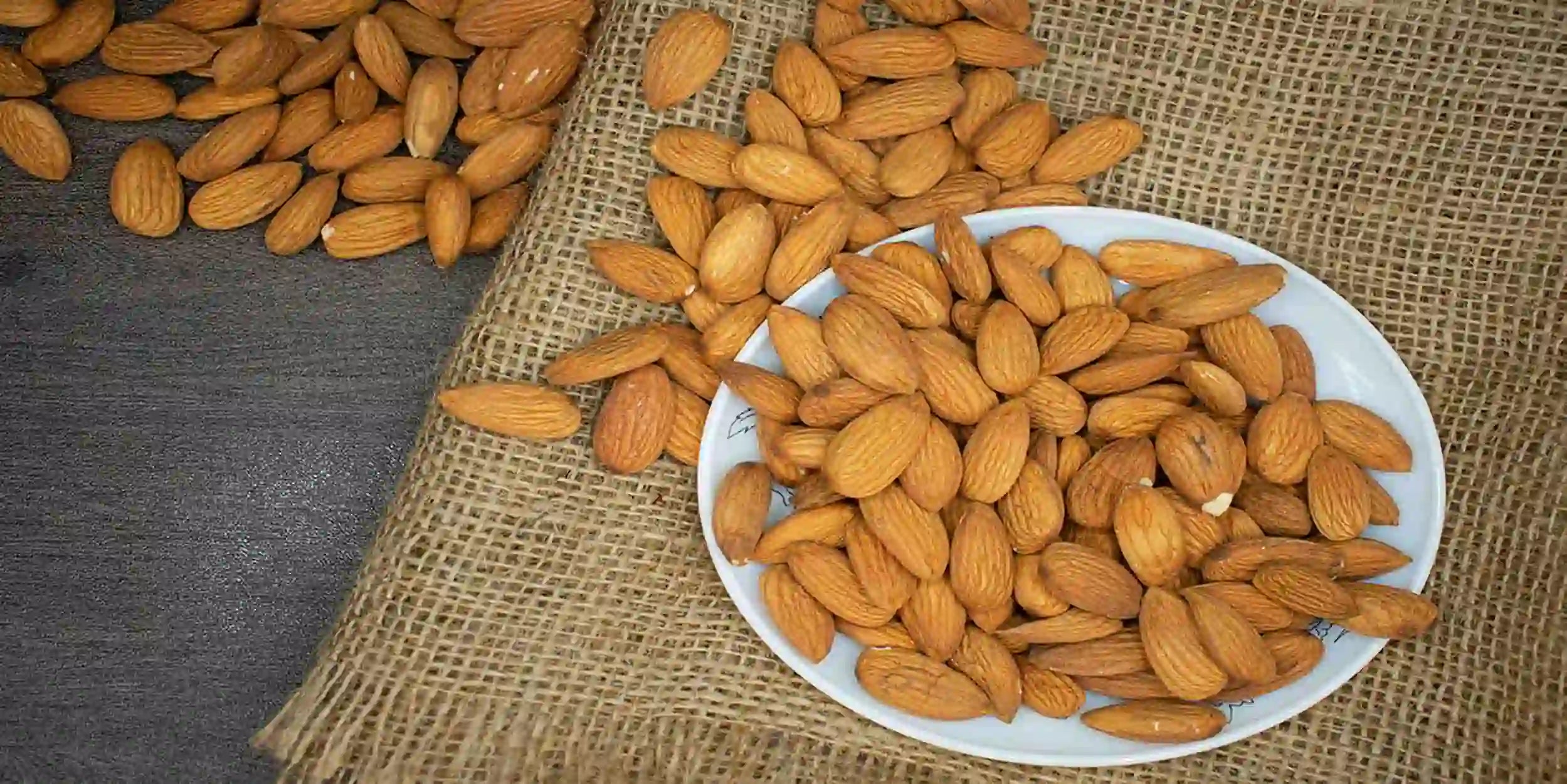
Explore Our Almond Collection
Discover our premium selection of almonds, offering a naturally satisfying crunch and rich, nutty flavour. Perfect for snacking, baking, or adding a delicious texture to your favourite recipes.
Shop AlmondsHow to Use Walnuts in Baking?
- Walnuts bring an earthy bitterness that balances brownies, banana bread, and coffee cake, preventing an excessively sweet finish.
- Chop them into medium pieces. Walnut dust can absorb moisture and darken the mixture, while large pieces may sink or make slices break apart.
- Fold the pieces in when the flour is nearly incorporated. This limits mixing and helps cakes remain tender rather than dense.
- Walnut halves make a topping for buns and loaf cakes. Press them in so they stay attached after baking.
- Properly baked walnuts should smell warm and taste mellow. If they become dark, their bitterness turns harsh, so shield the top with foil when necessary.
- Taste one before adding the batch. A paint-like smell or sharp flavour indicates rancid oils, and baking will not correct them.
Nuts for Hair Growth Which Types Work and How to Eat
How to Use Pecans in Baking?
- Pecans are softer than almonds and less bitter than walnuts, so they suit bakes with a gentle crunch.
- Choose pecans for baking with sound kernels. Halves are useful for decorating pies, while pieces spread more evenly through cookies, muffins and traybakes.
- Their buttery flavour pairs with apple, pear, banana, cinnamon, coffee and dark chocolate. Sweet syrups can overwhelm them, so balance caramel or maple fillings with a pinch of salt.
- In moist pie fillings, place pecan halves on top shortly before baking instead of soaking them; this helps preserve their shape and texture.
- Although pecans provide unsaturated fats, fibre, manganese and copper, they remain energy-dense. A modest quantity adds flavour without making the bake unnecessarily heavy.
- When comparing nuts for baking, remember that pecans break easily. Stir them in gently and reserve halves for the surface.
- Well-baked pecans develop a pleasant aroma and deeper colour. Taste a cooled piece before serving, since excessive heat may leave an acrid aftertaste.
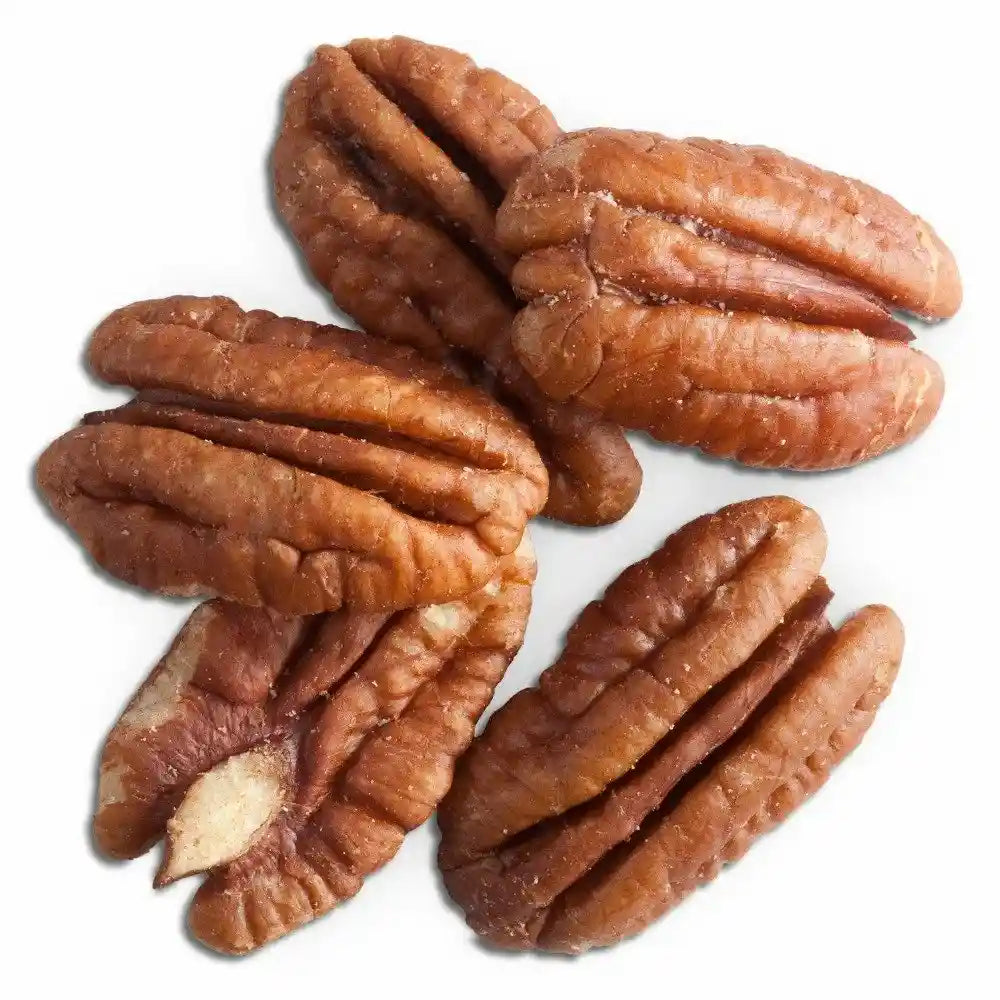
Explore Our Pecan Collection
Discover the rich, buttery flavour and satisfying crunch of our premium pecans. Perfect for snacking, baking, or adding a delicious nutty touch to your favourite recipes.
Shop Pecan NutsHow to Use Pistachios, Cashews and Pine Nuts in Baking?
- Pistachios add colour and a sweet flavour to cakes, biscuits and pastries. Choose unsalted kernels; salted snack varieties can change the bake's flavour.
- For buttercream, ganache or buns, pistachio paste for baking gives a smoother finish than chopped kernels. Check whether it is sweetened before adjusting the recipe's sugar.
- Cashews have a creamy character that suits blondies, shortbread and spiced cakes. Chopped cashews soften slightly during baking, so use larger pieces for a firmer bite.
- Pine nuts are delicate and work well in Italian-style biscuits, fruit tarts and citrus cakes. Their small size suits decoration, but exposed kernels colour quickly.
- Treat each of these nuts according to its texture rather than treating them alike: pistachios retain firmness, cashews become tender, and pine nuts scorch easily.
- None makes a sugary bake automatically healthy. They contribute unsaturated fats, minerals, and protein, but portion size and added sugar still matter.
- Taste every batch first; rancid pine nuts can leave a bitter or metallic flavour.
The Best Workout Nuts for Your Gym Bag
Quick Ideas to Put This into Practice:
-
Banana bread: fold in medium walnut pieces at the end of mixing.
-
Frangipane tart: use ground almonds, blanched for a paler filling.
-
Chocolate cookies: coarse pecan pieces with a pinch of sea salt.
Best Nuts for Diabetics for Blood Sugar Control Snacks
Where to Buy Best Quality Nuts for Baking in the UK?
- NutsOasis stocks almonds, walnuts and pistachio kernels alongside pecans, with pack sizes available. This helps you match the quantity and type to a recipe.
- Unsalted kernels give you control over seasoning and roasting; flavoured snack packs may add extra salt or sugar, altering the bake.
- Check photographs for evenly coloured kernels. Fragments work in batters, but not when halves are needed for decoration.
- When ordering nuts for baking, choose a pack size you can finish soon. A low price offers little value if the remainder becomes rancid before use.
- Read the allergen statement when baking for others, because nuts may be packed where peanuts, sesame, dairy or other allergens are handled.
- On delivery, inspect the seal and taste one kernel. Report damaged packaging or stale flavour rather than hiding poor-quality nuts in a cake.

Explore Our Raw Nuts Collection
Discover our selection of premium raw nuts, naturally rich in flavour and texture. Perfect for snacking, baking, cooking, or enjoying as a simple and wholesome addition to your everyday diet.
Shop Raw NutsHow to Store Nuts for Baking?
Once opened, keep nuts for baking in an airtight, opaque container. Limiting contact with air slows oxidation of oils.
| Storage Method | Whole Kernels | Chopped/Ground Nuts |
|---|---|---|
| Cool, dark cupboard | Short-term storage; best used within a few months | Use sooner because cutting increases exposure to oxygen |
| Refrigerator | Can help preserve quality for up to a year or longer, depending on the nut and packaging | Generally shorter than whole kernels |
| Freezer | Can preserve good quality for a year or longer | Generally shorter than whole kernels |
- A cool, dark cupboard suits quantities used regularly, provided it stays dry and away from the oven, hob and direct sunlight.
- For longer storage, place nuts in the fridge. Use a tightly sealed container because kernels readily absorb moisture and strong odours from onions or cheese.
- Label each container with the nut type and freezing date. Ground nuts deteriorate faster than whole kernels because more surface area is exposed to air.
- Allow frozen nuts to reach room temperature while sealed. Opening the container too soon can let condensation settle on them and affect a cake mixture.
- Do not rely on baking to disguise spoilage. Discard nuts showing mould, dark patches, insect damage, or an unpleasant chemical taste.
Best Nuts to Lower Cholesterol and Support Healthy Heart
Conclusion
Good baking does not depend on using the most expensive nut; it depends on choosing the right variety, cut, and preparation for the recipe. Almonds can soften a sponge, walnuts balance sweeter flavours, pecans add buttery richness, and pistachios bring colour without needing elaborate decoration. Whatever nuts for baking you choose, begin with fresh kernels and use a quantity that supports the other ingredients rather than overwhelming them. A little care during preparation and storage protects their flavour, helping each batch taste considered, balanced and genuinely worth serving.
FAQS
Should nuts be measured before or after chopping?
Measure them in the form stated by the recipe. A cup of whole kernels does not contain the same weight as a cup of finely chopped nuts. Weighing provides the most consistent result.
Can nut butter replace ordinary butter in a cake?
Not directly. Nut butter contains nut solids as well as fat, so a complete substitution can produce a dense or dry cake. Use a recipe developed specifically for nut butter.
Are peanuts suitable for baked recipes?
Yes. Although peanuts are legumes, they work in cookies, brownies and flapjacks. Plain baked peanuts provide better control over salt and sweetness than heavily seasoned varieties.
Can I use nut flour in a yeast-based dough?
Only as a partial addition unless the recipe was developed around it. Nut flour contains no gluten, so using too much can reduce elasticity and prevent the dough from rising properly.