Peanuts Good for You A Complete Health and Diet Guide
Are peanuts good for you? For most people, the short answer is yes, and this guide shows you exactly why. From heart health to brain function, from salted snacking to dark chocolate peanuts, peanuts pack plant-based protein, fibre and healthy fats into one small handful. Keep reading to find out how much is enough, which type suits you best, and how to snack smarter every single day.
Is a Peanut Actually a Nut?
-
No, a peanut isn't a true tree nut — it's a legume. The edible seeds grow inside pods underground, which puts peanuts in the same family as beans, peas and lentils rather than almonds or walnuts.
-
That distinction matters for allergy labelling, but nutritionally peanuts behave far more like tree nuts. They're dense in energy, rich in plant protein, and packed with fibre, magnesium, vitamin E and mostly unsaturated fats.
-
This is part of why peanuts good for you comes up so often in search: the answer depends on quality, freshness and portion size. Choosing unsalted, plain varieties from a trusted UK retailer like Nutsoasis makes everyday snacking far simpler.
Peanuts Near Me Raw Roasted and Unsalted UK Options
What Are the Nutrition Facts for Peanuts?
-
A realistic portion is what makes peanuts good for you, so start with around 30g — one small handful, not a deep bowl beside the laptop.
| Nutritional Point | What It Means |
|---|---|
| Calories | About 170–180 kcal per 30g, close to 9% of a 2,000-calorie day |
| Protein | Around 7–8g per 30g, roughly 14–16% of a 50g daily protein target |
| Fat | Usually 14–15g per 30g, mostly unsaturated fats |
| Fibre | About 2–3g per 30g, around 7–10% of the UK's 30g daily fibre goal |
| Minerals | Roughly 45–55mg magnesium, 190–210mg potassium and 1–1.5mg iron per handful |
| Best pick | Plain, dry roasted or lightly salted peanuts are usually the better everyday choice |
Are Peanuts Good for Heart Health, Cholesterol and Blood Sugar?
-
Yes, peanuts can support heart-friendly eating when eaten plain, fresh and in a measured portion. They're mostly unsaturated fat, contain no dietary cholesterol, and are naturally low in sugar.
-
That mix of protein, fibre and fat digests slowly, so peanuts tend to feel steadier than a sugary snack. Swapping biscuits, crisps or pastries for a small handful is one of the simplest changes you can make.
-
As with most things involving peanuts good for you, portion is what keeps the benefit real — a handful helps, a bag doesn't.
Explore Our Peanuts Collection
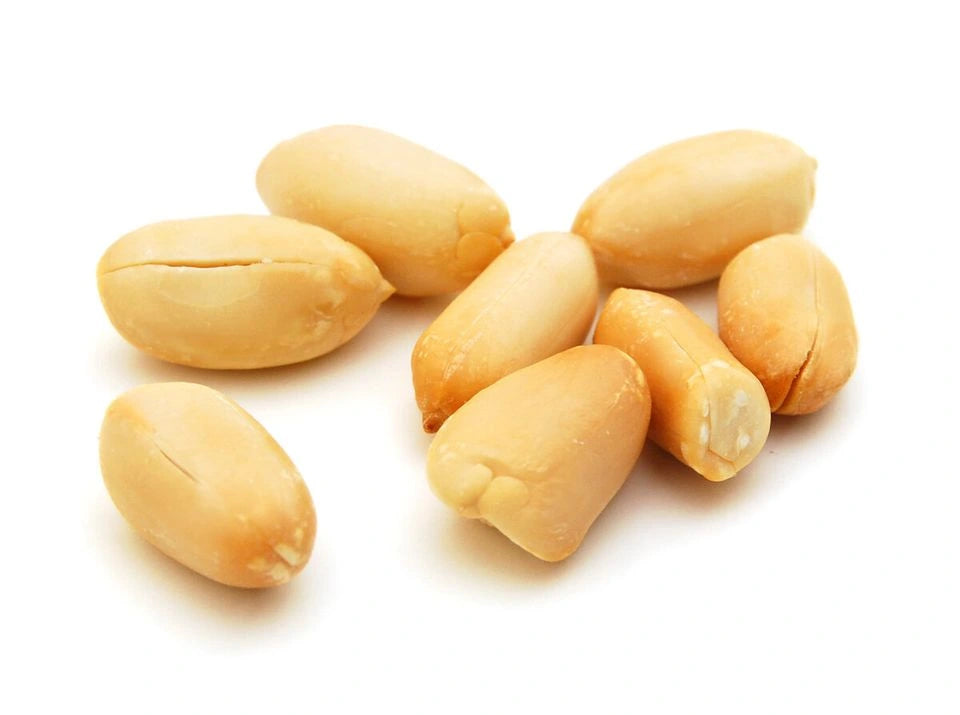
Discover our premium peanuts, selected for their fresh flavour, satisfying crunch, and excellent quality. Whether you prefer roasted, salted, or natural peanuts, they make a delicious snack and a great addition to everyday meals.
Shop PeanutsAre Peanuts Good for Weight Loss and Everyday Snacking?
-
Yes, peanuts can help with weight loss, but only when the serving stays small. One handful — not an open bag — is the target.
-
Protein, fibre and healthy fats slow digestion and keep hunger under control for longer than sweets, crisps or white bread. Their strong plant protein content also helps protect muscle while calories are reduced.
-
Plain roasted peanuts, without sugar coatings or excess salt, work best here. This is another case where peanuts good for you holds up — provided they replace weaker snacks rather than sit on top of them.
Types of Peanuts and How to Choose the Right One?
Are Peanuts Good for Muscle Building and Recovery?
-
Yes, peanuts are a useful addition to muscle-focused diets. They combine energy, plant protein, magnesium and unsaturated fat in one food, with around 25–26g protein per 100g.
-
A normal 30g handful gives closer to 7g protein, so serving size changes everything — a spoonful, a handful and peanut butter don't behave the same way nutritionally.
-
Peanuts pair well with dairy, oats, yoghurt, wholegrain toast or fruit. Their amino acids, including arginine, support normal blood flow, making peanuts a practical, if partial, part of an active diet.
Raw vs Roasted Peanuts: Which Is Healthier?
| Point | Raw Peanuts | Roasted Peanuts |
|---|---|---|
| Nutrition | Useful nutrients in simple form, especially unsalted and portion-controlled. | Main nutrients remain useful, especially dry roasted without sugar or extra oil. |
| Protein | Roughly 25–26g per 100g. | Similar protein value, but depends on added ingredients. |
| Additives | More control if seasoning or roasting yourself. | Plain dry roasted is best; flavoured versions add less value. |
| Salt | Easier to manage sodium intake. | Portion matters more than salt alone for weight gain. |
Are Peanuts Healthier Than Almonds, Cashews and Other Nuts?
-
Not automatically, no. Peanuts aren't healthier than almonds, cashews or walnuts overall, but they're often more practical for everyday snacking thanks to their price, protein and fibre.
-
Almonds are known for vitamin E, walnuts for plant-based omega-3s, and cashews for their softer texture and mineral content. Peanuts, meanwhile, tend to feel more filling for the cost.
-
As with any nut, plain or dry roasted is generally the better daily choice over sweet, salted or flavoured versions.

Explore Our Mixed Nuts Collection
Discover our premium mixed nuts collection, combining a variety of delicious nuts for a balanced blend of flavour, texture, and nutrition. Perfect for healthy snacking, sharing, baking, or adding natural goodness to your daily routine.
Shop Mixed NutsCan You Eat Peanuts Every Day?
-
Yes, peanuts can be eaten daily, as long as the amount stays modest. A small handful of about 25–30g is usually enough, since peanuts are rich and easy to overeat without noticing.
-
Protein sits around 25–26g per 100g, but a normal handful gives closer to 7g — portion always comes before the headline figure. Peanuts also aren't a complete protein, so pairing them with oats, yoghurt, fruit or wholegrain toast still matters for overall balance.
What Is the Healthiest Way to Eat Peanuts?
-
Keep it simple. Plain raw or dry-roasted peanuts are usually better than sweet-coated, heavily salted or oil-laden versions, and a small handful is enough given how calorie-dense peanuts are.
-
They're a genuinely good source of protein alongside fibre, magnesium, niacin and unsaturated fats. Not every essential amino acid is present in an ideal balance, though, so variety in the wider diet still matters.
Find the Best Brand of Nuts for Flavour and Freshness
Are Salted Peanuts Healthy for You?
-
In moderation, yes. Salted peanuts offer the same nutritional profile as unsalted ones: around 161 calories, 7g protein, 14g fat (mostly healthy fats), 4.6g carbohydrates and 2.4g fibre per one-ounce serving, plus useful magnesium, phosphorus and B vitamins.
-
The main concern is sodium, not fat or calories. Too much can contribute to high blood pressure and bloating, so lightly salted varieties, sensible portions of about one ounce, and pairing with low-sodium foods like fresh vegetables help keep things balanced.
-
Unsalted peanuts remain the better everyday choice for anyone watching sodium intake, though salted peanuts can suit athletes who lose sodium through sweat. Either way, they aren't junk food — they still deliver protein, healthy fats and fibre in sensible portions.
Ultimate Guide to Finding the Best Mixed Nuts Online
What Are the Benefits of Peanuts for the Brain?
-
The benefits of peanuts for the brain come mainly from resveratrol, niacin, vitamin E, and polyphenols working together. Resveratrol supports blood flow to the brain, helping oxygen and nutrients reach brain cells.
-
Niacin helps repair DNA and protect brain cells from oxidative stress, while vitamin E shields neurons from damage as an antioxidant. Together, these nutrients may help slow cognitive decline over time.
-
Peanuts also contain polyphenols, linked to mood regulation through neurotransmitters like serotonin and dopamine, plus P-coumaric acid, associated with reduced anxiety via lower oxidative stress. Their steady energy release — from healthy fats, protein and fibre together — can also support alertness through the day. Raw or lightly roasted, unsalted peanuts give the biggest nutritional payoff here.
Celebrate With Crunchy Christmas Chocolate Covered Peanuts Treats
What Are the Benefits of Dark Chocolate Peanuts?
-
Dark chocolate peanuts balance indulgence with real nutrition. Dark chocolate is rich in antioxidants, and combined with the antioxidants already found in peanuts, the pairing becomes genuinely nutrient-dense.
-
Peanuts contribute heart-healthy fats, while dark chocolate offers its own cardiovascular benefits, so this isn't a purely indulgent treat. The natural sugars in dark chocolate paired with peanut protein also help offset a midday energy slump.
-
Dark chocolate's mood-lifting compounds, combined with the satisfying crunch of peanuts, make this a genuinely enjoyable way to snack in moderation.
Explore Our Premium Nuts Collection
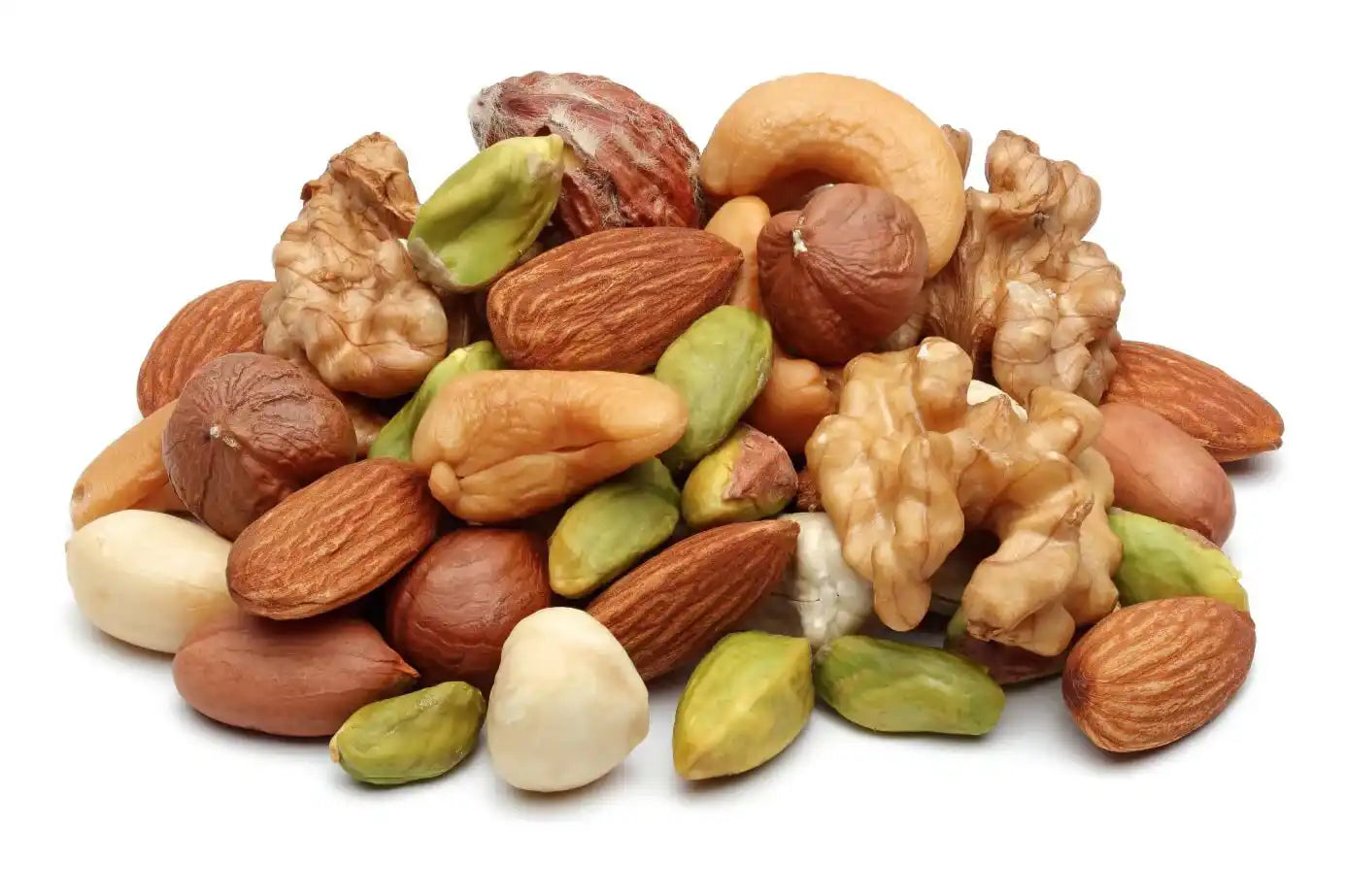
Discover a delicious selection of premium nuts, including almonds, cashews, pecans, walnuts, pistachios, and mixed nut blends. Perfect for snacking, baking, cooking, and adding natural nutrition to your routine.
Shop Premium NutsWho Should Avoid Peanuts?
-
Anyone with a confirmed peanut allergy should avoid them completely. A peanut allergy is an immune reaction, not simply poor digestion, and it can be serious even in small amounts.
-
Peanuts hide in sauces, snack bars, bakery items, cereals and mixed nuts, so "may contain peanuts" labelling matters because of cross-contamination risk. Sunflower seeds, pumpkin seeds, roasted chickpeas, tahini, oat-based snacks or seed butters offer similar crunch for those needing an alternative — though tree nuts like almonds or cashews aren't automatically a safe substitute without proper allergy advice.
How Do You Choose High-Quality Peanuts in the UK?
-
Start by checking freshness. Good peanuts should look clean, even and fresh — not dusty, shrivelled, broken or oily — and a stale smell is always a warning sign.
-
Read the ingredient list next. Simple peanuts, or peanuts with very little added salt, are the best choice, since sugar coatings and heavy flavourings reduce their nutritional value.
-
Plain dry roasted peanuts are usually a better daily option than fried or strongly flavoured versions, and sealed packaging protects freshness far better than loose peanuts left exposed to air.
Order Raw Peanuts Online from Trusted Stores
Where Can You Buy the Best Peanuts Online in the UK?
-
The best place to buy peanuts online is one that lets you choose by purpose, not just flavour. Nutsoasis offers plain, roasted, salted, unsalted and snack-style peanuts, alongside dark chocolate peanuts for a more indulgent option. Plain peanuts suit cooking, sauces and homemade peanut butter, while roasted peanuts give ready-to-eat crunch.
-
Whatever you choose, always check the label for added oil, sugar, honey or excess salt before buying.
Conclusion
So, are peanuts good for you? For most people, yes — peanuts good for you is a fair claim as long as the portion stays sensible and the peanuts aren't loaded with sugar or salt. Whether you're weighing up salted peanuts, curious about the benefits of peanuts for the brain, or treating yourself to dark chocolate peanuts, the rule stays the same: choose plain or lightly seasoned varieties, watch the portion, and buy from a source you trust. Browse the full range at Nutsoasis and find the peanuts that actually match how you eat.
FAQS
Are peanuts a good source of healthy fats?
Yes, as long as you choose plain varieties. Peanuts contain mainly unsaturated fats, which fit better into everyday eating than snacks high in poorer fats — portion size is the main thing to watch.
Do peanuts count as a complete protein?
Not quite. Peanuts contain many amino acids, including arginine, but not every essential amino acid is present in an ideal balance, so variety elsewhere in the diet still matters.
Is it safe to give peanuts to children daily?
For children without a peanut allergy, small, age-appropriate portions can fit into a balanced diet, though whole peanuts are a choking risk for very young children and are best finely ground before serving.
Are Salted Peanuts Fattening?
Not inherently. The calorie and fat content is identical to unsalted peanuts, and the fat is mostly the heart-healthy kind. Weight gain depends on total portion size, not the salt itself.
Which is better for weight management, salted or unsalted peanuts?
Unsalted peanuts are generally the better everyday pick for weight and blood pressure management, since added salt has no direct link to fat but can encourage overeating.