Are peanuts good for you? nutrition benefits and portions
Are peanuts good for you? For most people, yes, but only when the portion makes sense, and the peanuts are not covered in sugar or too much salt. In real life, this usually means a small handful, not eating straight from the bag without noticing. Peanuts are filling because they bring together plant-based protein, fibre, magnesium, and natural fats that slow hunger for a while. That makes them useful as a work snack, after a walk, or when you want something better than biscuits, crisps, or a sweet bar.
What Are Peanuts and Are They Actually Nuts?
-
Despite its common name, a peanut is not a true tree nut. It is a legume, closer botanically to beans, peas, and lentils, because the edible seeds develop inside pods underground. This matters for nutrition and allergy labelling: peanuts share culinary uses with nuts, but come from another plant family.
-
Nutritionally, peanuts behave more like nuts than ordinary legumes: they are dense in energy, rich in plant protein, and provide fibre, magnesium, vitamin E, and mostly unsaturated fats. That is why peanuts good for you depends on quality, freshness, and portion size, making unsalted choices from Nutsoasis practical for snacking.
Discover The Benefits of Dark Chocolate Peanuts
Peanut Nutrition Facts: Calories, Protein, and Essential Nutrients:
| Nutritional Point | What It Means for Peanuts |
|---|---|
| Portion size | Peanut nutrition facts make more sense when the portion is realistic. For most people, that means about 30g, or one small handful, not a deep bowl beside the laptop. |
| Calories | About 170-180 kcal per 30g, close to 9% of a 2,000-calorie day. It is enough for a snack, but easy to overdo if the bag stays open. |
| Protein | Around 7-8g per 30g, roughly 14-16% of a 50g daily target. This is one reason peanuts tend to keep you fuller than biscuits or sweets. |
| Fat | Usually 14-15g per 30g, with most coming from unsaturated fats. The fat is not the problem by itself; the amount and toppings change the picture. |
| Fibre | About 2-3g per 30g, around 7-10% of the 30g daily fibre goal in the UK. That small boost helps the snack feel more substantial. |
| Minerals | A handful can give about 45-55mg magnesium, 190-210mg potassium, and 1-1.5mg iron, useful for muscles, energy release, and general wellbeing. |
| Best pick | Plain, dry roasted, or lightly salted peanuts are usually the better everyday choice. Honey-roasted, chocolate-coated, or very salty packs turn the same food into a less balanced snack. |
Are Peanuts Good for Heart Health, Cholesterol, and Blood Sugar?
-
Yes, peanuts can support heart-friendly eating when they are plain, fresh, and eaten in a small measured portion. They contain mostly unsaturated fats, which are usually a better choice than foods high in saturated fat.
-
One of the real Health Benefits of Peanuts is that they bring several useful nutrients together in one snack, including fibre, magnesium, vitamin E, niacin, folate, and plant compounds.
-
For cholesterol, peanuts have a clear advantage because they contain no dietary cholesterol. They can also be a better swap for biscuits, crisps, pastries, or sweet snacks.
-
For blood sugar, peanuts are naturally low in sugar. Their mix of protein, fibre, and fat digests more slowly, so they may feel steadier than a sugary snack.
-
The idea that peanuts good for you works best when the portion stays sensible. Peanuts are filling, but they are still calorie-dense.
-
Is groundnut good for weight loss? It can be when a small serving replaces weaker snacks.
-
Can diabetics eat groundnuts? Often yes, but personal medical advice still matters, especially with salted or flavoured packs.
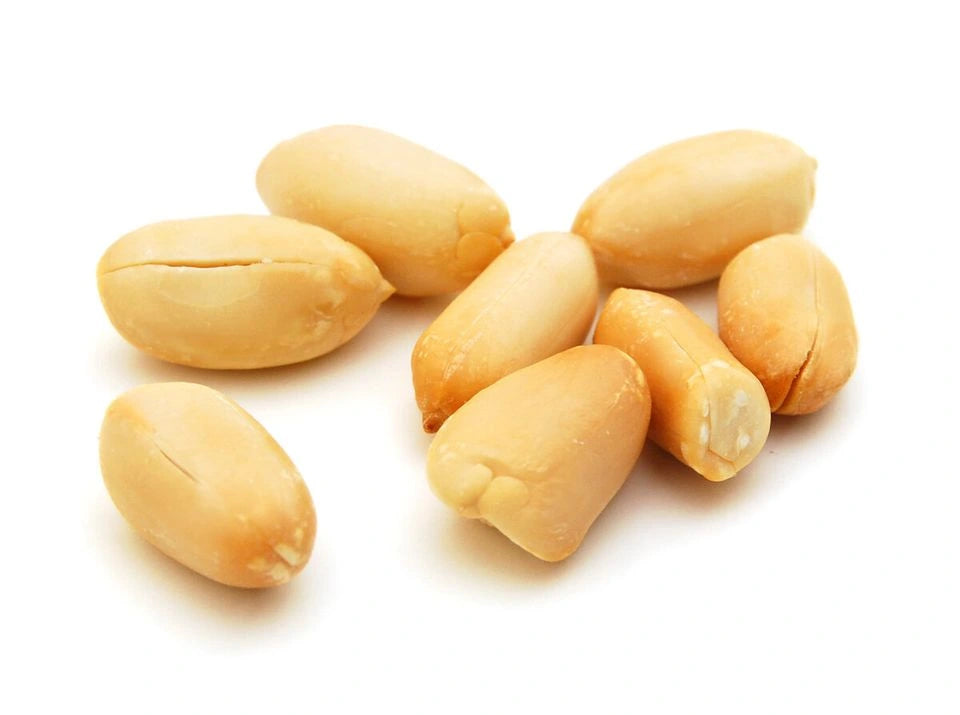
Explore Our Peanuts Collection
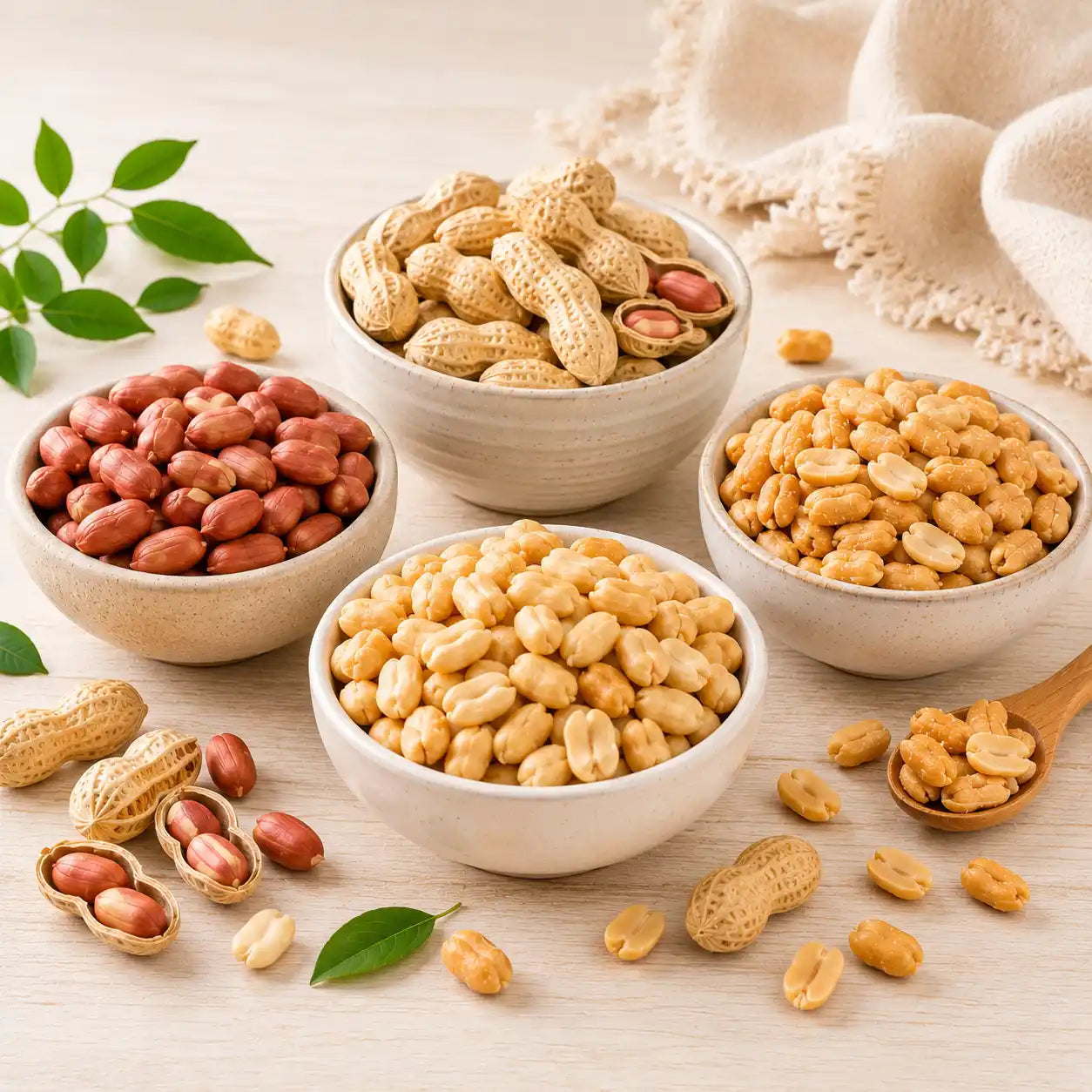
Discover our premium peanut collection, featuring delicious options for snacking, cooking, and baking. From roasted peanuts to natural varieties, enjoy great taste, satisfying crunch, and everyday value in every bite.
Shop PeanutsAre Peanuts Good for Weight Loss and Everyday Healthy Snacking?
-
Yes, peanuts can help with weight loss when the serving is small. A practical portion is about one handful, not an open bag beside you.
-
Peanuts contain protein, fibre, and healthy fats. These three nutrients slow digestion and keep hunger under control for longer than sweets, crisps, or white bread.
-
The phrase peanut is protein fits because peanuts provide a strong amount of plant protein, which helps protect muscle while calories are reduced.
-
Are peanuts good for fat loss? The direct answer is yes, if they replace high-sugar snacks and do not push daily calories too high.
-
Are roasted peanuts good for health? Plain roasted peanuts are a good choice when they are not coated with sugar or excess salt.
Are Salted Peanuts Healthy for you?
Peanuts for Muscle Building - Protein Content and Recovery Benefits:
-
Peanuts are useful for muscle-focused diets because they combine energy, plant protein, magnesium and unsaturated fat in one food. Training breaks muscle fibres; recovery needs enough total protein across the day, not only one post-workout meal.
-
Peanut protein per 100g is about 25–26g, so peanuts are high-protein for a snack food. A normal 30g handful gives roughly 7g protein, which can help top up meals without using a supplement.
-
Peanut how much protein matters because serving size changes everything. One spoon of peanuts is not the same as a handful, and peanut butter can add calories quickly.
-
Peanuts and protein work best with dairy, oats, yoghurt, wholegrain toast or fruit, because pairing foods improves the overall meal balance.
-
Their amino acids support repair, while arginine also supports normal blood flow during active routines. Peanuts are not a complete muscle-building plan, but they are practical.
Raw vs Roasted Peanuts: Which Is Healthier and More Nutritious?
| Point | Raw Peanuts | Roasted Peanuts |
|---|---|---|
| Nutrition value | Raw peanuts still offer useful nutrients in a simple form, especially when they are unsalted and eaten in a controlled portion. | The main nutrients remain useful after roasting, especially when the peanuts are dry roasted and not coated with sugar or extra oil. |
| Protein content | Protein in peanuts per 100g is roughly 25-26g, which explains why peanuts can feel filling and work well in simple gym snacks, breakfast bowls, and higher-protein diets. | Roasted peanuts can offer similar protein value, but the final health value depends on the added ingredients and portion size. |
| Peanut butter note | Peanut butter protein per 100g can also be strong, but the better jar is mostly peanuts rather than sugar, palm oil, and too much salt. | Roasted peanut butter can taste richer, but the ingredients list matters more than the front label. |
| Flavour and additives | Raw peanuts give more control if you want to season, roast, or blend them yourself. | Plain roasted peanuts answer are roasted peanuts good for you better than flavoured versions, because the health difference usually comes from what is added after roasting. |
| Salt and weight control | Raw or unsalted options are easier to manage for everyday use because they do not push sodium intake higher. | Are salted peanuts fattening depends on the portion. Salt can make people eat more, but weight gain comes from repeated excess calories, not salt alone. |
Are Peanuts Healthier Than Almonds, Cashews, and Other Nuts?
| Comparison Point | Peanuts | Almonds, Cashews, Walnuts, and Other Nuts |
|---|---|---|
| Overall health value | Peanuts are not automatically healthier than almonds, cashews, or walnuts, but they are often practical for everyday snacking because they combine good price, useful protein, fibre, and unsaturated fats. | Other nuts have their own strengths. Almonds are known for vitamin E, walnuts provide plant-based omega-3 fats, and cashews have a softer texture with useful minerals. |
| Protein and fullness | Peanuts are one of the stronger plant-protein snack choices. Around 100g gives about 25g protein, so a small handful can add value to breakfast, work snacks, or post-gym food. | Many nuts still provide protein, but the amount and texture differ. Some may be better for specific recipes, while peanuts often feel more filling for the price. |
| Weight control | Peanuts can support fat-loss plans when portions are controlled and they replace chocolate, biscuits, or crisps. They help appetite control, but they do not burn fat by themselves. | Other nuts can also fit weight-control diets, but all nuts are calorie-dense, so serving size matters more than choosing one nut as the "healthiest". |
| Roasted options | Plain or dry roasted peanuts can still be a healthy choice. The issue is usually added sugar, heavy salt, oil coatings, or eating from a large bag without measuring. | Roasted almonds, cashews, or mixed nuts follow the same rule: plain is usually better for daily use, while sweet, salted, or flavoured versions are more occasional. |
Can You Eat Peanuts Every Day? Recommended Portions and Safety Tips:
-
Yes, peanuts can be eaten daily, as long as the amount stays modest. A small handful, about 25–30g, is usually enough for a snack because peanuts are rich, filling, and easy to overeat without noticing.
-
The figure for peanut protein per 100g is useful, but it should not be read like a serving size. Peanuts give roughly 25–26g protein per 100g, while a normal handful gives closer to 7g.
-
Anyone checking peanut how much protein should look at the portion first. A spoonful, a handful, and a large bowl do not give the same nutrition or the same calories.
-
The link between peanut and protein is helpful for snacking, especially with oats, yoghurt, fruit, or wholegrain toast. That mix gives better balance than eating peanuts alone.
-
Protein in peanuts per 100g is strong for a plant food, but peanuts are not a complete protein, so meals still need variety.
-
Peanut butter protein per 100g can be useful too, provided the jar is mostly peanuts, not sugar, palm oil, or heavy salt.
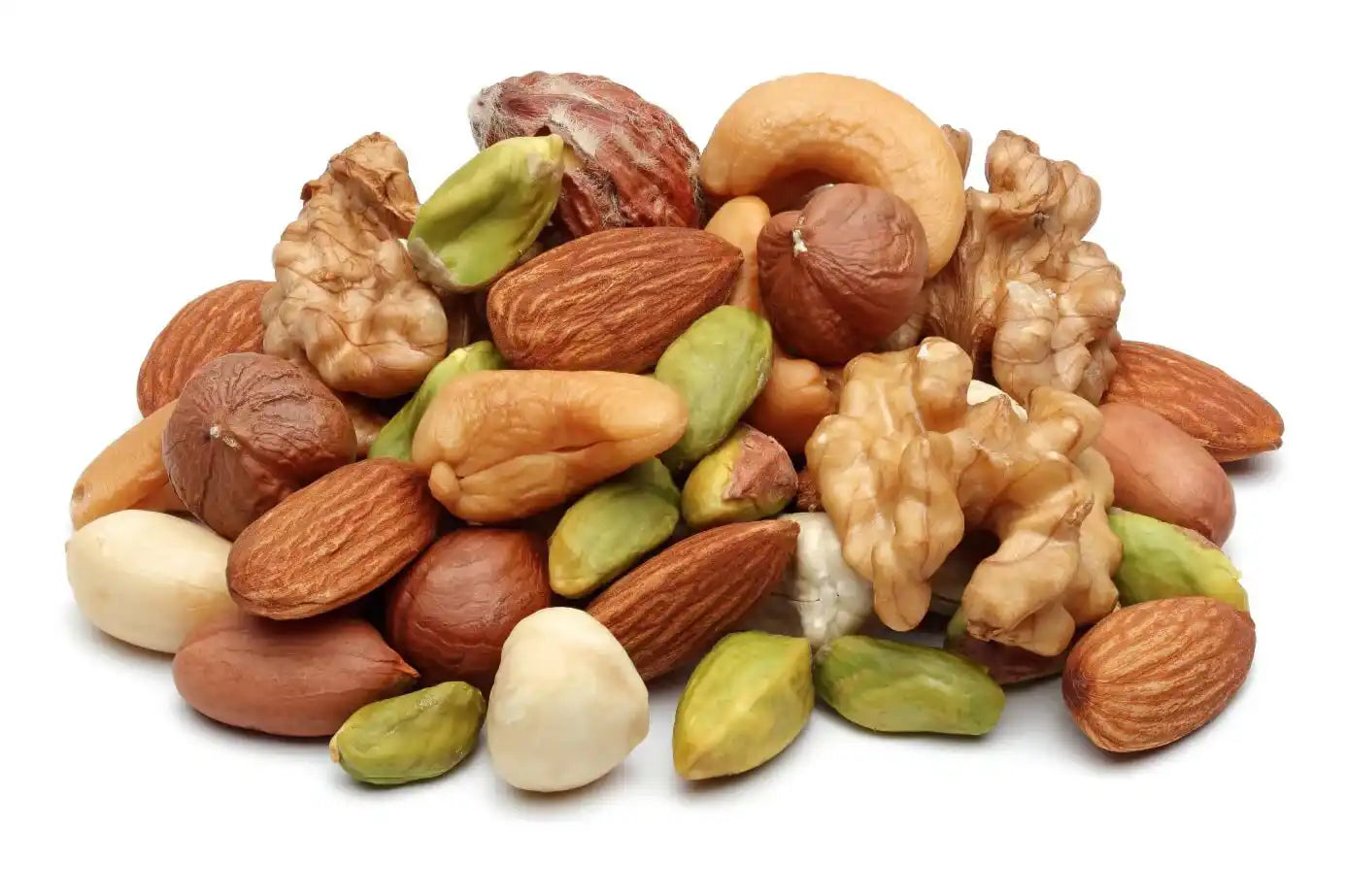
Explore Our Premium Nuts Collection
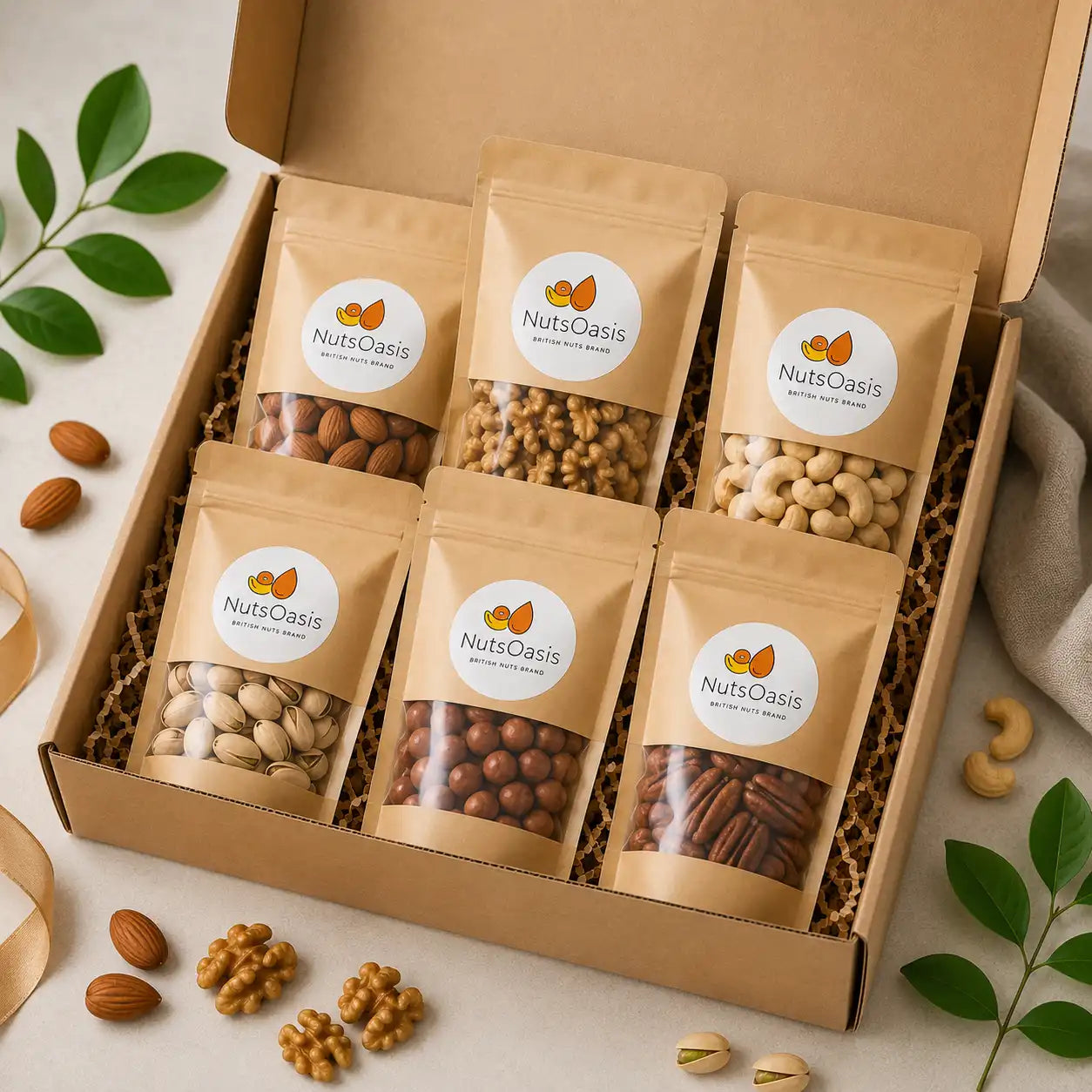
Discover a delicious selection of premium nuts, including almonds, cashews, pecans, walnuts, pistachios, and mixed nut blends. Perfect for healthy snacking, baking, cooking, and adding natural nutrition to your everyday routine.
Shop Premium NutsWhat Is the Healthiest Way to Eat Peanuts?
-
The healthiest way to eat peanuts is to keep them simple. Plain raw peanuts or dry-roasted peanuts are usually better than sweet-coated, strongly salted, or oil-heavy versions. A small handful is enough, because peanuts are rich in nutrients and calories at the same time.
-
The value of how much protein in peanuts becomes clearer when the portion is realistic. Per 100g, peanuts give around 25–26g protein, but an everyday handful gives nearer to 7g, which is useful for a snack.
-
Are peanuts a good source of protein fits ordinary eating because they also provide fibre, magnesium, niacin, and unsaturated fats. That makes them more filling than crisps or sugary snacks.
-
Are peanuts a complete protein needs a careful answer. Peanuts contain many amino acids, but not every essential amino acid is present in the ideal balance, so variety still matters.
-
Amino acids in peanuts, especially arginine, add nutritional value, but peanuts work best beside oats, yoghurt, fruit, or wholegrain bread.
7 Incredible Benefits of Peanuts for the Brain
Is Peanut Butter Healthy? Choosing the Best Peanut-Based Products:
-
Yes, peanut butter can be healthy when the jar is mostly peanuts. The problem is not peanut butter itself; it is usually added sugar, palm oil, excess salt, and oversized spoonfuls.
-
Use whole peanuts as the reference point. Peanut protein per 100g is about 25–26g, while peanut butter protein per 100g is often close, depending on how much peanut is actually in the jar.
-
Peanut how much protein should always be linked to serving size. One tablespoon gives a modest amount, but two tablespoons add protein, fat, and calories quickly.
-
The link between peanut and protein is useful for breakfast or snacks, especially with oats, apple slices, banana, yoghurt, or wholegrain toast. This pairing slows digestion and makes the meal less sugary.
-
Protein in peanuts per 100g is strong, but peanut butter should not replace varied protein foods. The better choice is a simple spread with peanuts first on the label and no unnecessary sweetening for everyday balanced eating.
Types of Peanuts and How to Choose the Right One?
Peanut Allergies and the Best Peanut Alternatives:
-
Peanut allergy is different from simply not digesting peanuts well. It is an immune reaction and can be serious, even with a small amount. Anyone with a confirmed allergy should avoid peanuts completely, including hidden peanut ingredients.
-
The idea of peanuts good for you does not apply to people with peanut allergy. For them, safety comes before protein, healthy fats, flavour, or snack value.
-
Food labels matter because peanuts may appear in sauces, snack bars, bakery items, cereals, protein products, and mixed nuts. "May contain peanuts" warnings are also important because of cross-contamination during production.
-
The best peanut alternatives depend on the person's allergy history. Sunflower seeds, pumpkin seeds, roasted chickpeas, tahini, oat-based snacks, or seed butters can give crunch, minerals, and useful fats.
-
Tree nuts like almonds or cashews differ from peanuts, but they aren't automatically safe for everyone. Allergy advice is needed before using them as substitutes.
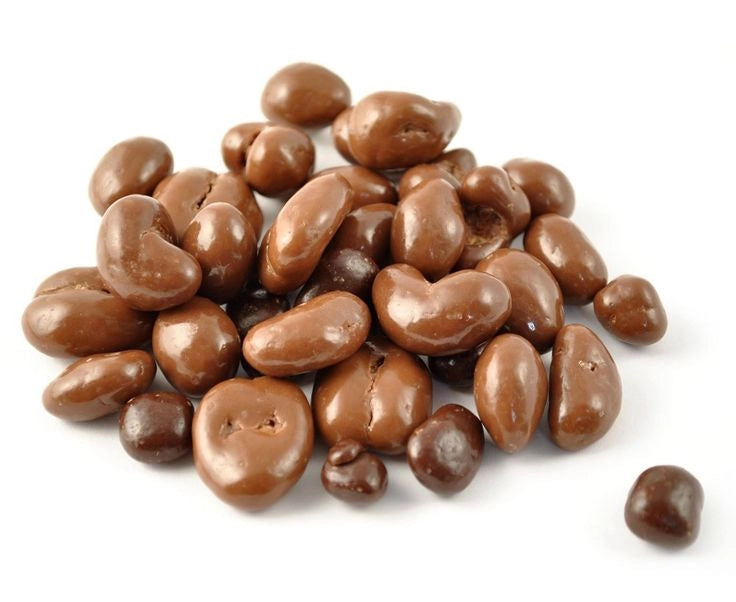
Explore Our Chocolate Collection
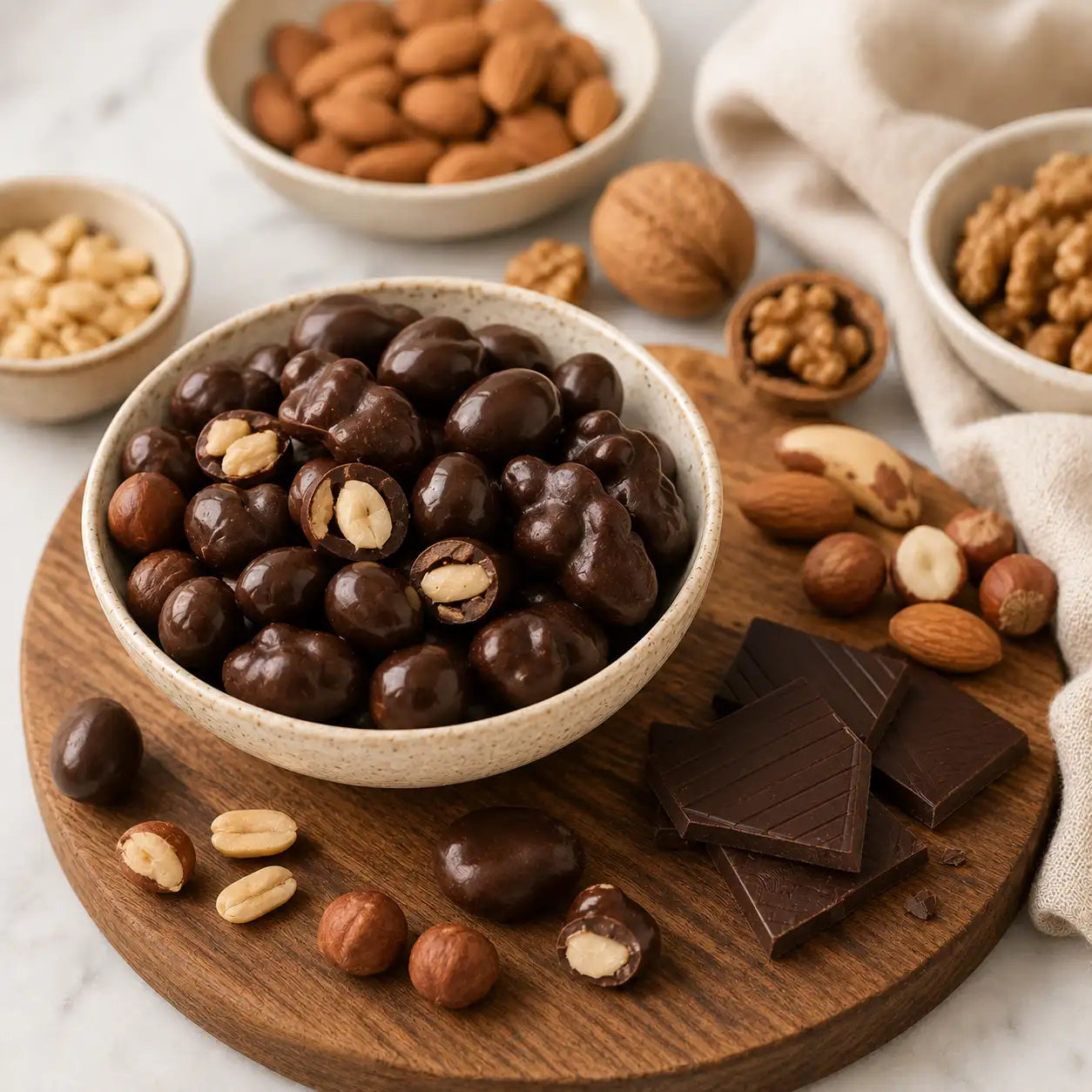
Indulge in our delicious chocolate collection, featuring premium chocolate-coated nuts and sweet treats crafted for every occasion. Perfect for gifting, sharing, entertaining, or enjoying a satisfying moment of indulgence.
Shop Chocolate TreatsHow to Choose High-Quality Peanuts When Shopping in the UK?
-
Start with the first check: do the peanuts look clean, even, and fresh? Good peanuts should not look dusty, shrivelled, broken, or oily on the outside. A stale smell is a warning sign, because peanuts naturally contain oils that can turn rancid with poor storage.
-
Next, read the ingredient list. The best choice is simple peanuts, or peanuts with very little added salt. Sugar coatings, heavy flavourings, and extra oils make the snack less useful, even if the peanuts themselves are nutritious.
-
Then look at the roasting style. Plain dry roasted peanuts are often a better daily option than fried or strongly flavoured ones, because they give crunch without unnecessary additions.
-
Packaging also matters. A sealed pack protects flavour, texture, and freshness better than loose peanuts exposed to air for too long.
Peanuts Near Me Raw Roasted and Unsalted UK Options
Where to Buy the Best Peanuts in the UK Online?
-
The best place to buy peanuts online is the site that lets you choose by use, not just by flavour. A pack for peanut butter is not the same as a pack for movie snacks.
-
Nutsoasis is a good choice because it gives shoppers more room to pick between plain, roasted, salted, unsalted, and snack-style peanuts.
-
If you cook often, plain peanuts are usually easier to work with. You can roast them yourself, season them lightly, or blend them into sauces without extra salt getting in the way.
-
For snacking, roasted peanuts make more sense because they already have the crunch and deeper flavour most people want straight from the pack.
-
The label still matters. Check whether the peanuts include added oil, sugar, honey, salt, or flavouring before buying.
Order Raw Peanuts Online from Trusted Stores
Conclusion
Do not treat peanuts as just another snack bag. The right choice can make your food cleaner, tastier, and far more useful in everyday meals. Raw peanuts give you control for cooking, sauces, baking, and homemade peanut butter, while roasted peanuts are the better pick when you want crunch, flavour, and ready-to-eat convenience. The real secret is choosing by purpose, checking the ingredients, and avoiding packs loaded with unnecessary salt, sugar, or coatings. For fresher choices, better variety, and peanuts that actually match how you eat, make your next order from Nutsoasis and upgrade your snack cupboard with confidence.
FAQS
Are peanuts a good source of healthy fats?
They are, as long as you choose the right kind. Plain peanuts contain mainly unsaturated fats, which fit better into everyday eating than snacks high in poorer fats. The only catch is the portion. A small handful is useful; a large bowl can turn into too many calories without feeling like much.
Are peanuts good for losing weight?
Peanuts can work in a weight-loss plan, but they need a measured serving. They are not a "diet food" in the low-calorie sense. What makes them helpful is that a small amount can feel filling, especially when it replaces biscuits, crisps, or chocolate between meals.
Why are peanuts good for you?
Peanuts give more food value than many quick snacks. You get plant protein, fibre, magnesium, folate, niacin, vitamin E, and natural fats in one simple food.
Are peanuts a good source of protein?
Yes, peanuts are a decent plant-based protein snack. Around 100g gives roughly 25g of protein, while a small 30g handful gives about 7–8g. That makes them useful for work, travel, or any time you want a snack that does more than just taste crunchy.